Common Adreppus - Adreppus fallax
Family Acrididae
This page contains pictures and information about the Common Adreppus Grasshoppers that we found in the Brisbane area, Queensland, Australia. Common Adreppus is also known as Stem Grasshoppers.
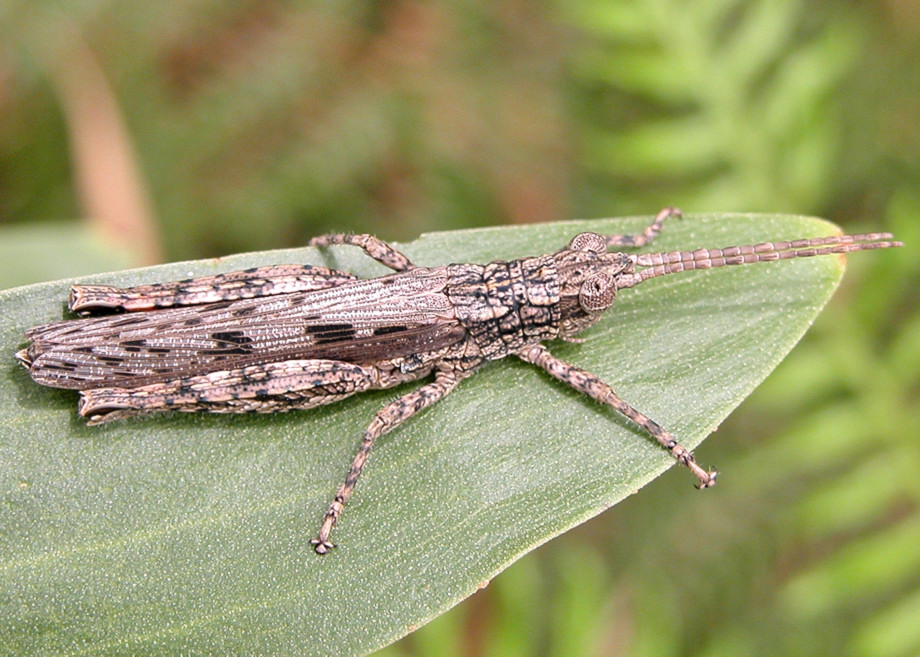
- Body length 50mm
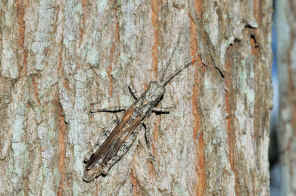
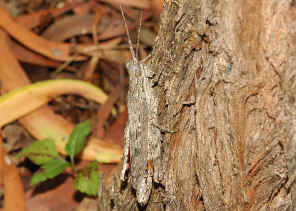
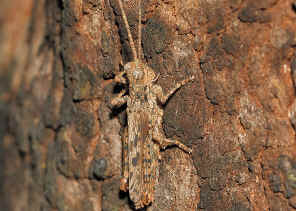
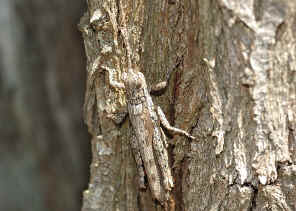
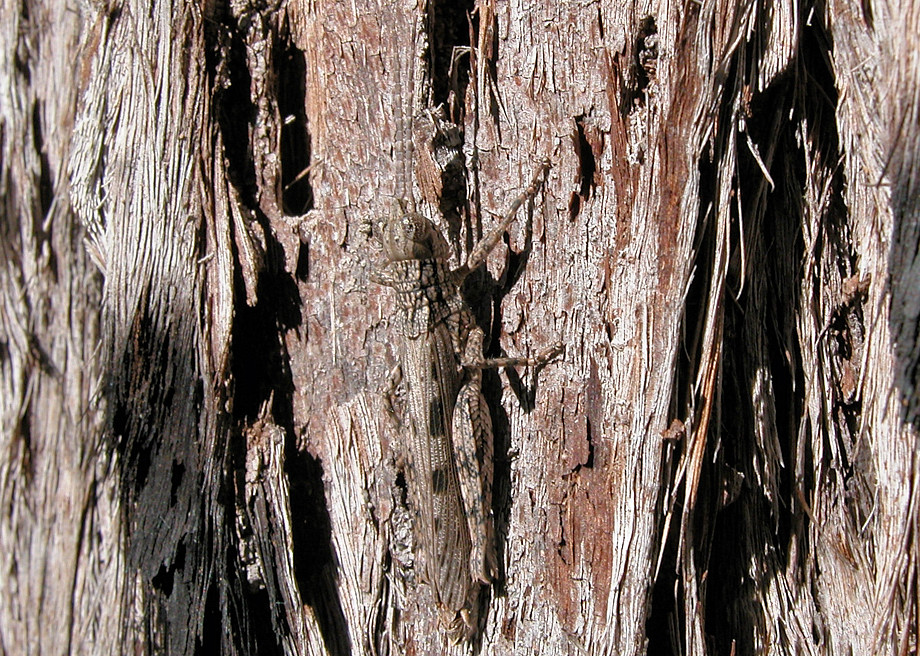
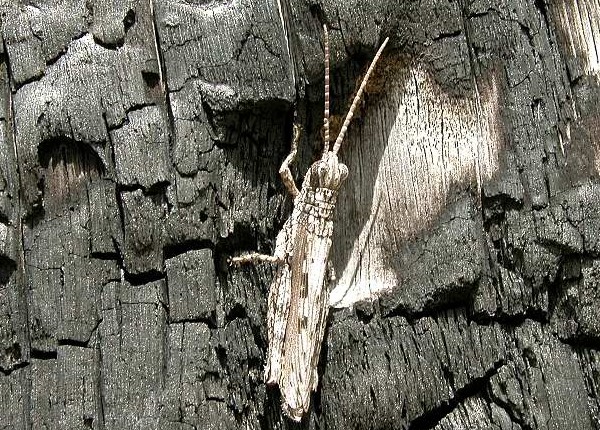
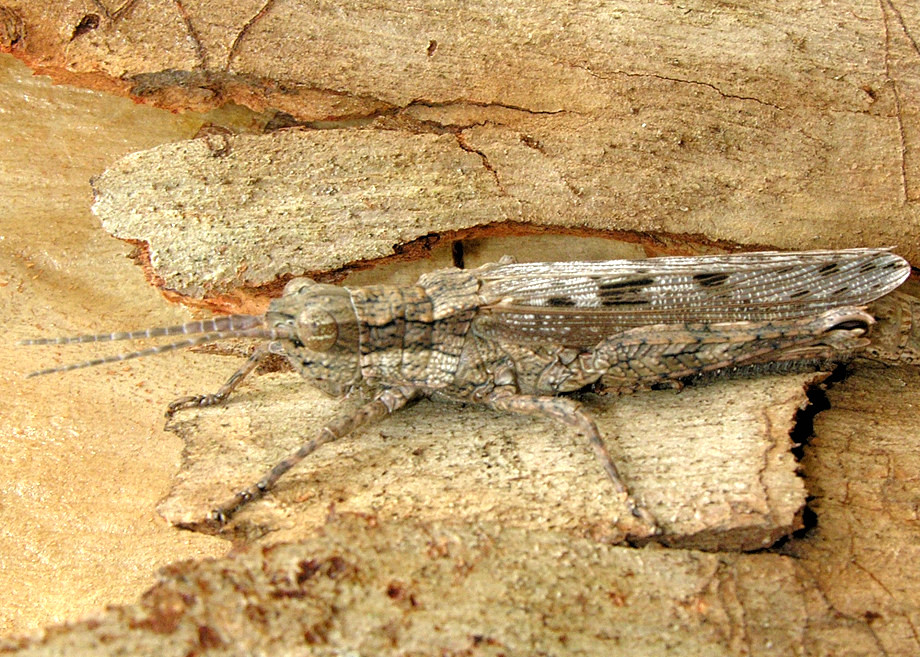
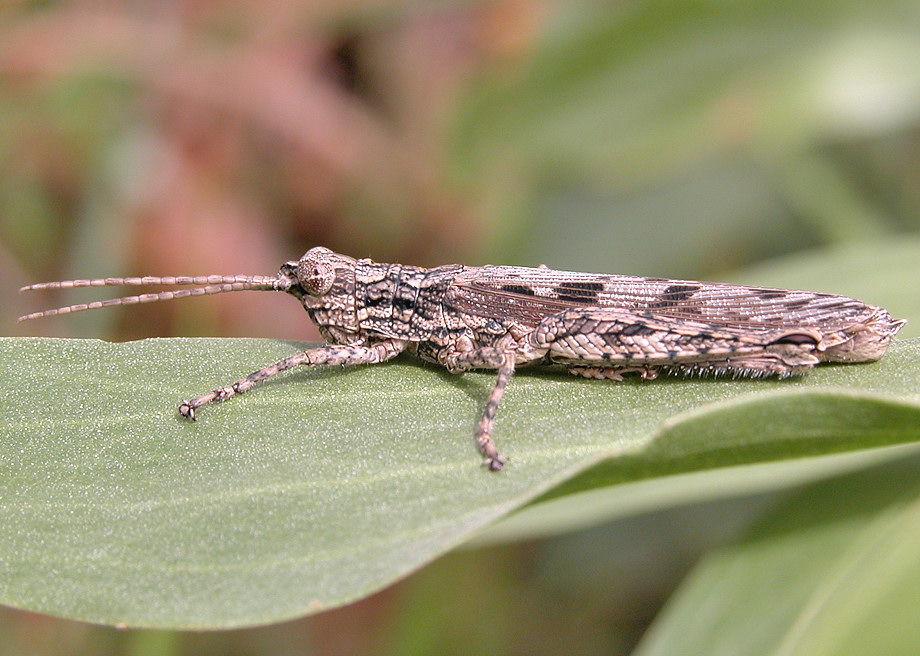
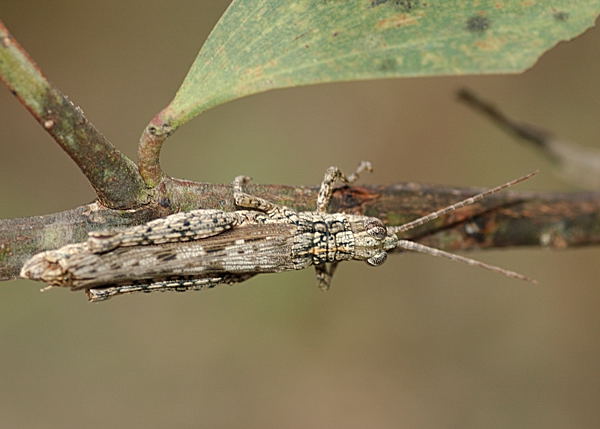
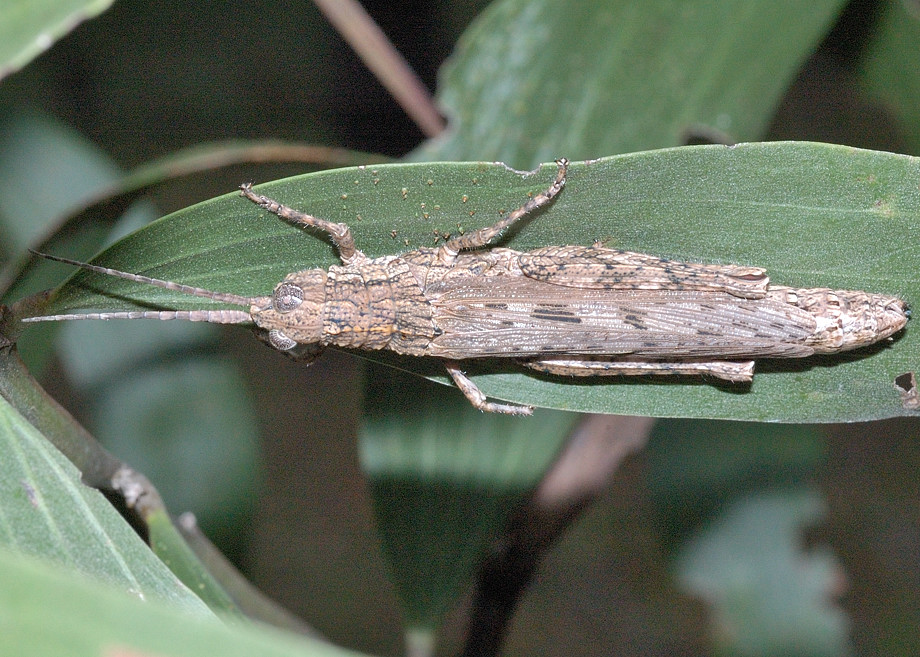
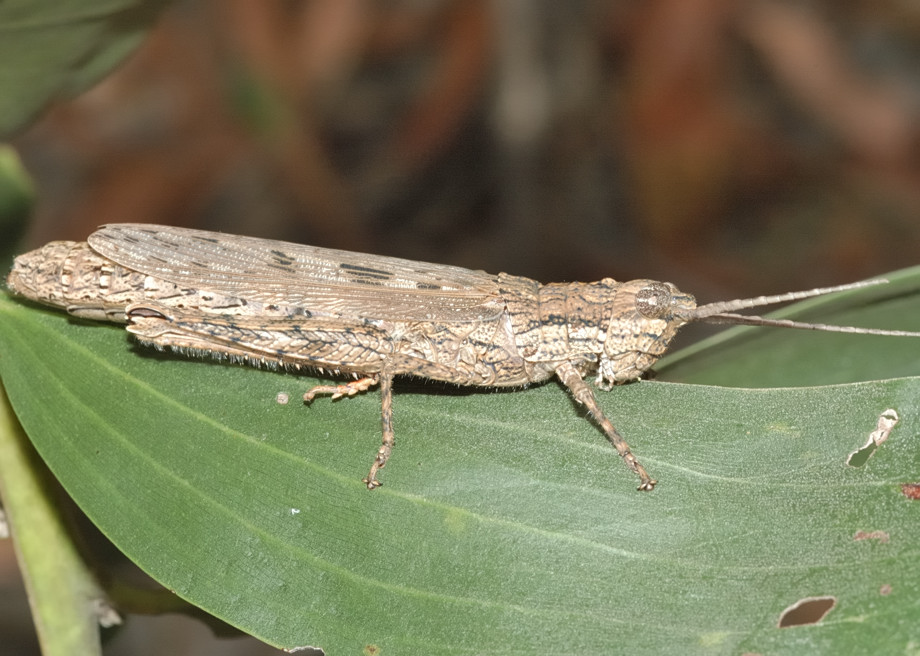
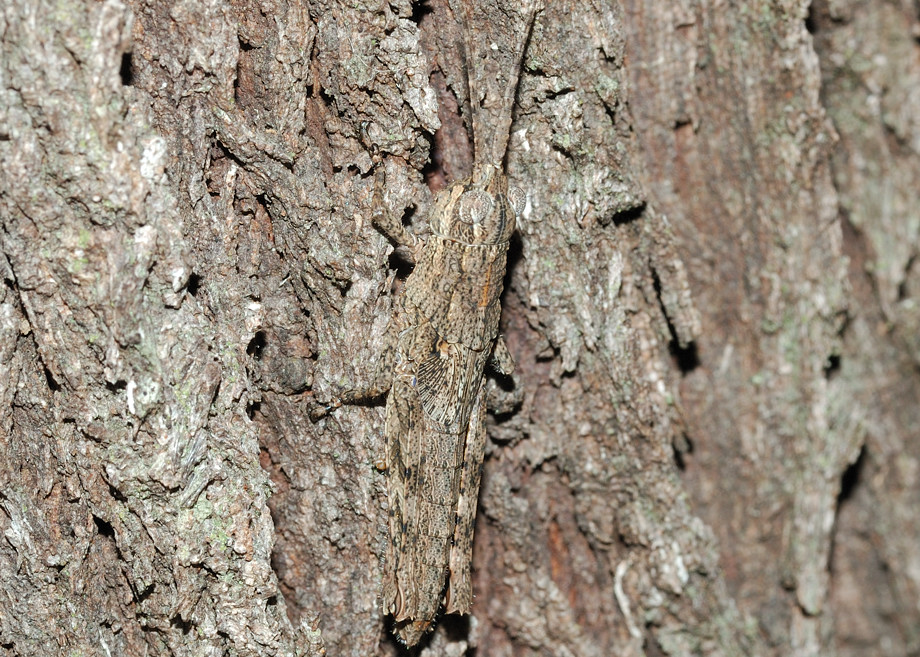
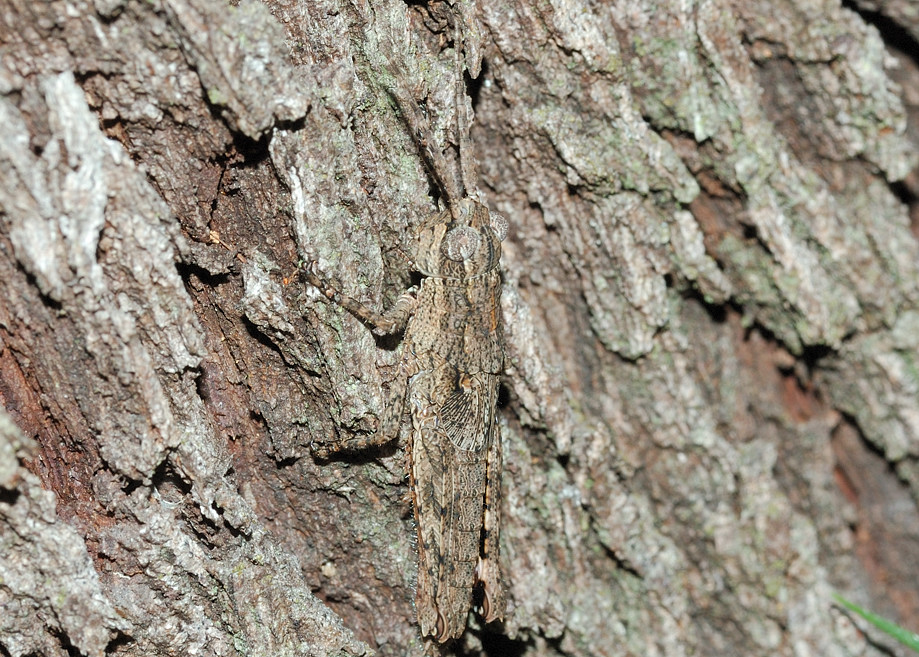
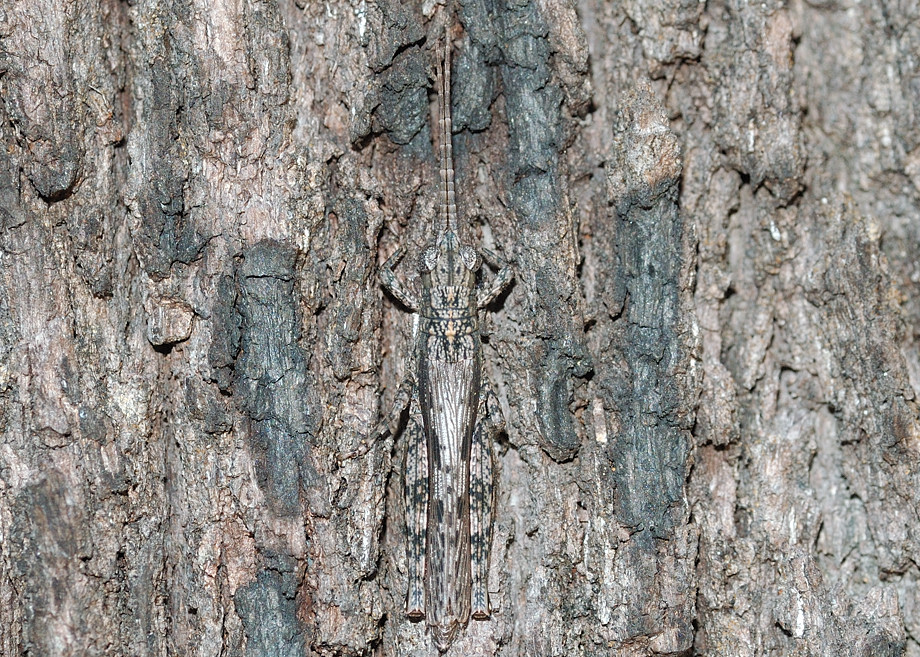
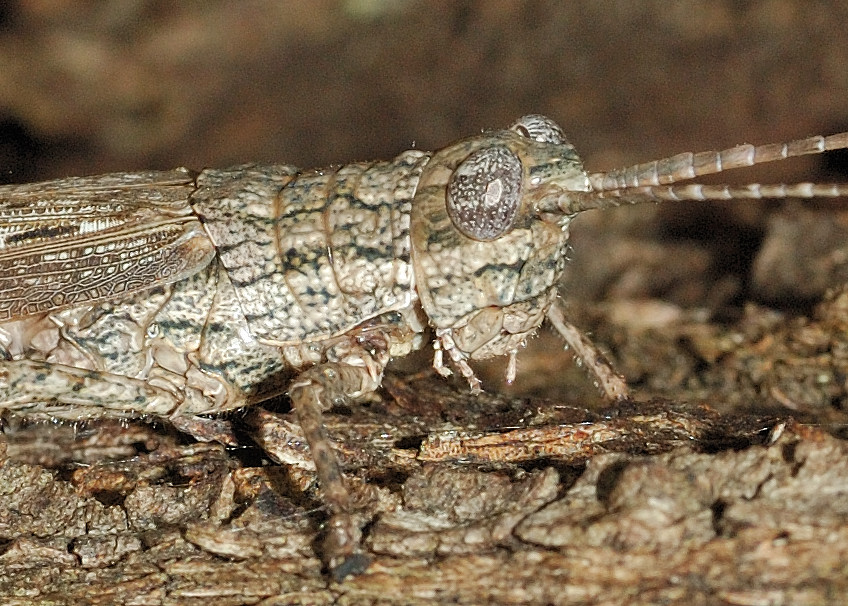
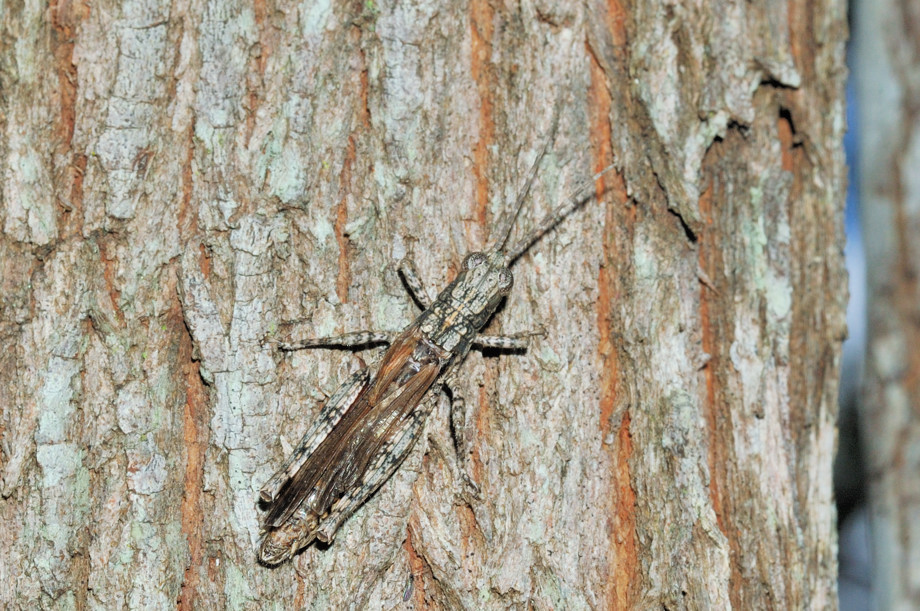
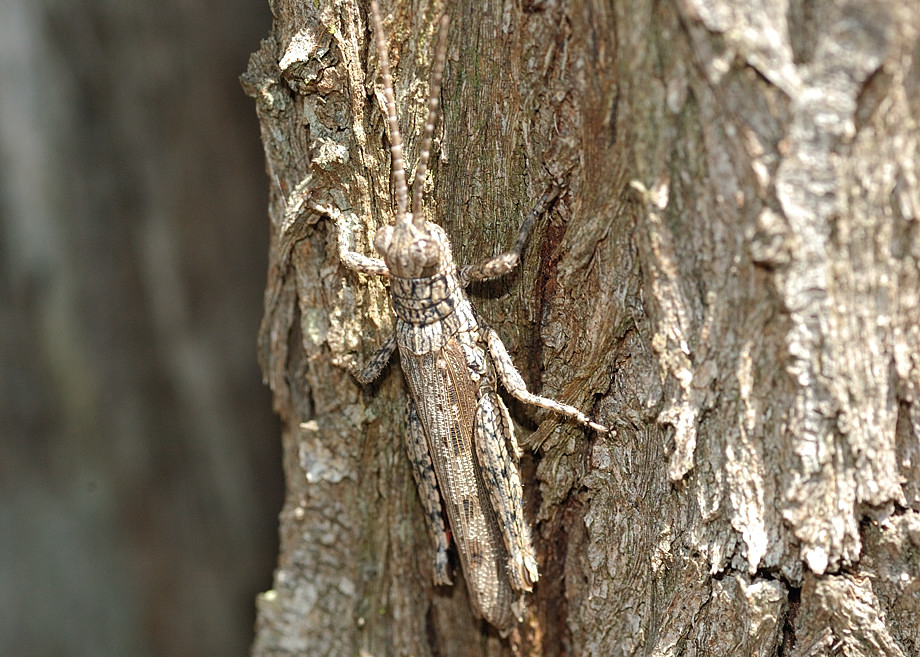
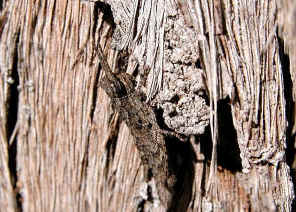
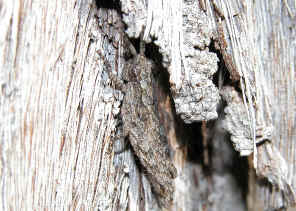
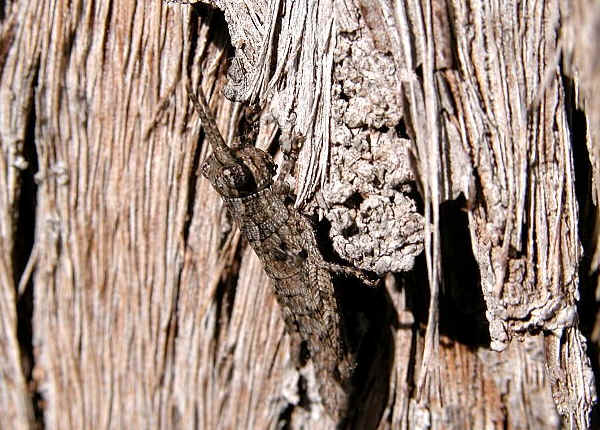
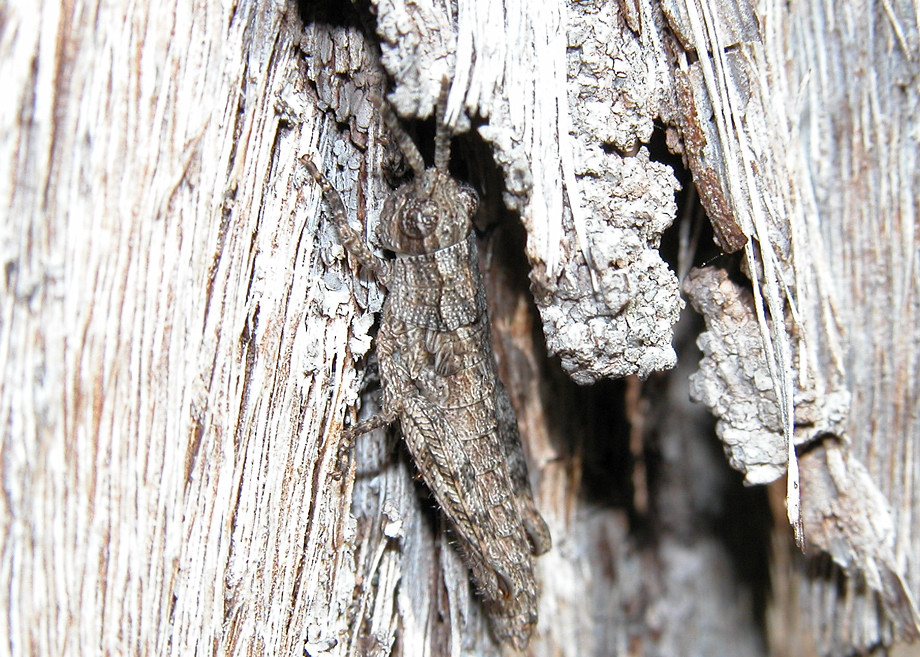
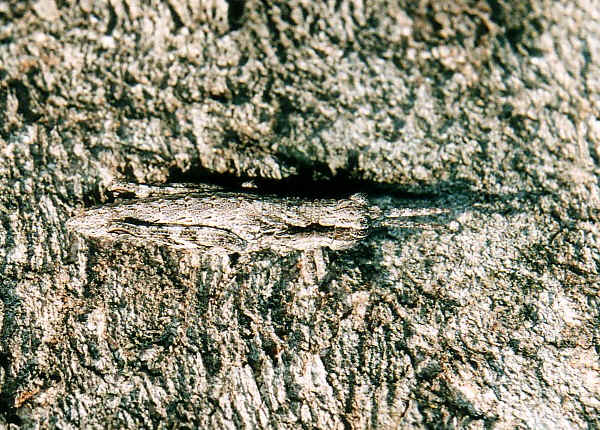
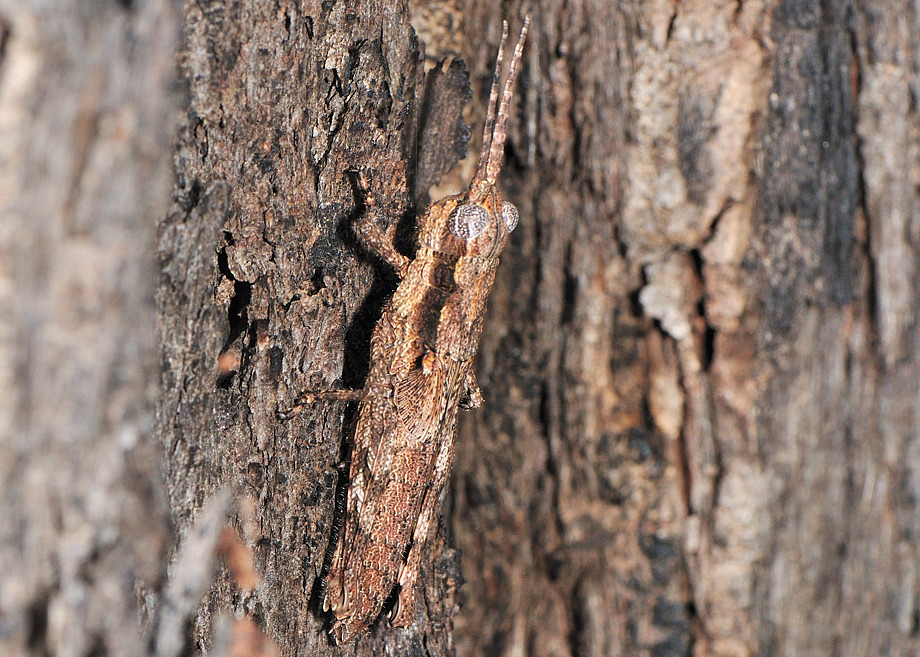
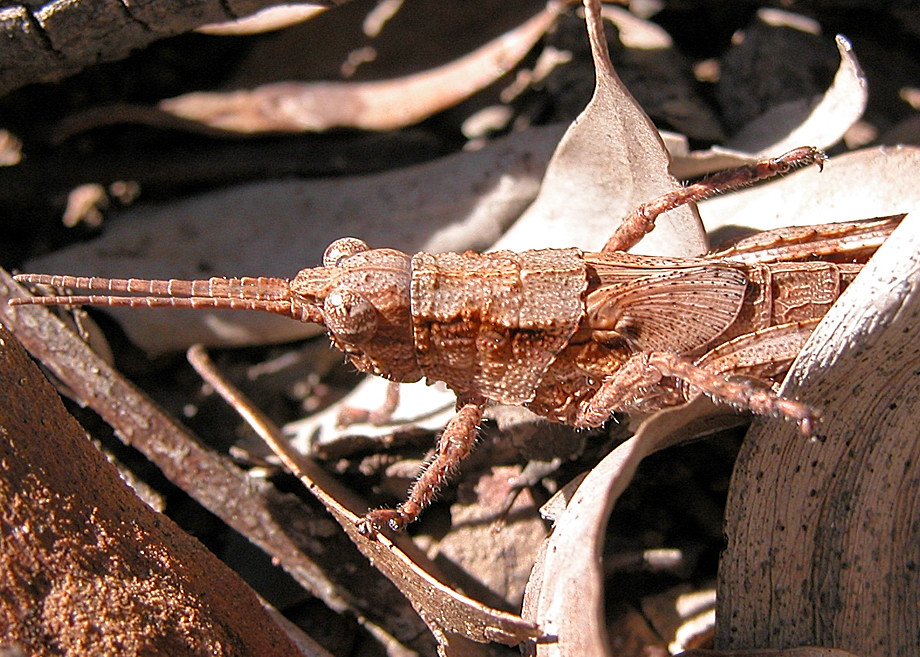
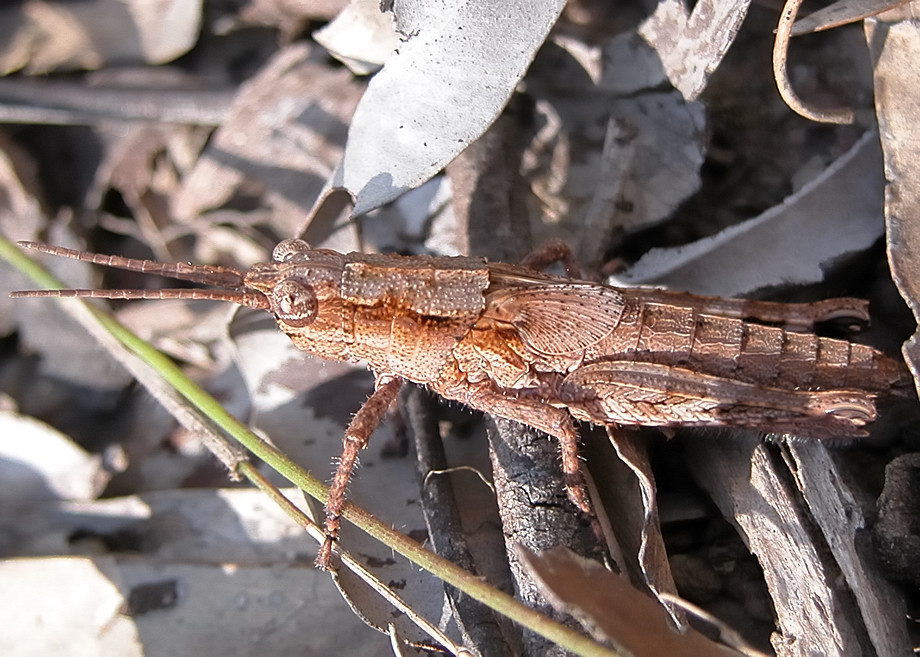
- Common Adreppus Grasshoppers are common in Brisbane bushlands. However, because of their camouflaged colours, they are hardly to be seen when they rest on tree trunks. They do not move until we come very close, then they hide at the other side of the tree trunk. The grasshoppers have relatively long antennae, about half of their body length.
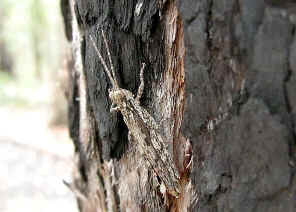
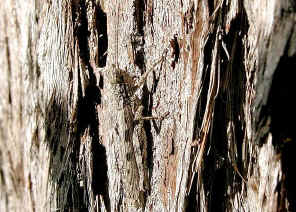
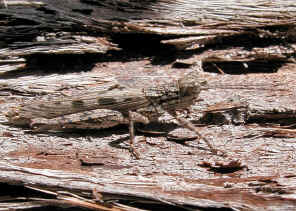
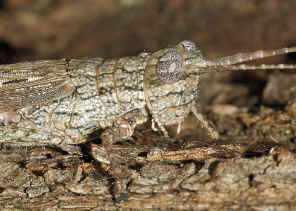
- Their large compound eyes suggested they are active at night. They feed on green leaves during the night.
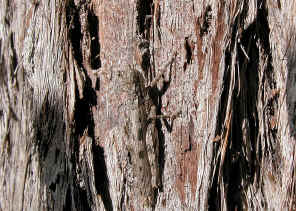
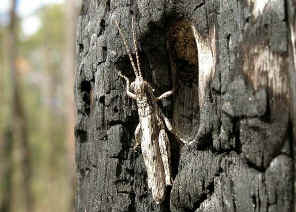

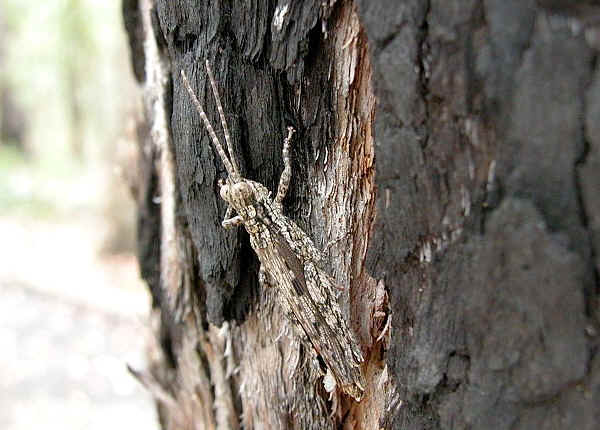
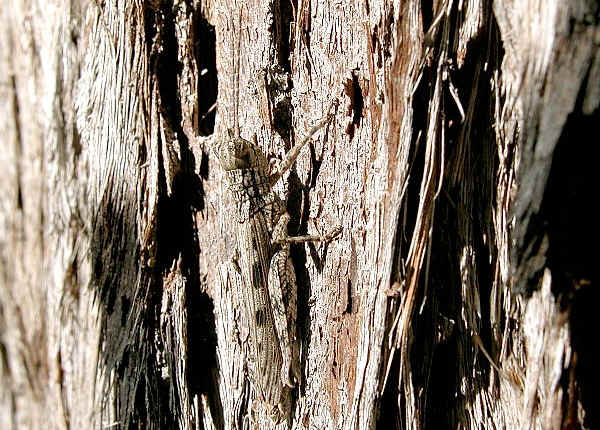
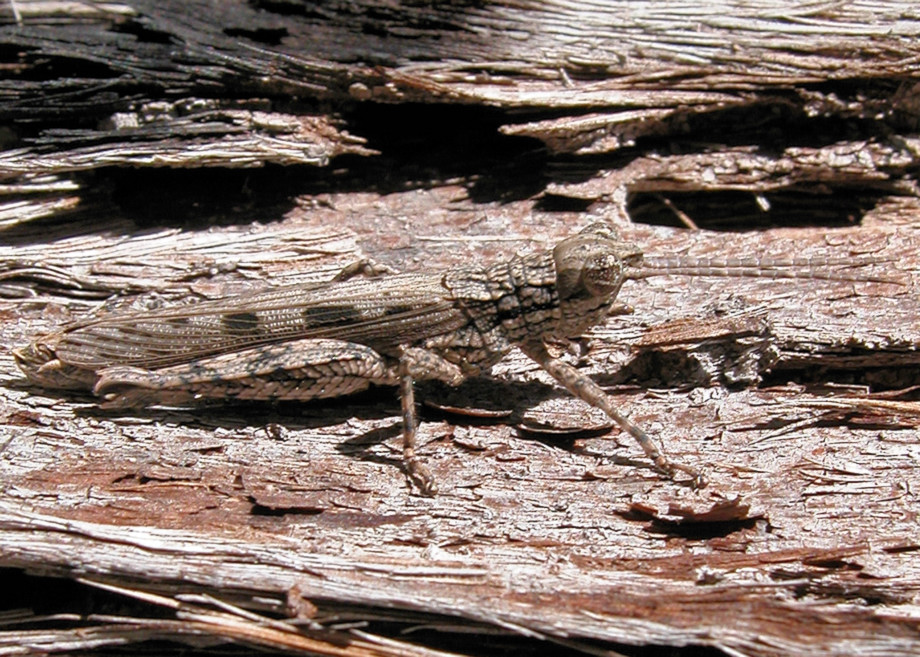
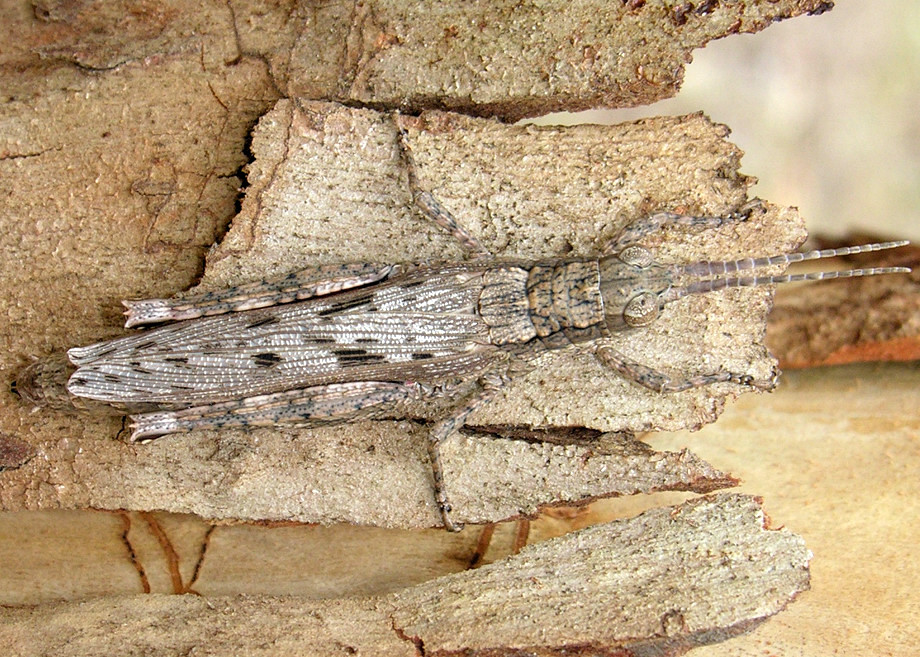
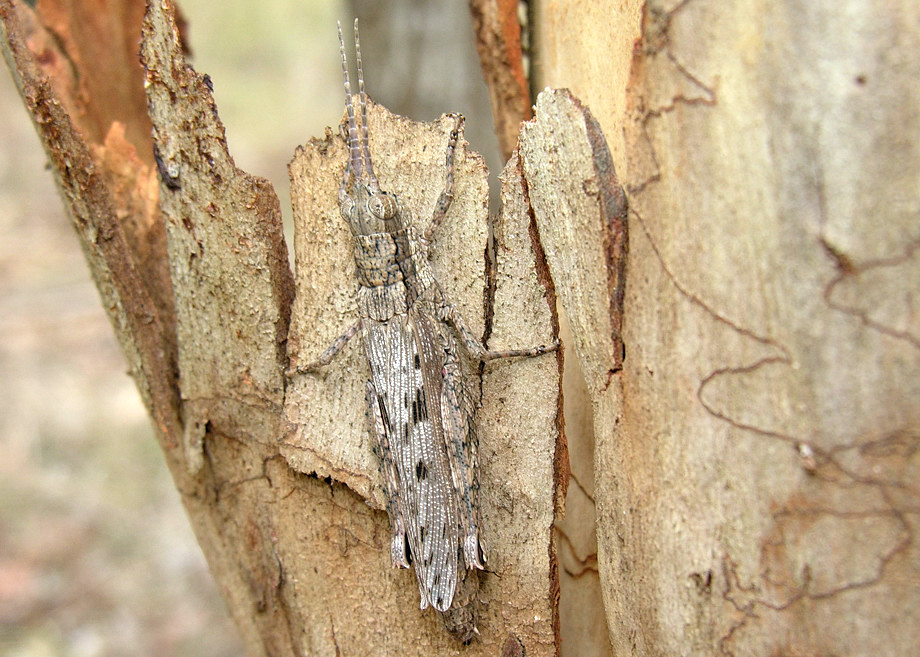
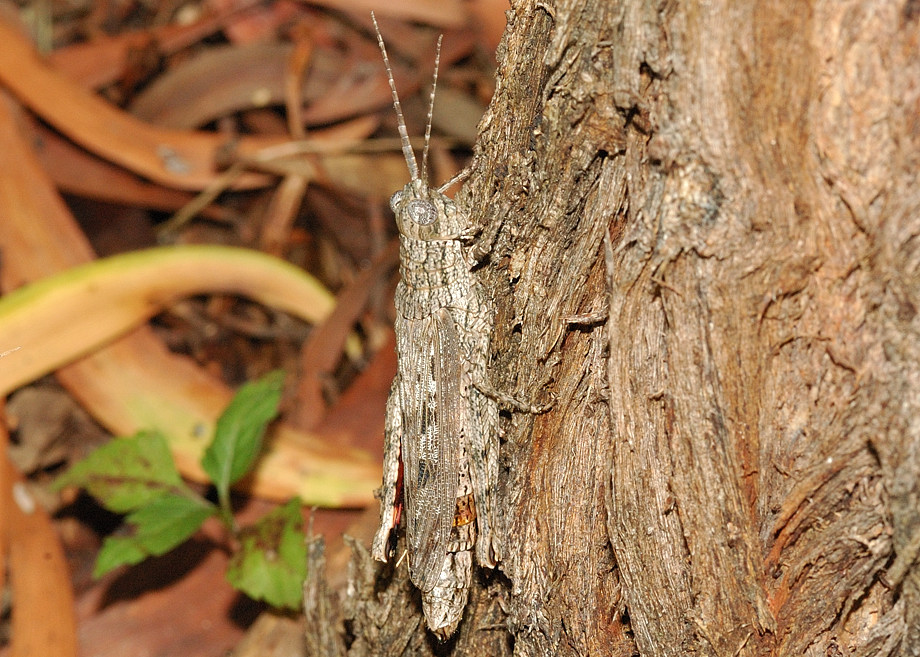
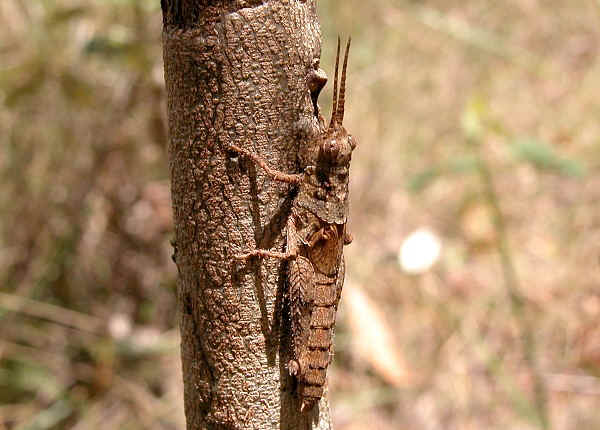
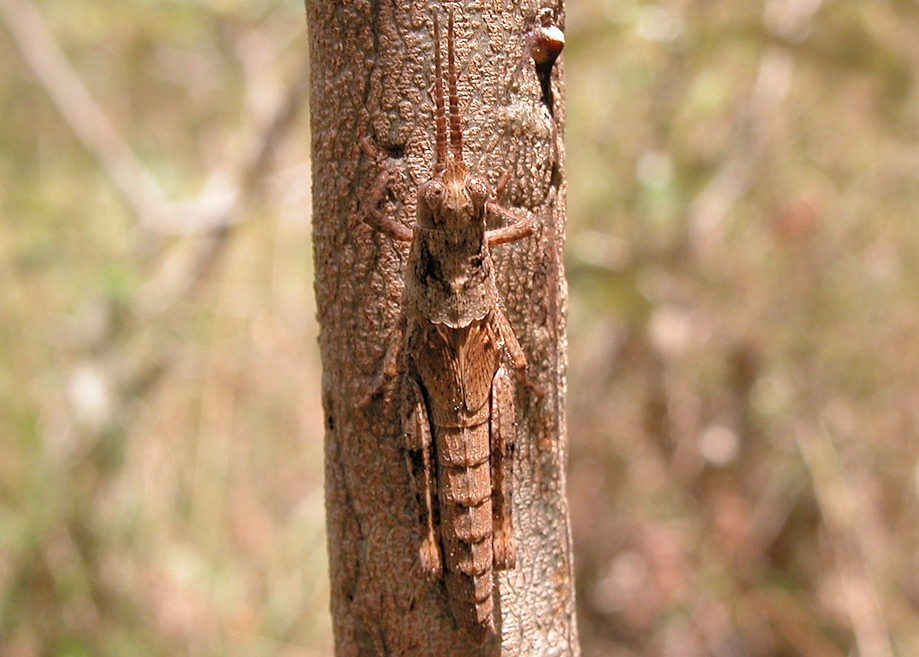
- During the day time, they rest on tree trunk with rough bark surface. They usually sit in line with the bark texture and hardly be seen. They will not move a bit even we came to very close. They depend on their camouflaged pattern to hide away from their predators.
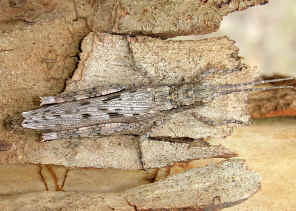
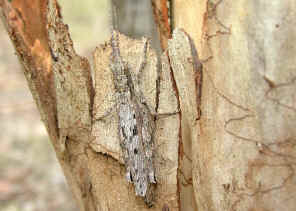
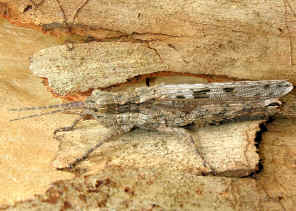
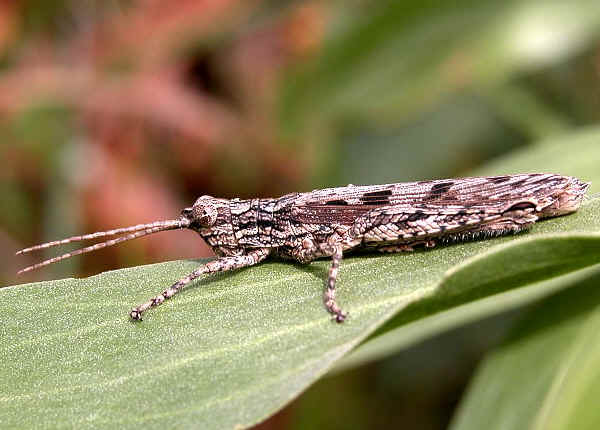
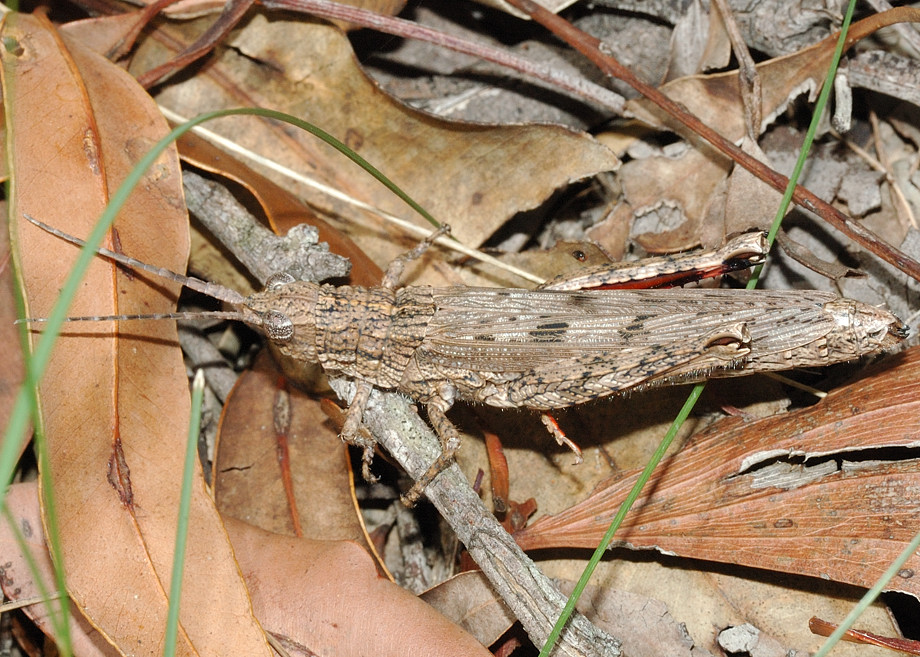
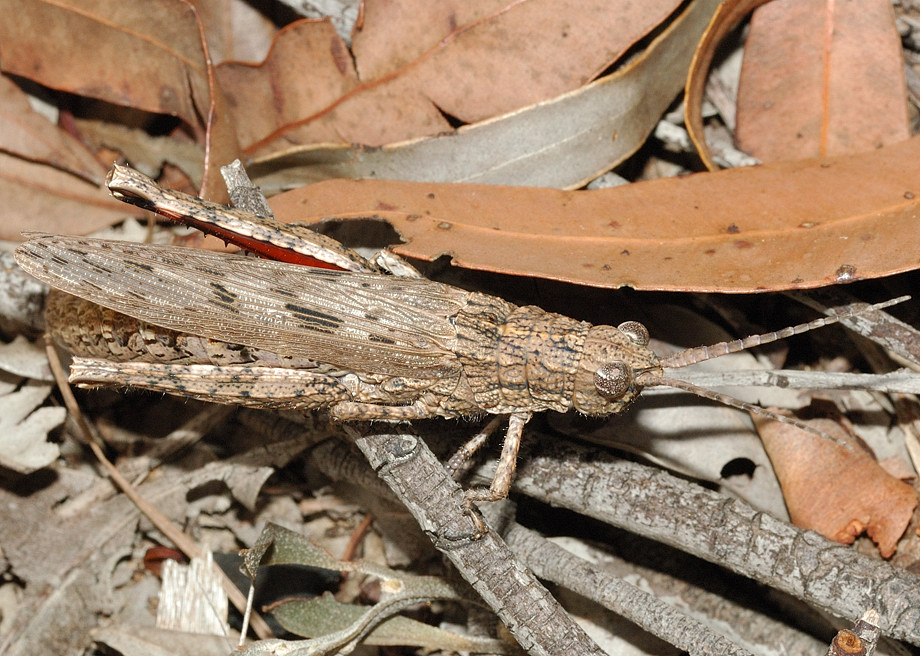
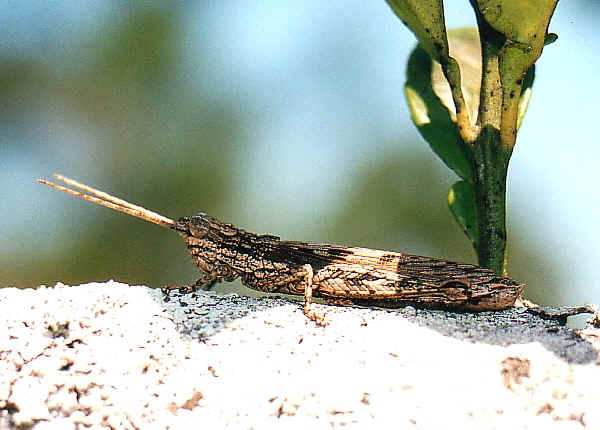
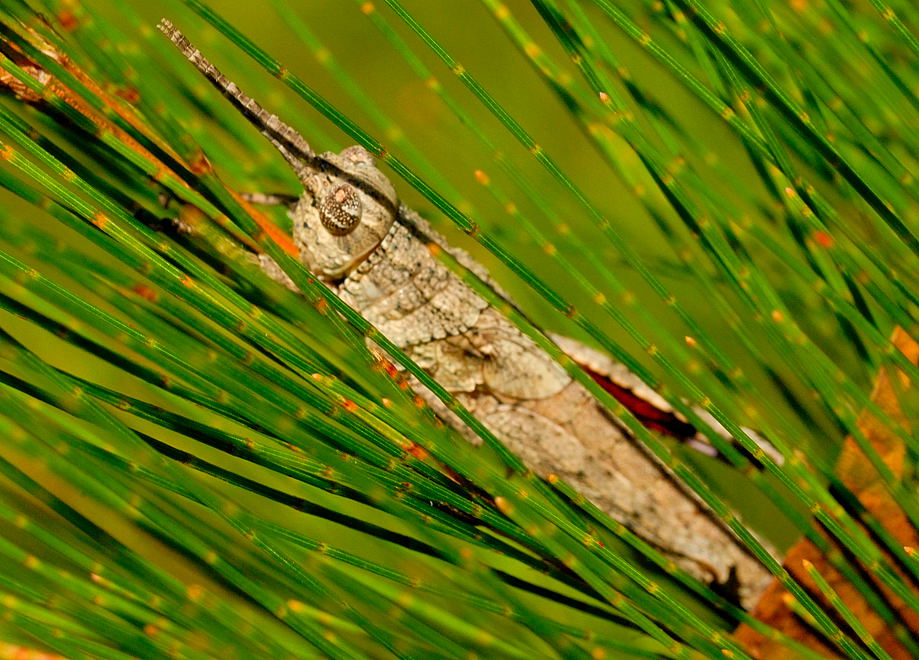
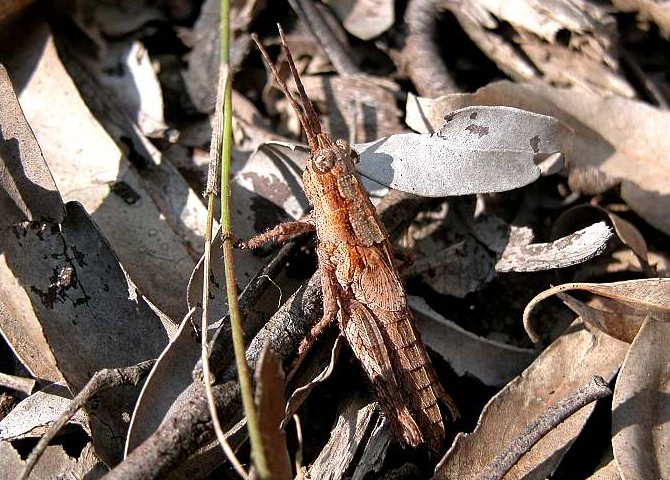
- Their body and colour pattern resemble twigs or stems. Both female and male are fully winged.
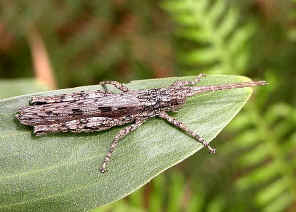
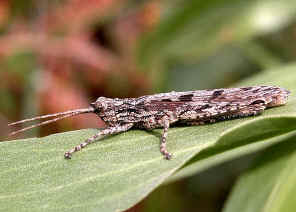
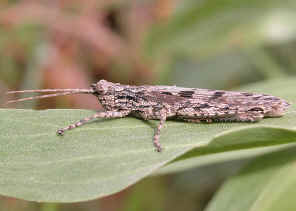
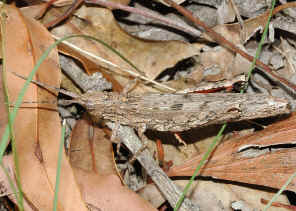
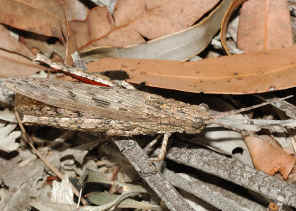
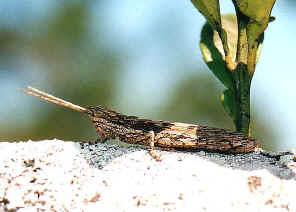
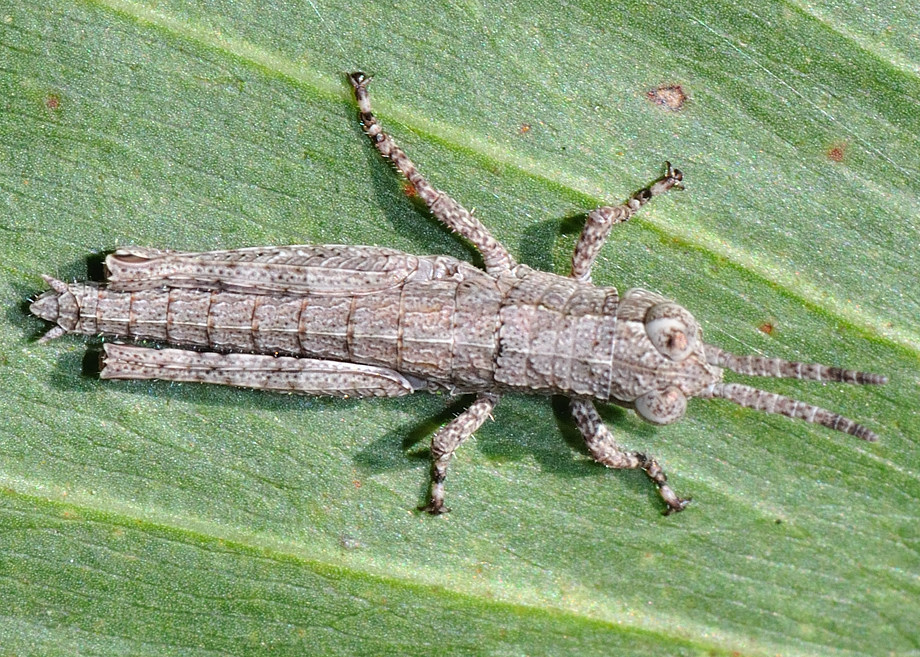
- Above pictures were taken in a early mid-summer morning, a Stem Grasshopper was found sun-bathing on a Acacia leaf in Karawatha Forest.
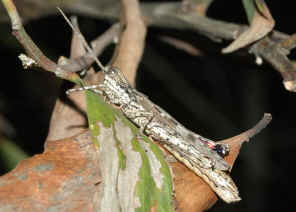
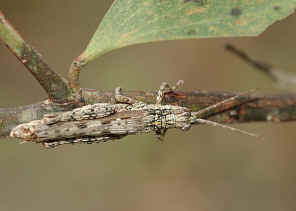
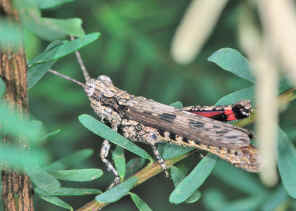
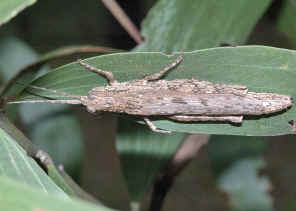
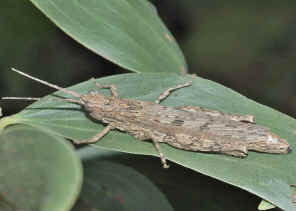
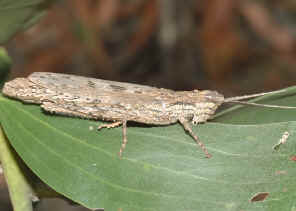
- They are active both day and night. They feed on foliage of acacia and other shrubs.
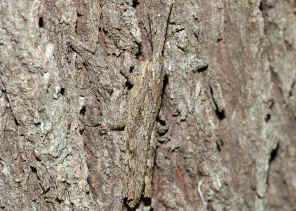
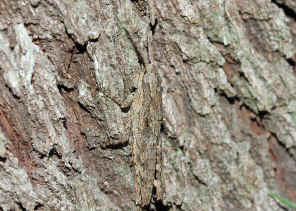
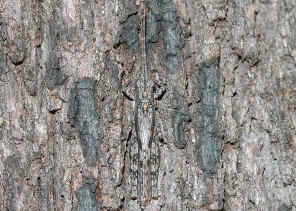
- They like to rest on tree trunk with their body align with the tree bark patterns.


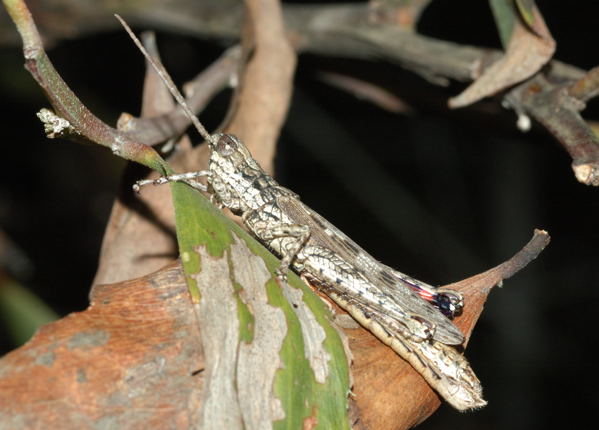


Nymph
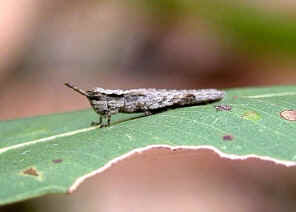
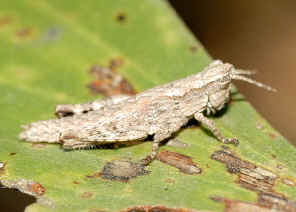
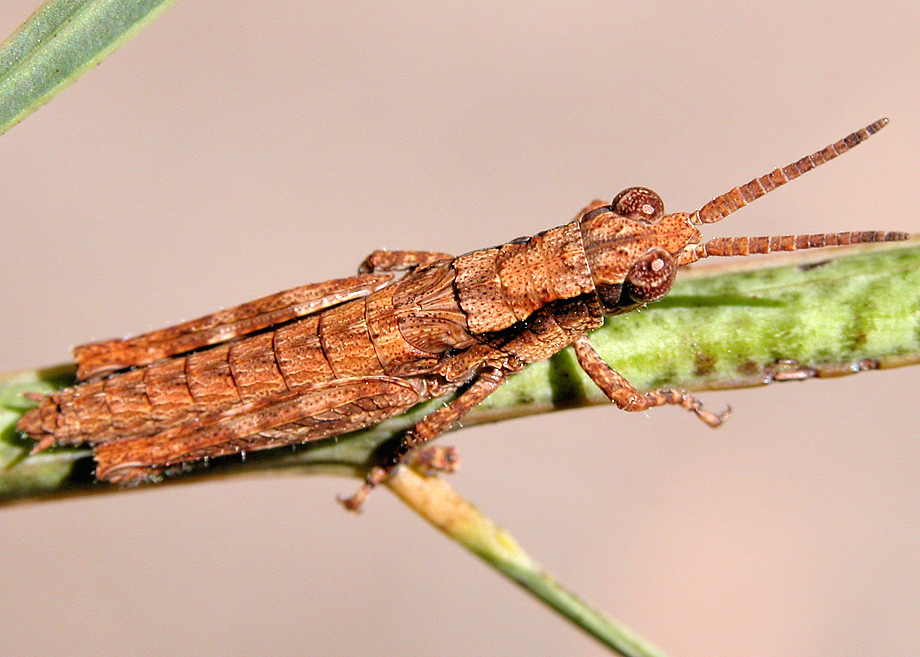
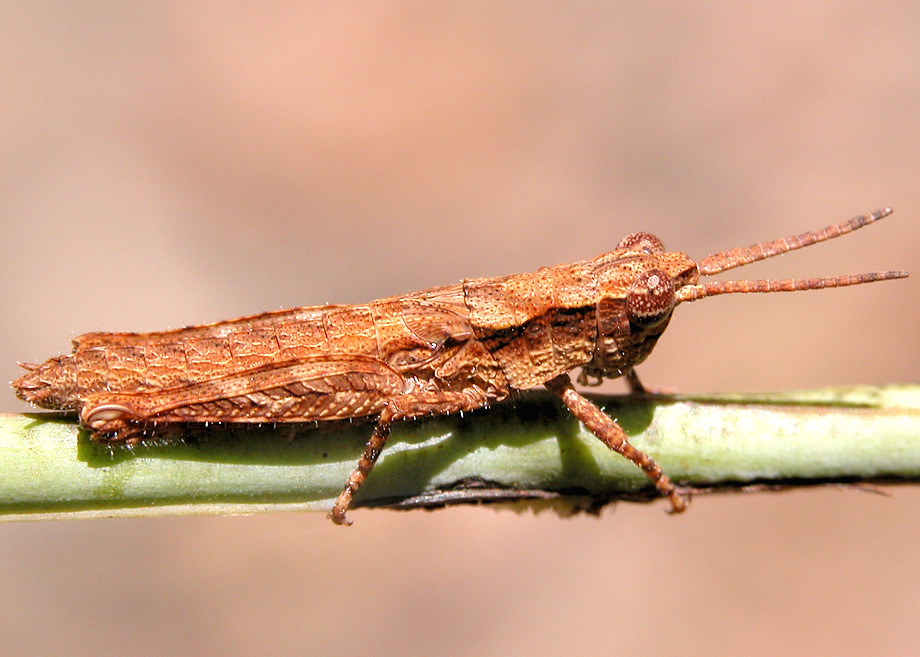
- 2nd instars, body length 12mm
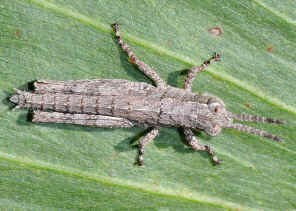
- 3rd instars, body length 25mm
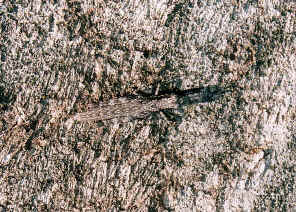
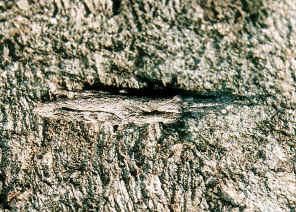
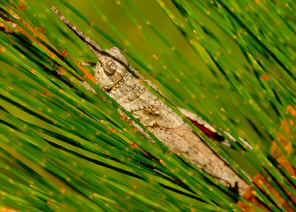
- 4th instars body length 35mm
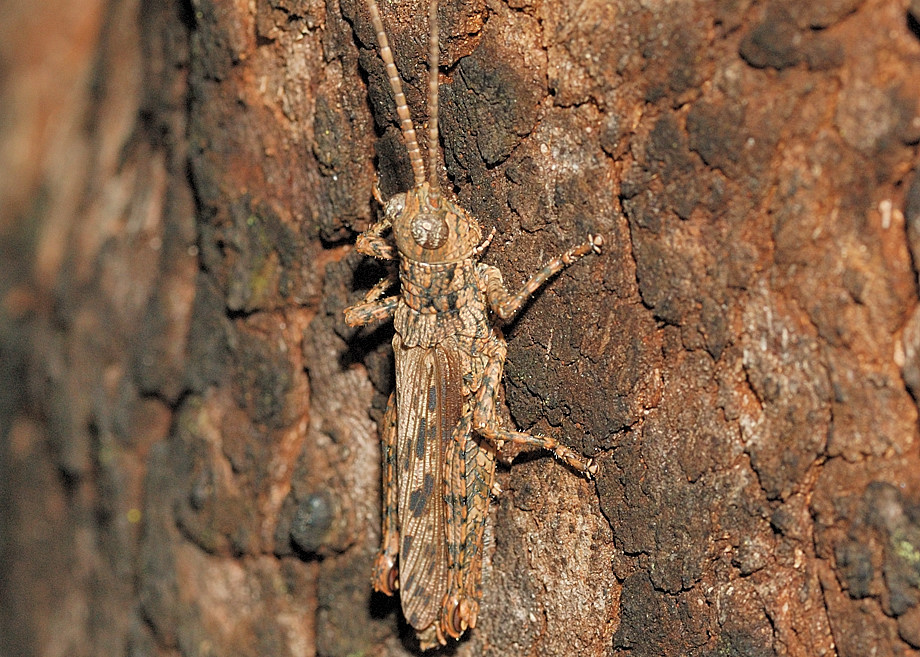
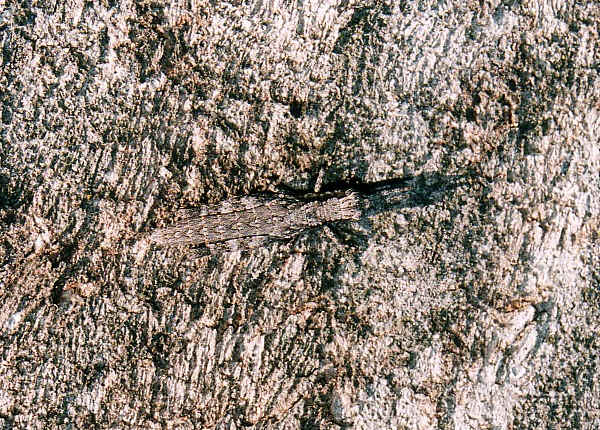
- During the day time, they rest on tree trunk with rough bark surface. They usually sit in line with the bark texture and hardly be seen. They will not move a bit even we came to very close. They depend on their camouflaged pattern to hide away from their predators.
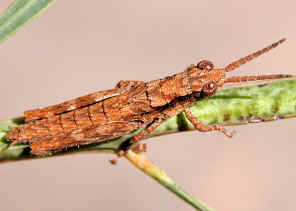

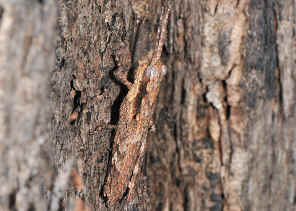
- 4th instars
- The above pictures were taken in Karawatha Forest during mid summer.
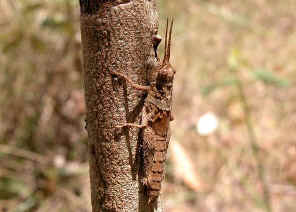
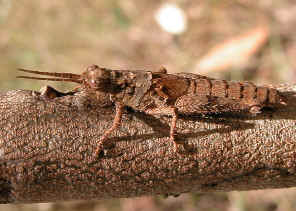
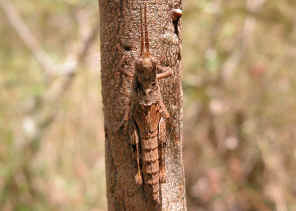
- 5th instars body length 40mm, on Black Wattle tree trunk mid summer, Alexandra Hill
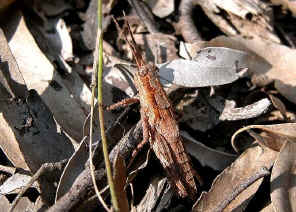
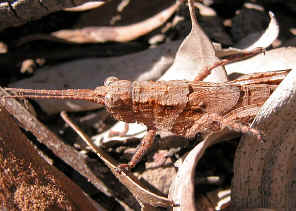
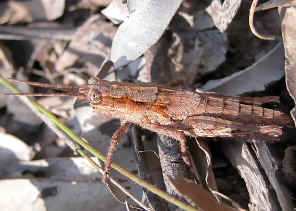
- 5th instars, body length 30mm
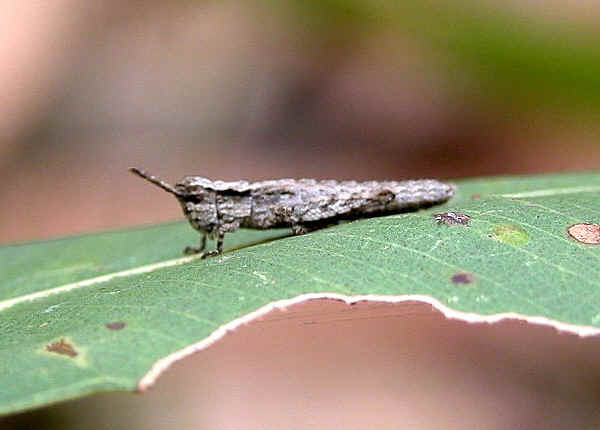
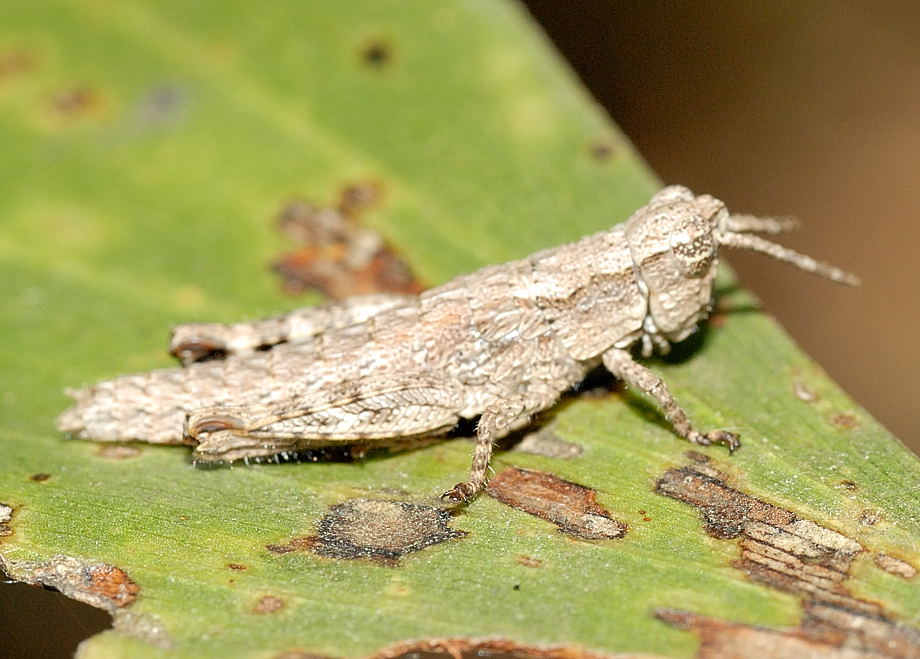

- Reference:
- 1. Grasshopper Country - the Abundant Orthopteroid Insects of Australia, D Rentz, UNSW Press, 1996, p189.
- 2. A Guide to Australian Grasshoppers and Locusts - DCF Rentz, RC Lewis, YN Su and MS Upton, 2003, p261.
