Home
 
Grasshoppers
Field Guide
Questions for Discussion
 

Gryllacrididae 
Striped Raspy Cricket
SpiderFaceLeafRollingCricket 
 
Tettigoniidae
Conocephalinae 
BlackishMeadow Katydid
Spine-headed Katydid 
Meconematine
Predatory Katydid 
Pseudophyllinae
False Leaf Katydid 
Phaneropterinae 
Mountain Katydid
32-Spotted Katydid
Gum Leaf Katydid
Small Grassland Katydid
Small Gum Tree Katydid
Stout-body Katydid 
Common Garden Katydid
White Back Nymph
Unidentified Katydids
 
Gryllidae
Slow-chirpingMottled Field Cricket
Silent Bush Cricket
Scale Cricket 
 
Gryllotalpidae
Common Mole Cricket
Dark Night Mole Cricket 
 

Eumastacidae
Matchstick 
 
Pyrgomorphidae
NorthernGrassPyrgimorph
 
Acrididae
Oxyinae
Creek Grasshopper 
Catantopini
Genera Goniaea
MimeticGumleafGhopper
Black-kneed GumleafGhopper
Slender Gumleaf Ghopper
Gumleaf Grasshopper
Other Catantopini
Bicoloured Cedarinia
Epallia Grasshopper
Queensland White-tips
Common Pardillana
Common Adreppus
BarkmimickingGhopper 
Handsome Macrotona
False Perloccia 
Cyrtacanthacridini 
Spur-throated Locust
Giant Grasshopper
Acridinae
Froggatt's Buzzer
Golden Bandwing
Giant Green Slantface
Caledia 
Yellow-winged Locust
 
Tetrigidae
Pygmy Grasshoppers 
 
UnidentifiedGhoppers 


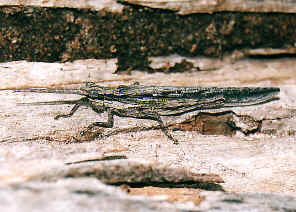
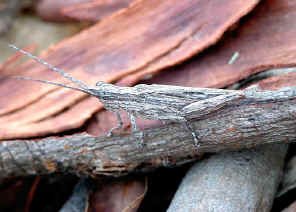
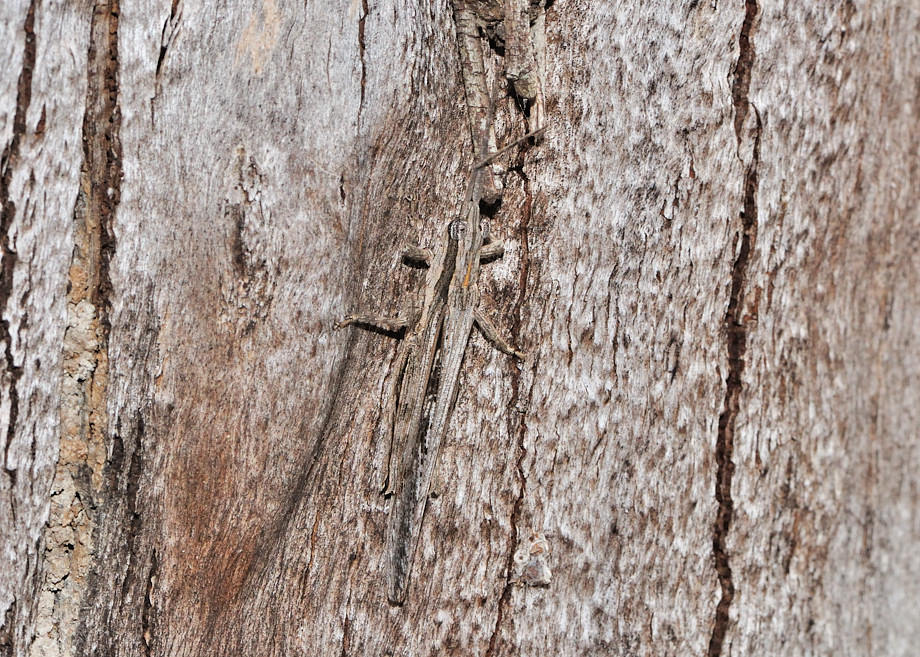
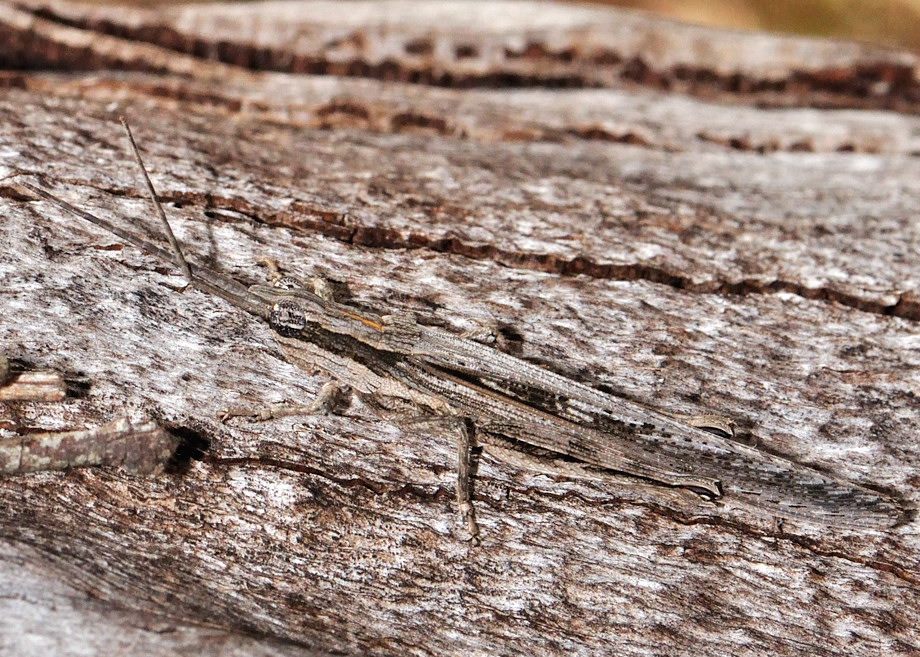
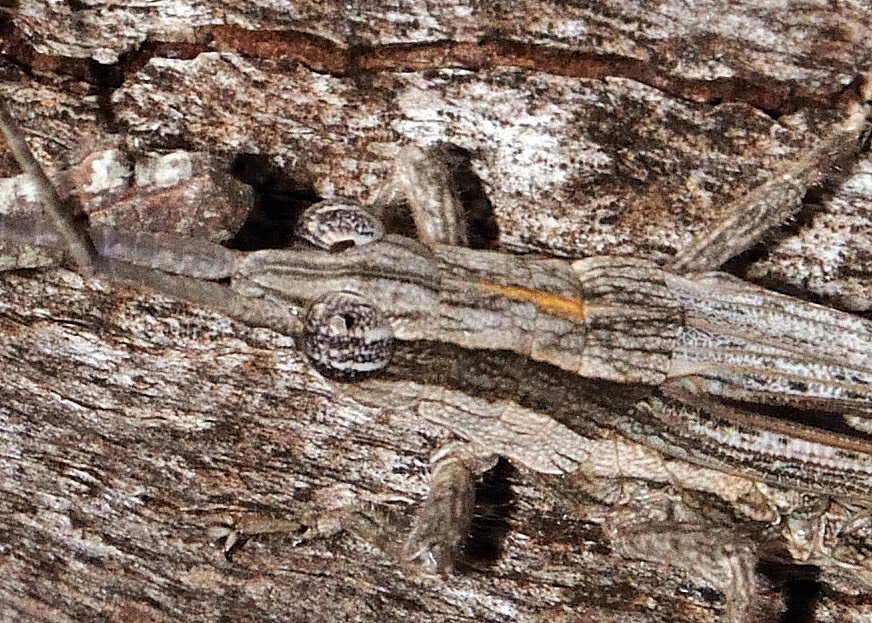
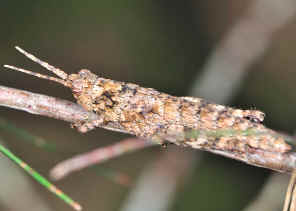
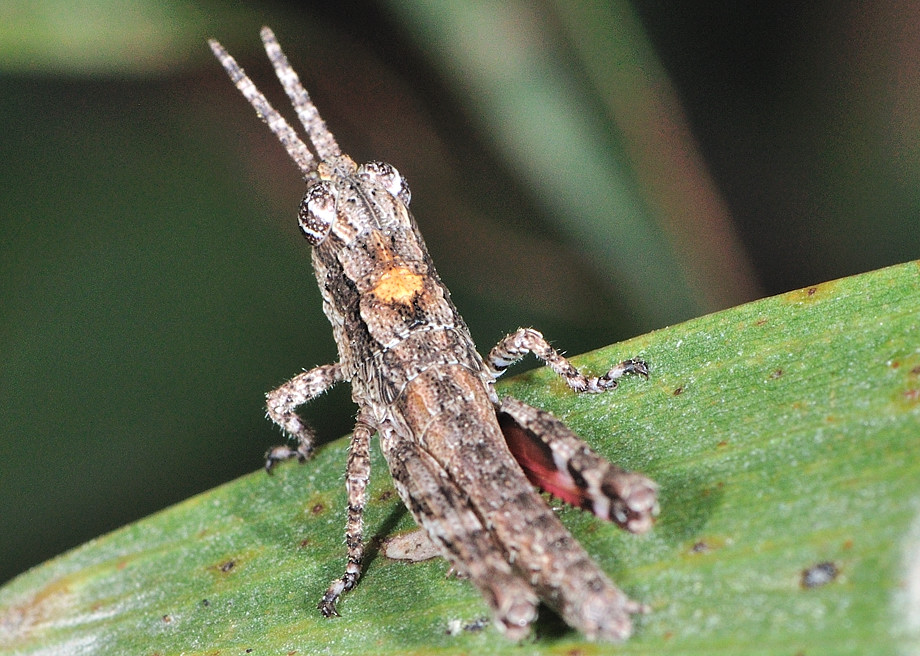
Bark-mimicking Grasshopper - Coryphistes ruricola

Family Acrididae

This page contains pictures and information about the Bark-Mimicking Grasshoppers that we found in the Brisbane area, Queensland, Australia.  
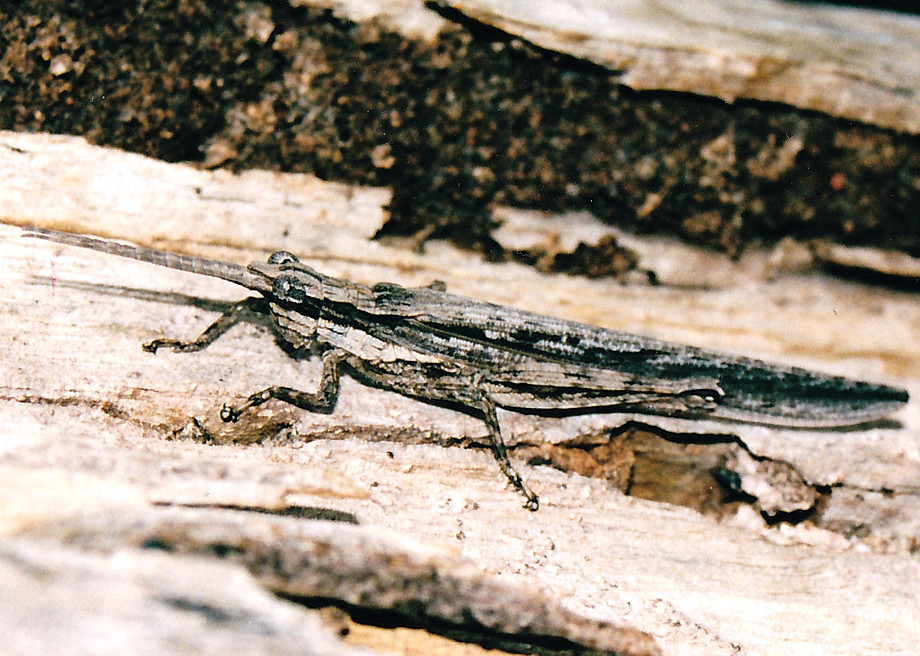
Body length 50mm
 
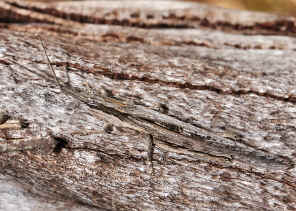
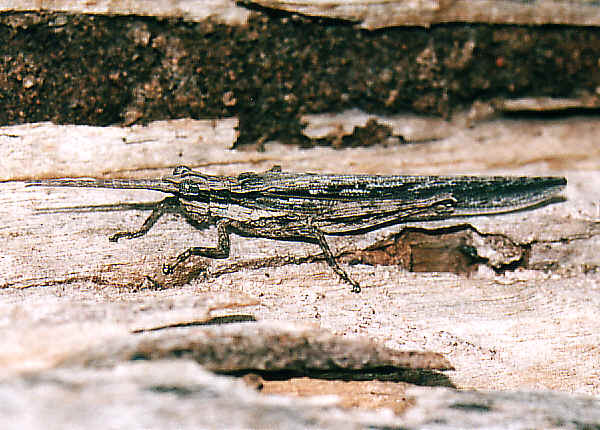
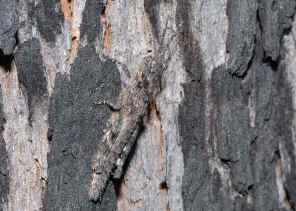
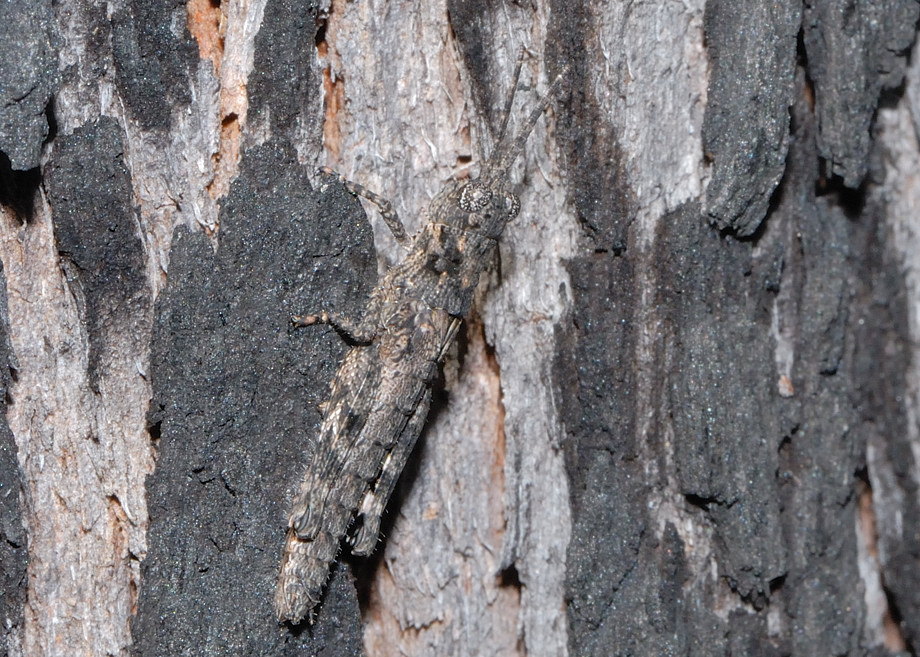
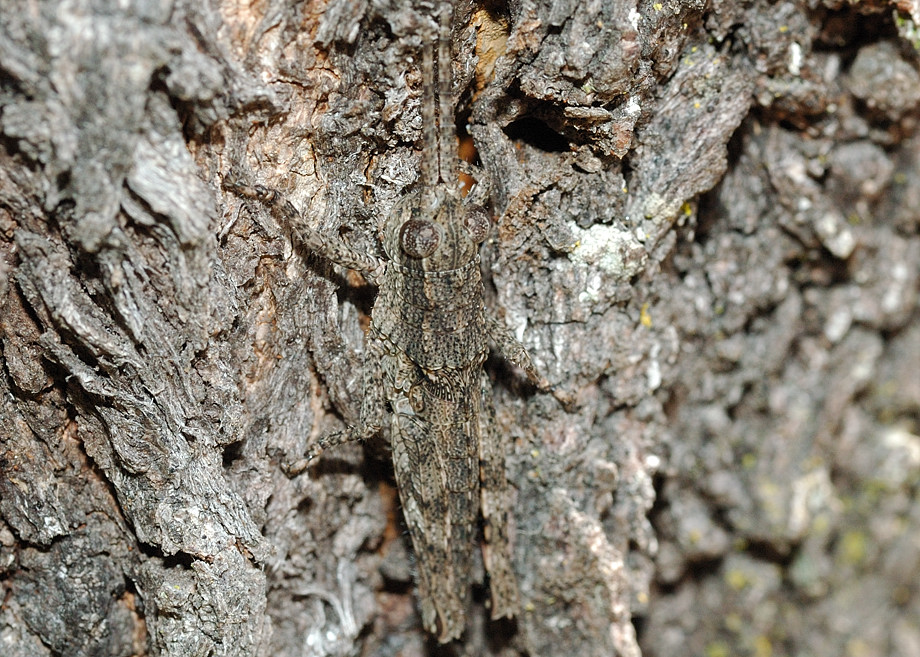
They are hard to be be seen when they rest on the tree trunk. They do not move until we come very close, then they hide at the other side of the tree trunk. They look similar to another grasshopper species Adreppus fallax which also mimics the bark. This grasshopper species has elongated antennae which is sword shaped and flattened at the bases.
 
wpe1A.jpg (45584 bytes)  wpe8.jpg (50558 bytes)
 
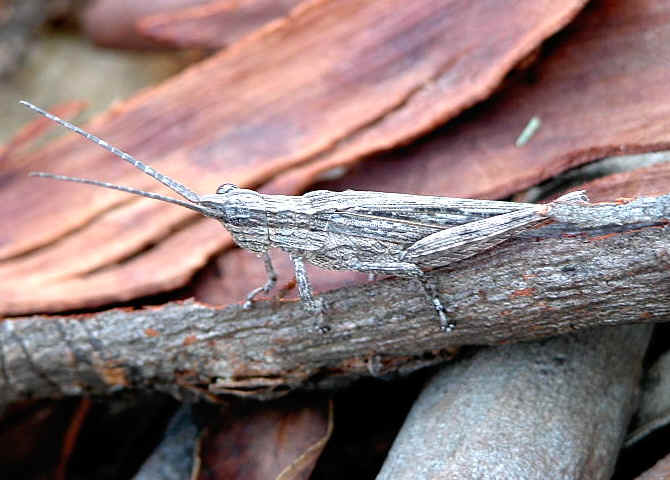
Both female and male of this species are fully winged. The colour and patterns of each individual may vary a bit. 
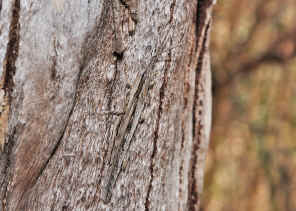
wpe8.jpg (53305 bytes) 
Adult body length 40mm-50mm
 
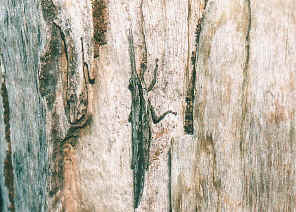
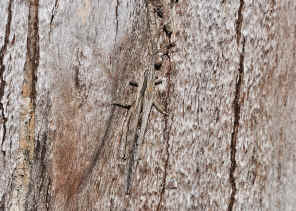
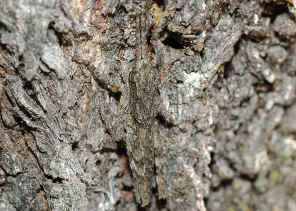
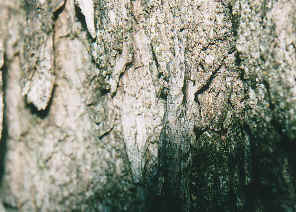
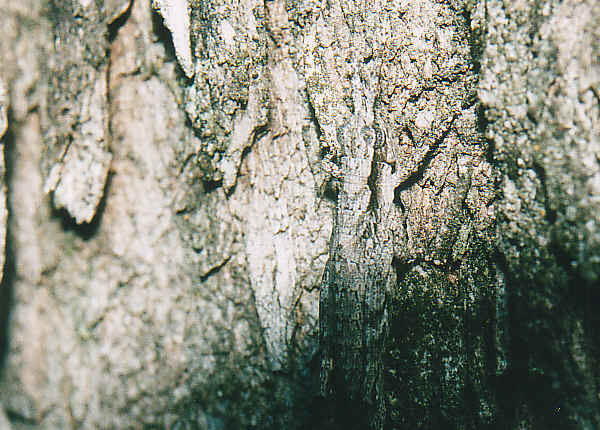
When they are resting on tree trunk, they are hardly be noticed even come very close. 
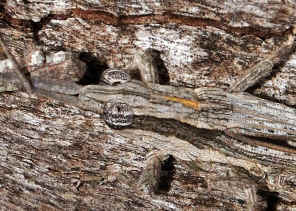
 
DSCN0974.JPG (91103 bytes)  DSCN0978.JPG (128035 bytes)
 
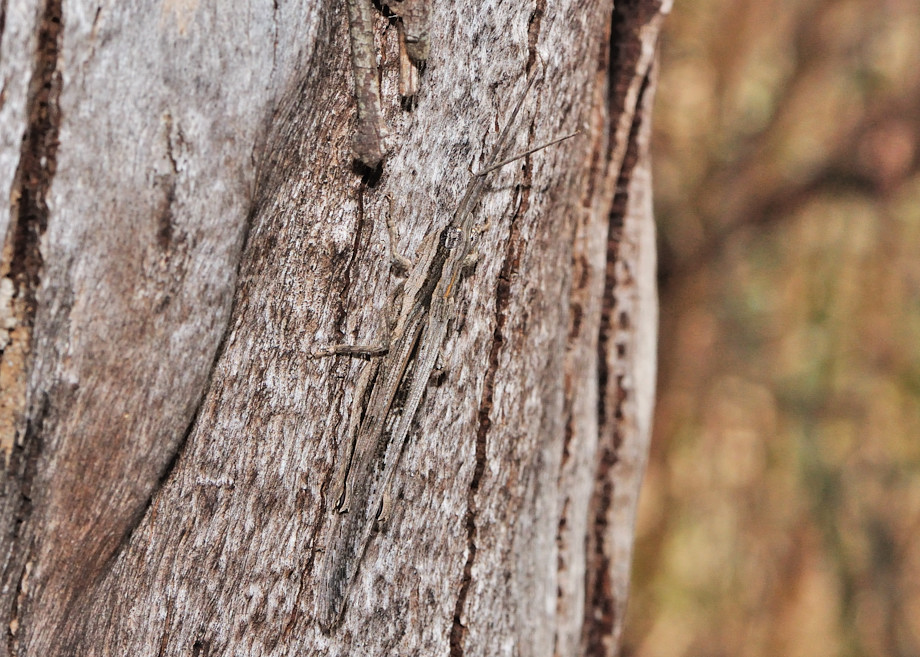
They like to rest on tree trunk with their body align with the tree bark patterns. 
 
DSCN2034.JPG (134385 bytes)  DSCN2035.JPG (111496 bytes)
 
They are active both day and night. They feed on foliage of acacia and other shrubs. 
 
wpe1B.jpg (52685 bytes)  wpe19.jpg (50860 bytes)
Nymph, 3rd instars, body length 25mm  
 
wpeF.jpg (85925 bytes)  wpe6.jpg (73485 bytes)
Nymph, 4th instars body length 35mm 
 
During the day time, they rest on tree trunk with rough bark surface. They usually sit in line with the bark texture and hardly be seen. They will not move a bit even we came to very close. They depend on their camouflaged pattern to hide away from their predators.
 
wpe1.jpg (41502 bytes)  wpe3.jpg (32510 bytes)
Nymph, 5th instars body length 40mm, on Black Wattle tree trunk mid summer, Alexandra Hill 
 
wpe1.jpg (23372 bytes)  wpe4.jpg (27017 bytes)
 
The above pictures were taken in Karawatha Forest during mid summer. 
 
DSCN9209.JPG (136620 bytes)  DSCN9211.JPG (95709 bytes)
Nymph, 5th instars, body length 30mm

Reference:
1. Grasshopper Country - the Abundant Orthopteroid Insects of Australia, D Rentz, UNSW Press, 1996, p189.
2. A Guide to Australian Grasshoppers and Locusts - DCF Rentz, RC Lewis, YN Su and MS Upton, 2003, p264.

Back to top

Up ] Genera Goniaea ] Bicoloured Cedarinia ] Epallia Grasshopper ] Queensland White-tips ] Common Pardillana ] Common Adreppus ] [ Bark-Mmicing Grasshopper ] Handsome Macrotona ] False Perloccia ]


See us in our Home page. Download large pictures in our Wallpaper web page. Give us comments by sending email to us. A great way to support us is to buy the CD from us.  
Last updated: April 28, 2007.