Common Pardillana - Pardillana limbata
Family ACRIDIDAE
- This page contains pictures and information about the Common Pardillana Grasshoppers that we found in the Brisbane area, Queensland, Australia.
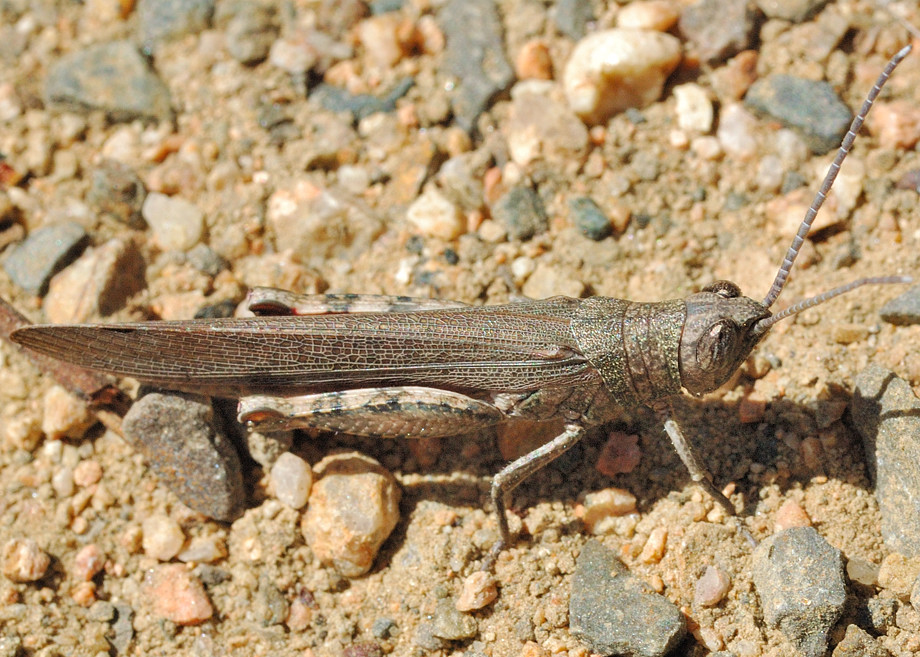
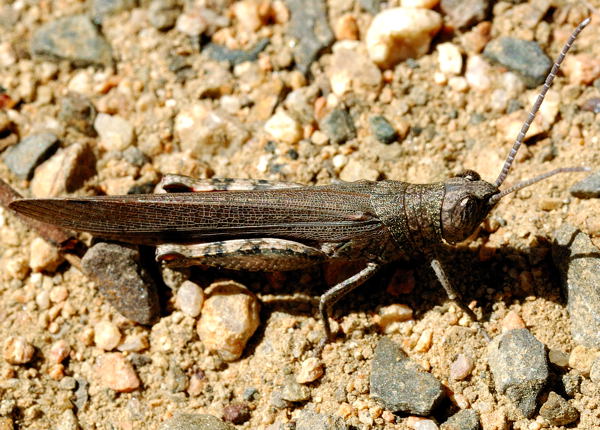
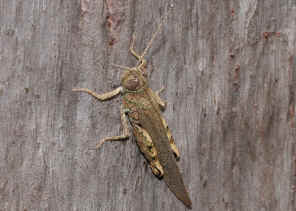
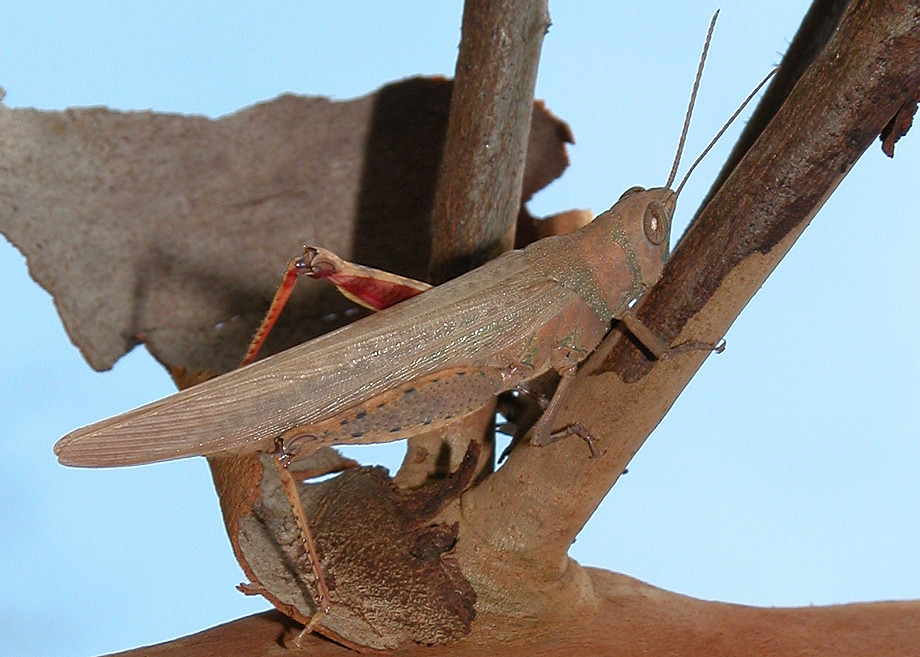
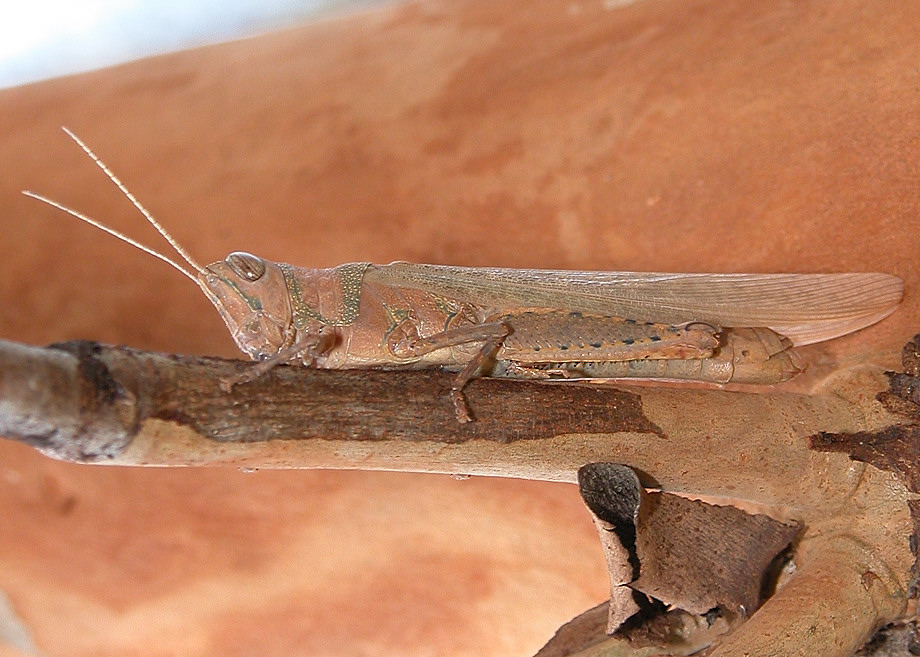
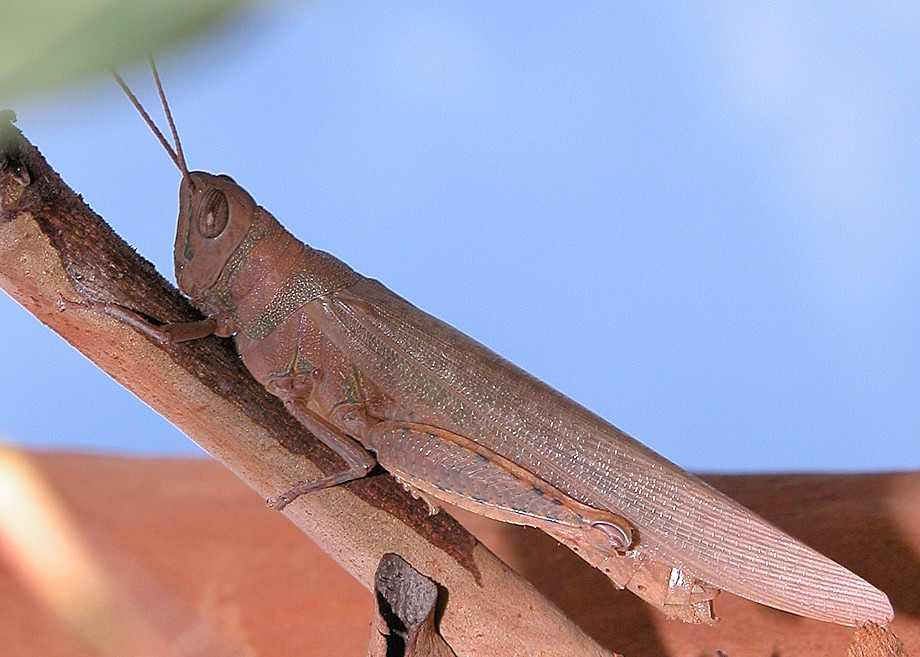
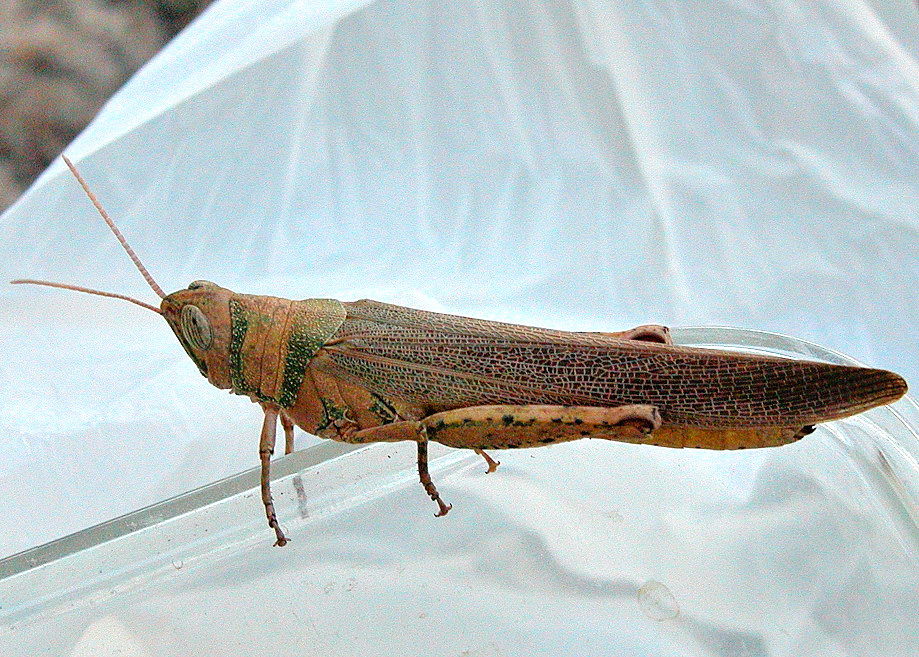
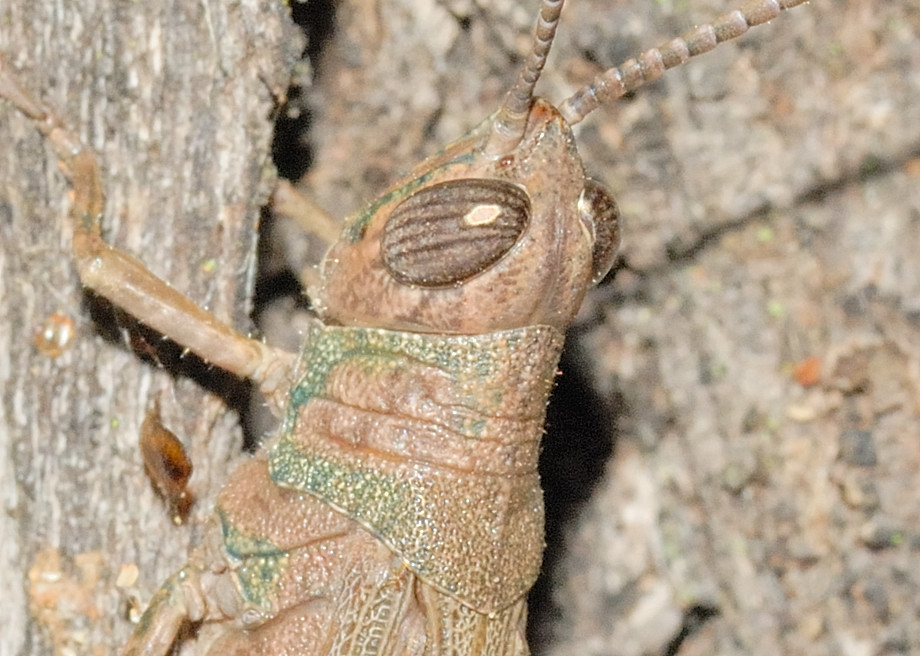
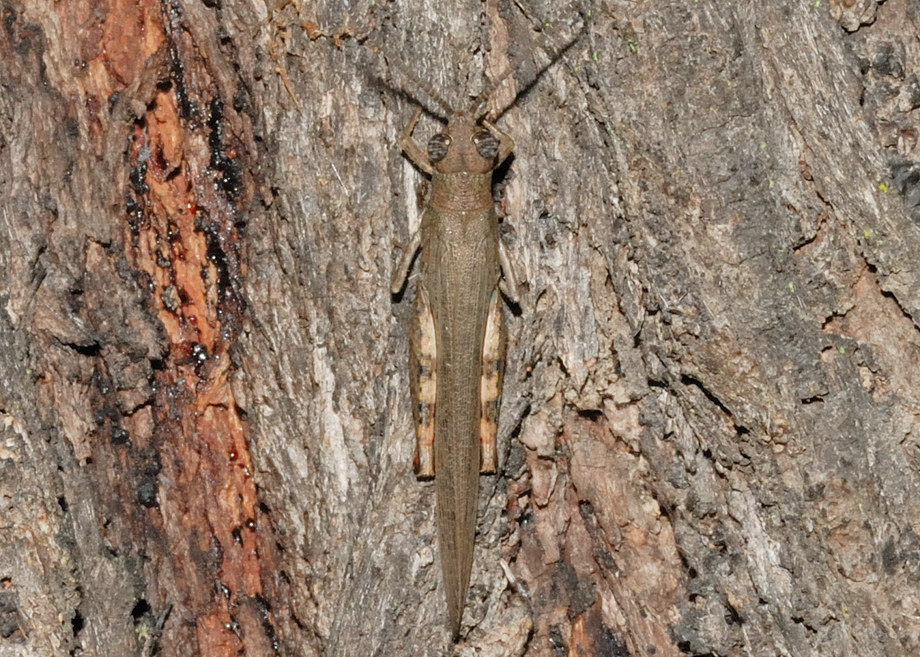
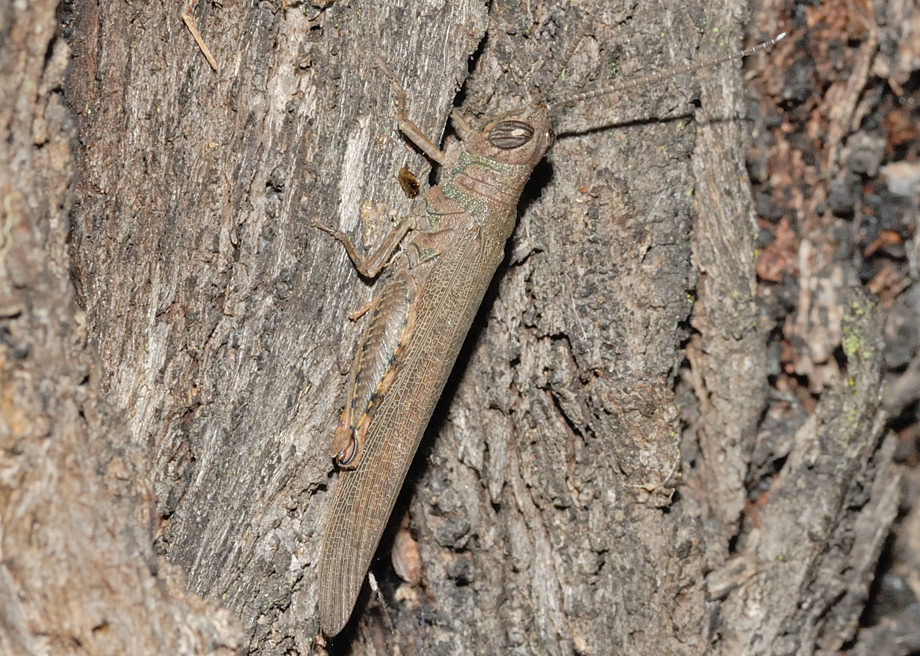
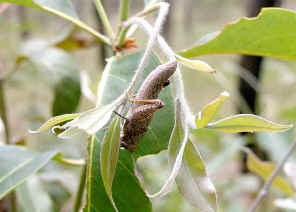
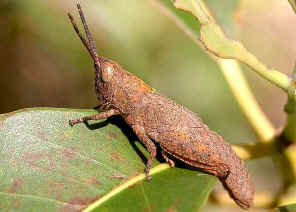
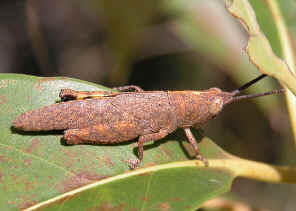
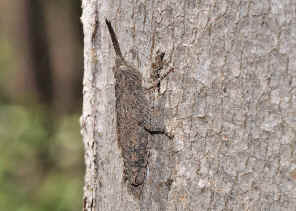
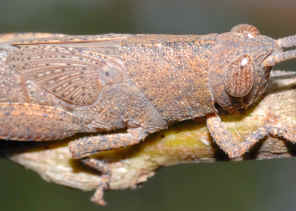
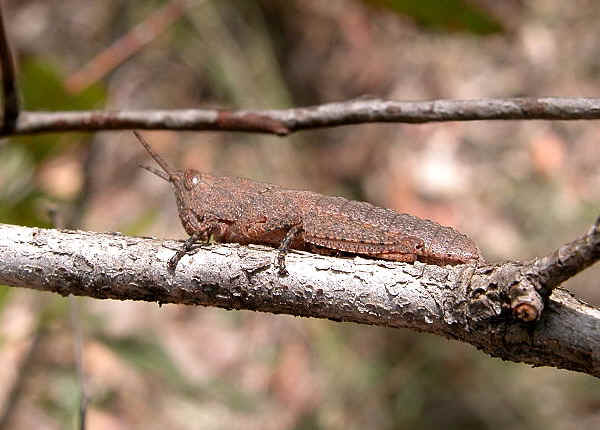
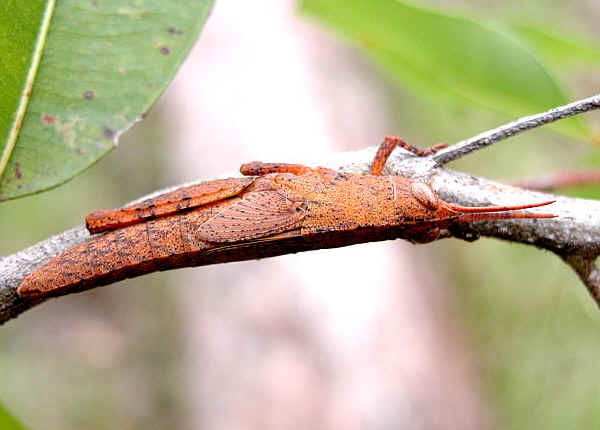
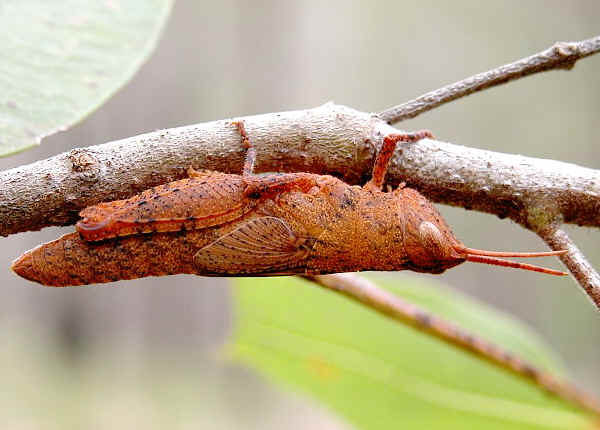
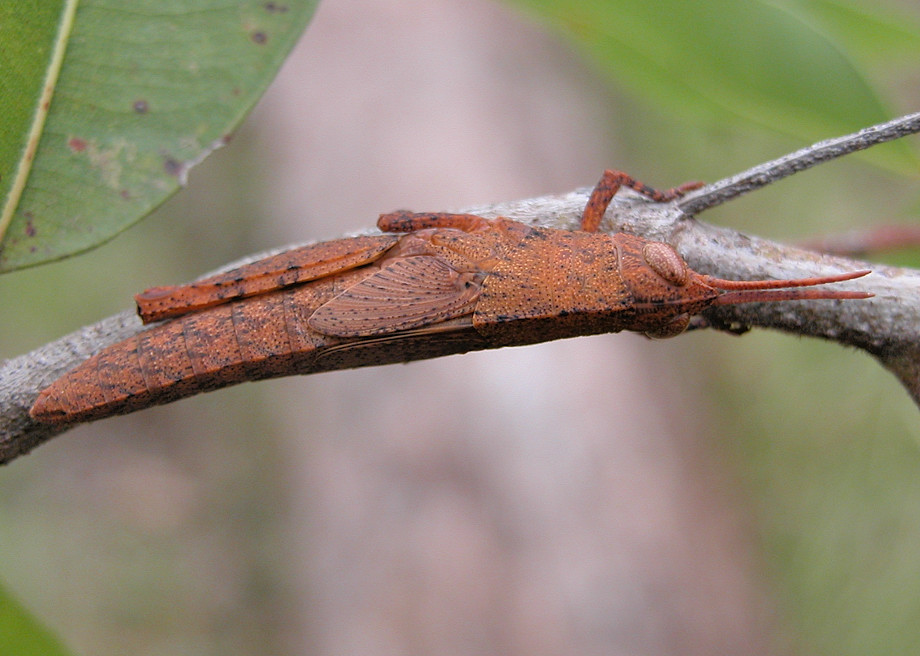
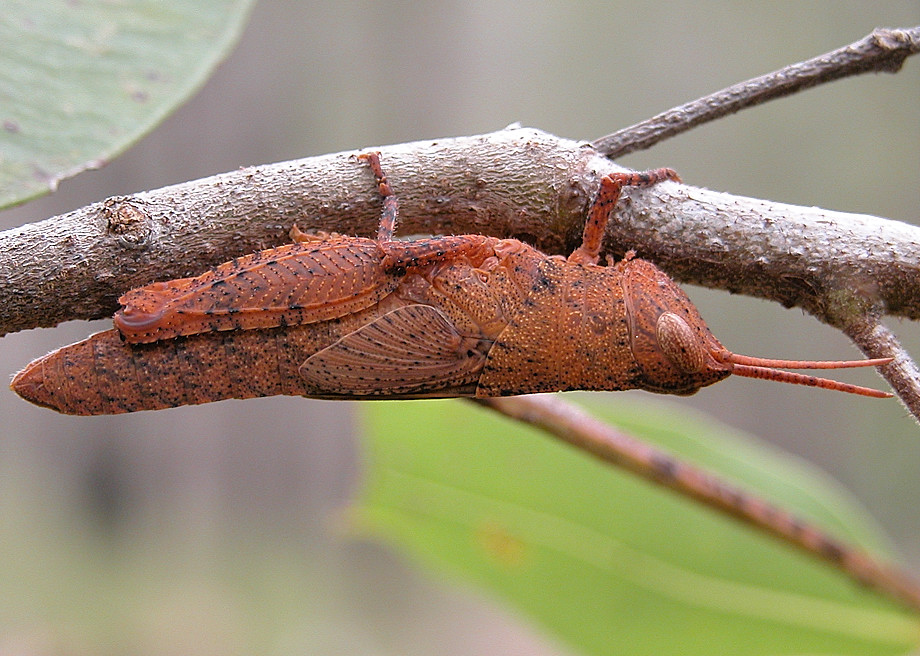
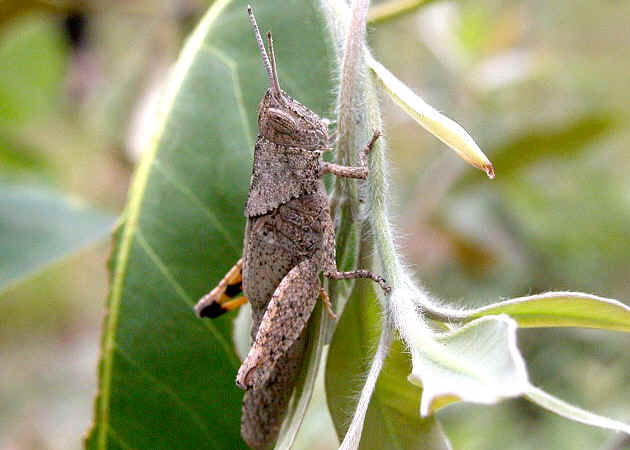
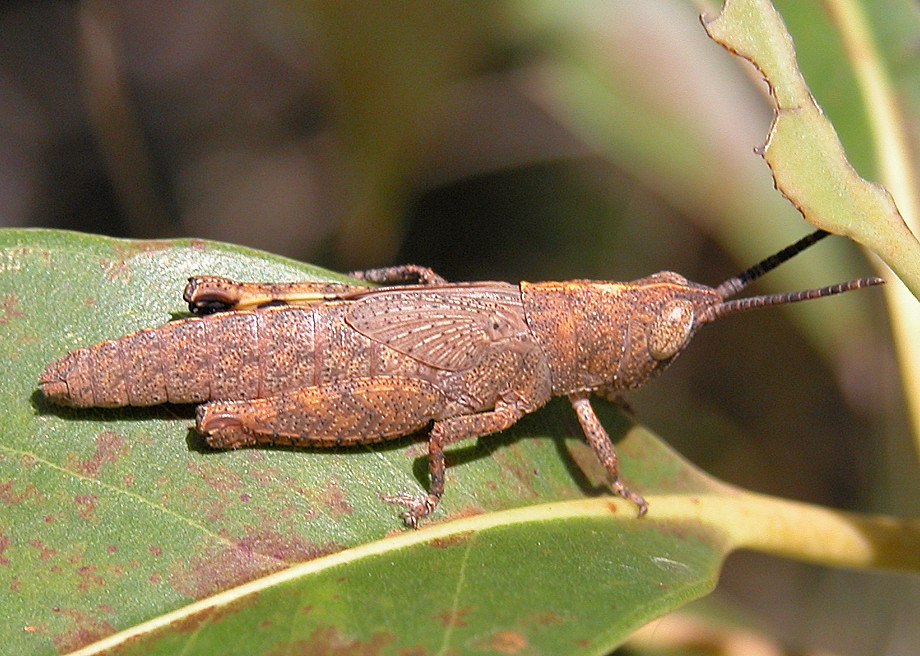
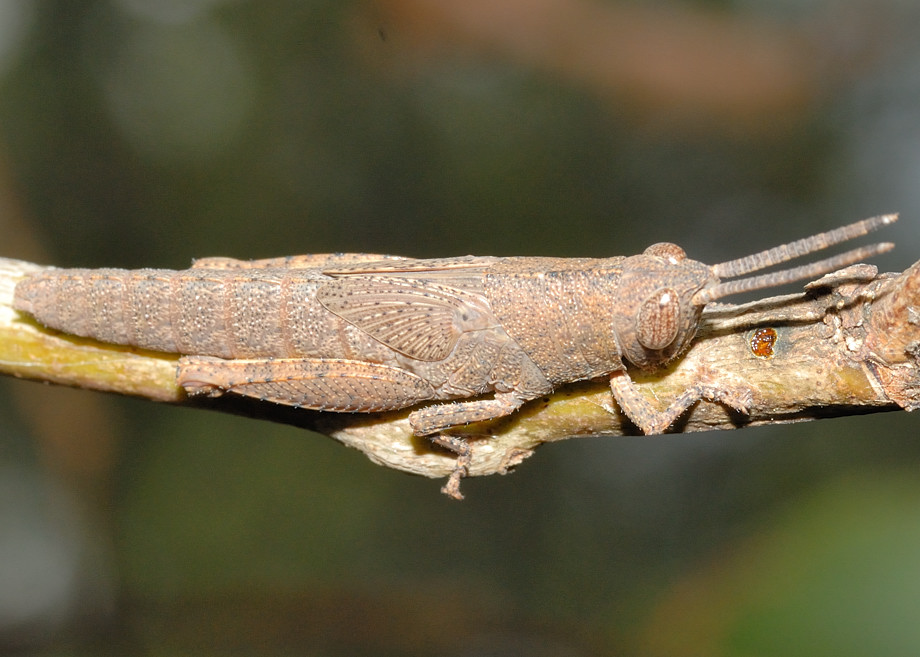
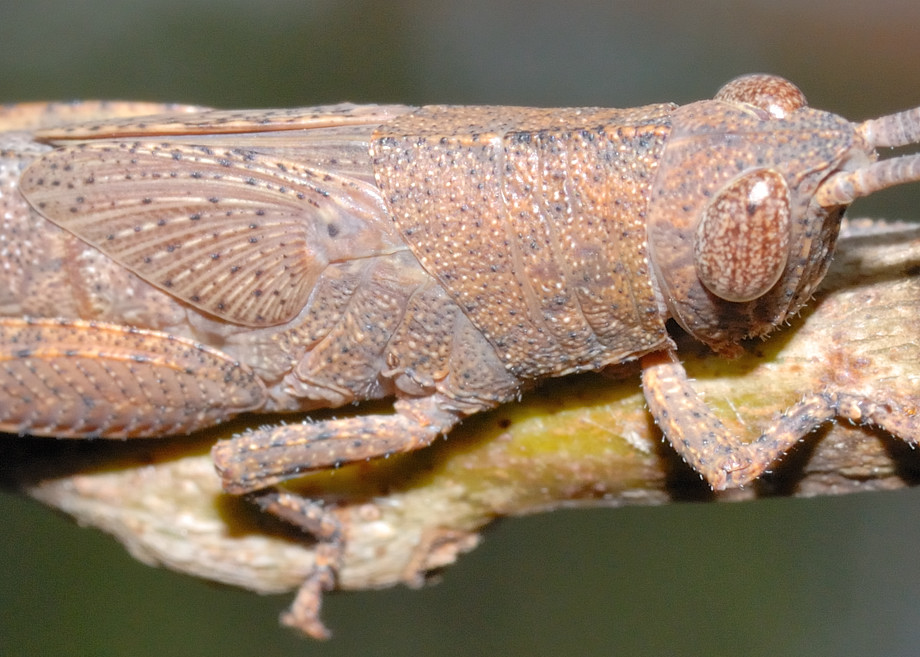
- Female, body length 60mm
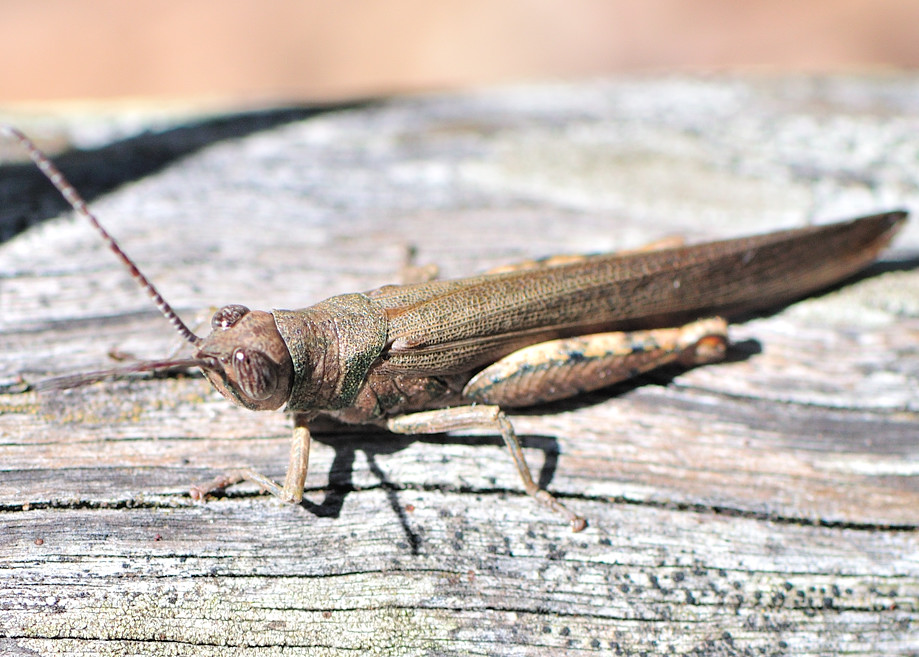
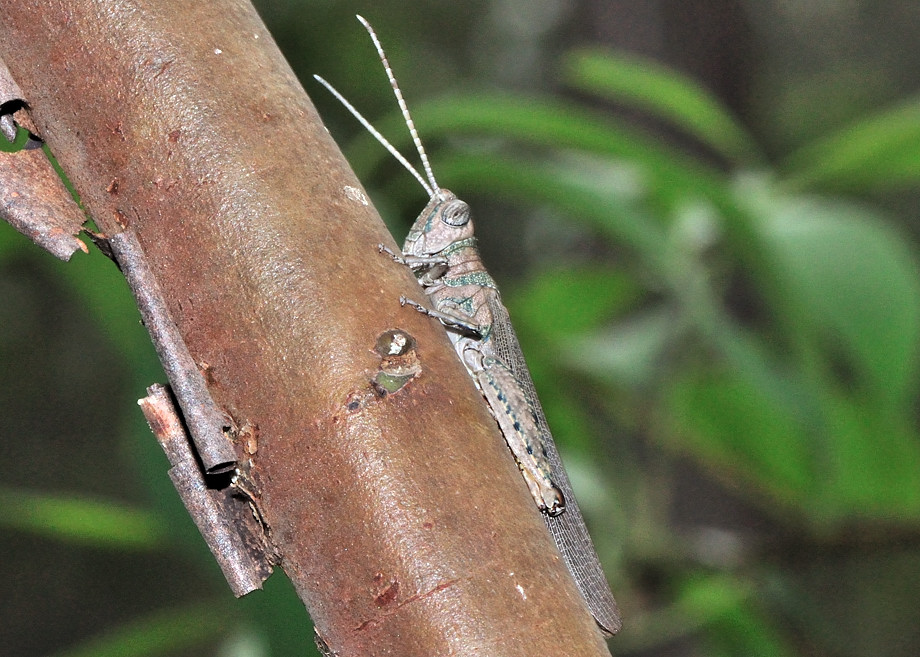
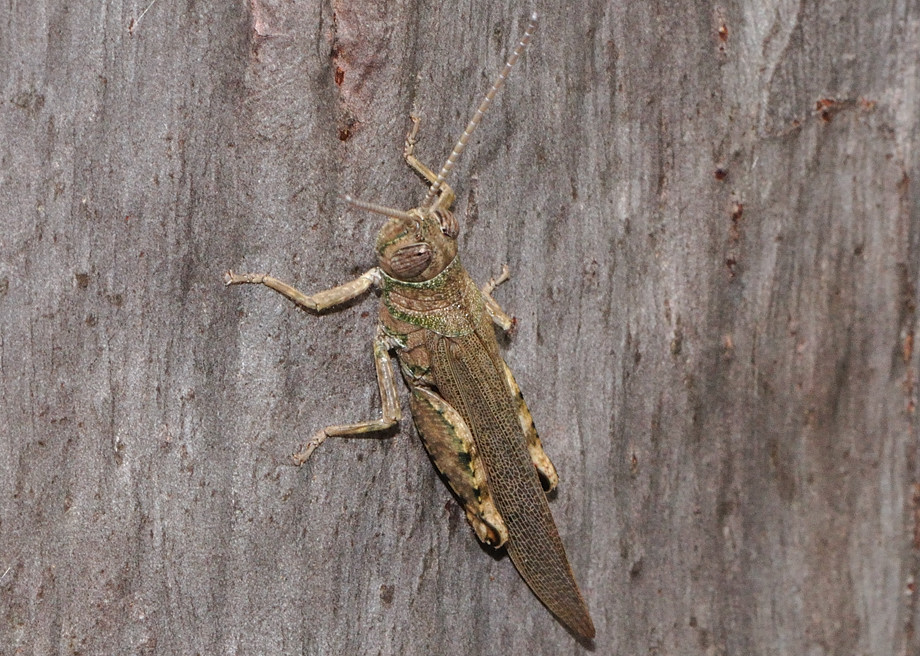
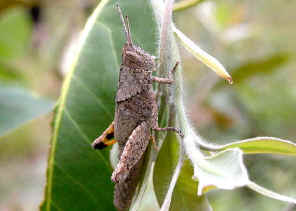
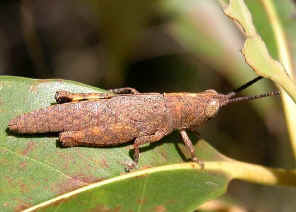
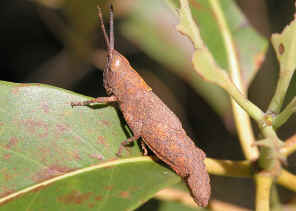
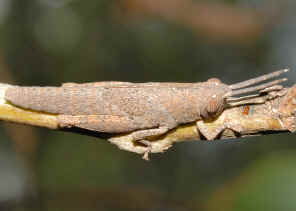
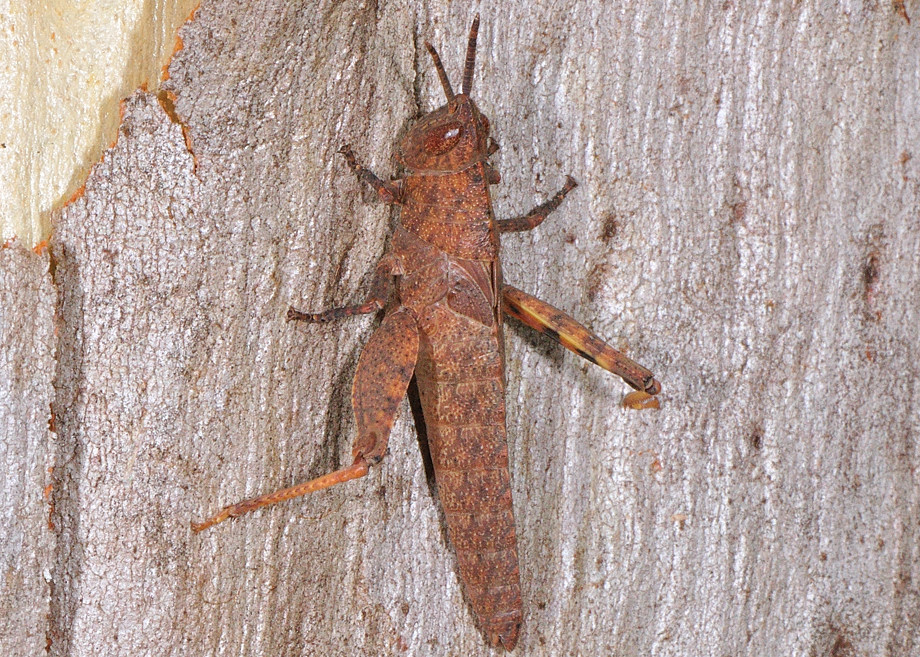
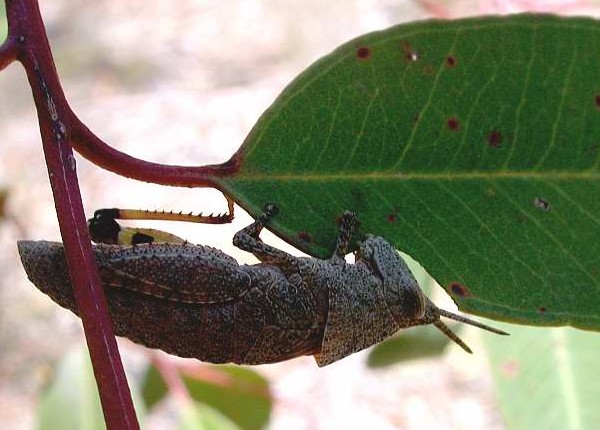
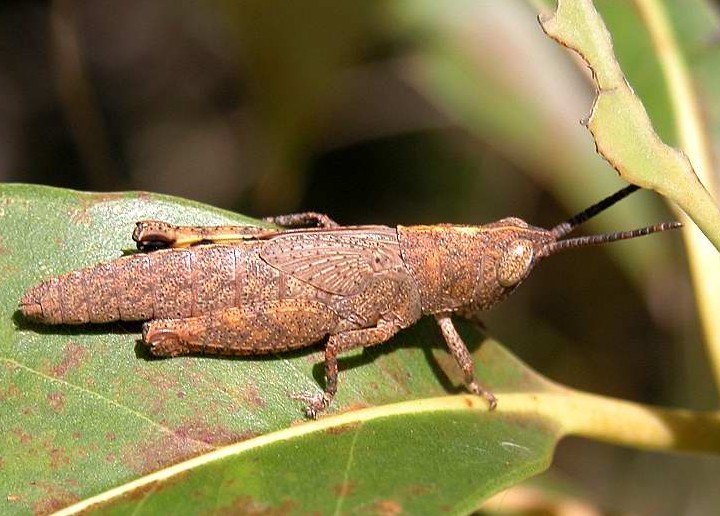
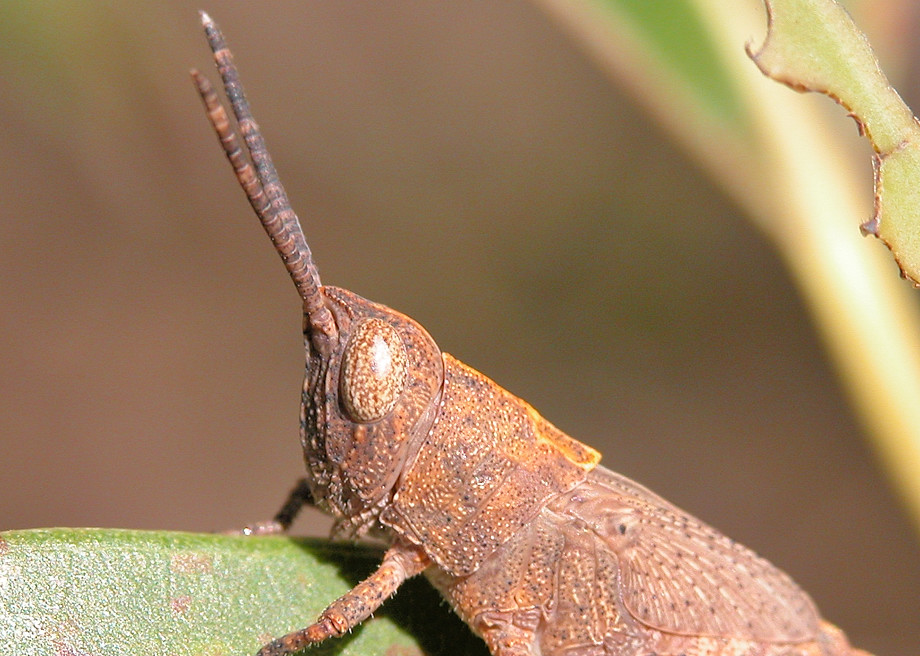
- This is a large grasshopper, with cylindrical and slender body. Their antennae are relatively long. Male's antenna are even longer. They body colours vary from orange brown to dark brown. This grasshoppers is common in Brisbane bushes.
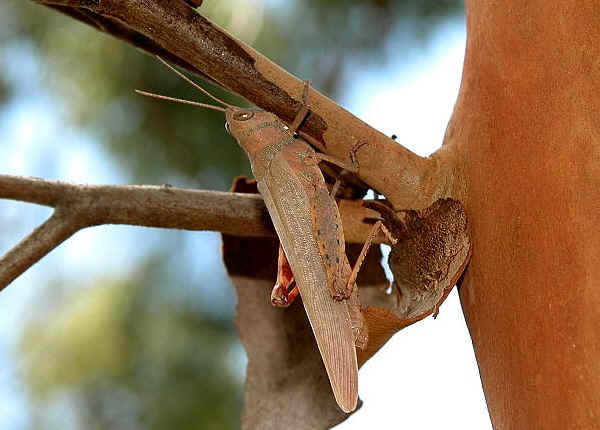

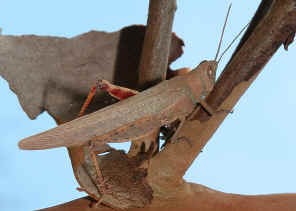
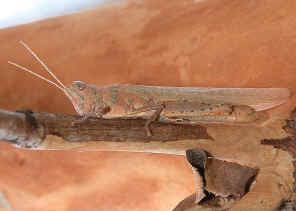
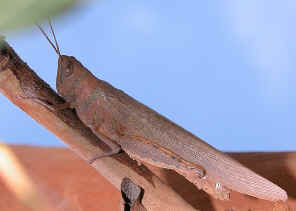
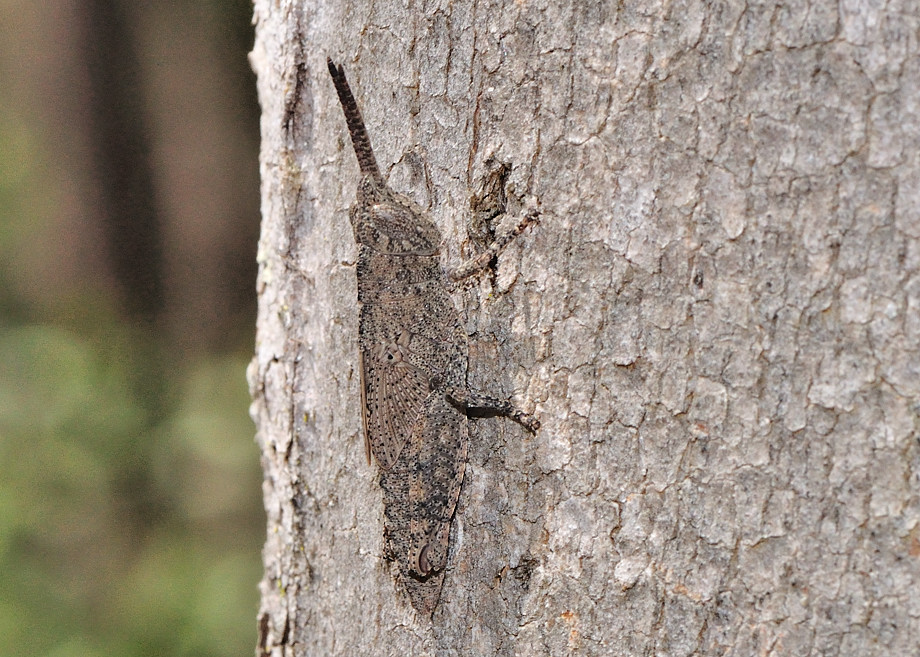
- We found the above adult hiding on stem in Karawatha Forest during mid summer. This grasshopper often found camouflaged as part of the stem.
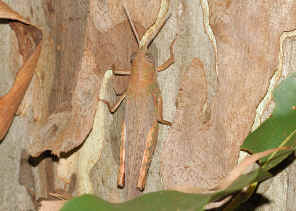
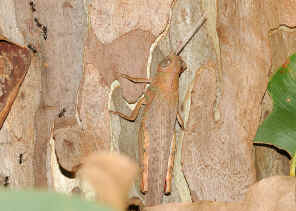
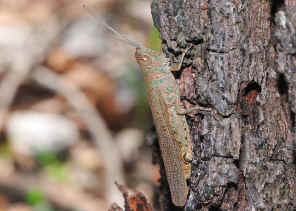
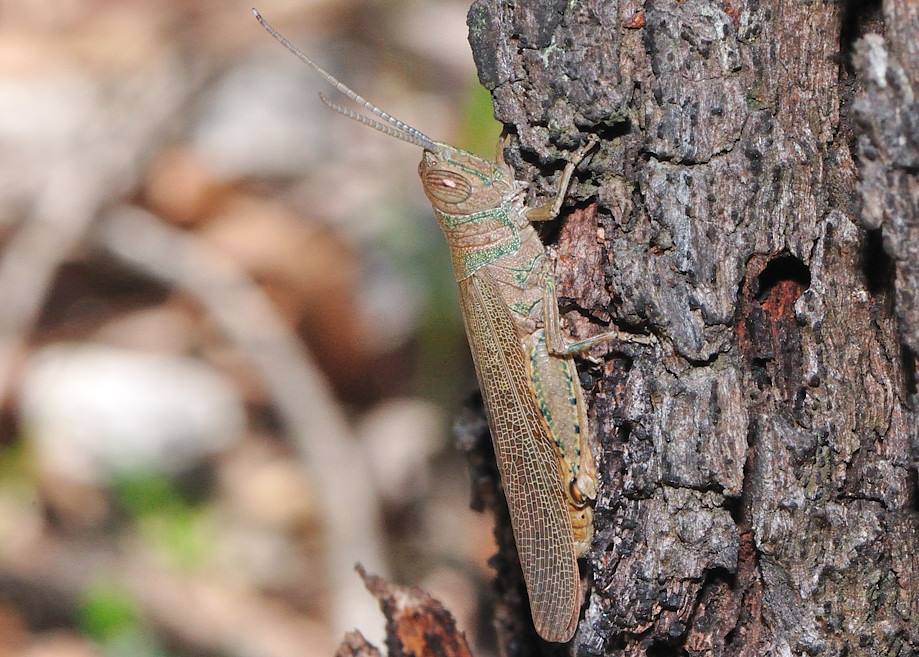
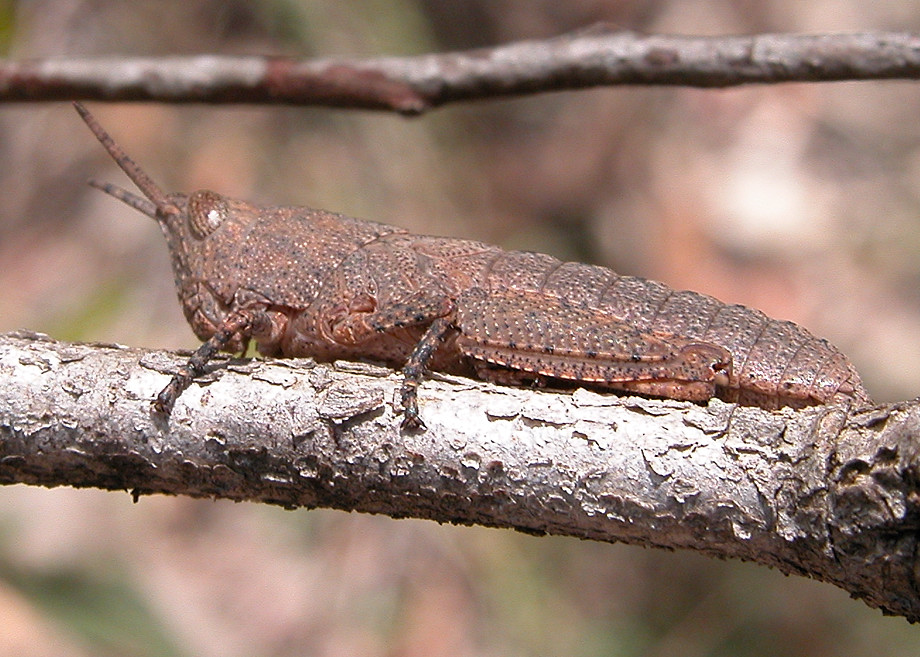
- Males looked about the same as female and smaller in size. Males have longer antenna. Both males and females are fully winged.
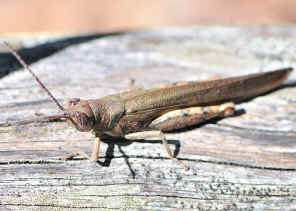
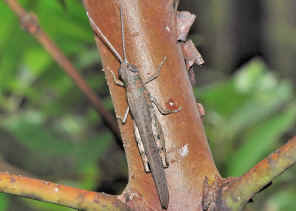
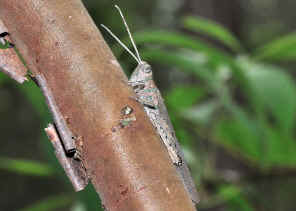
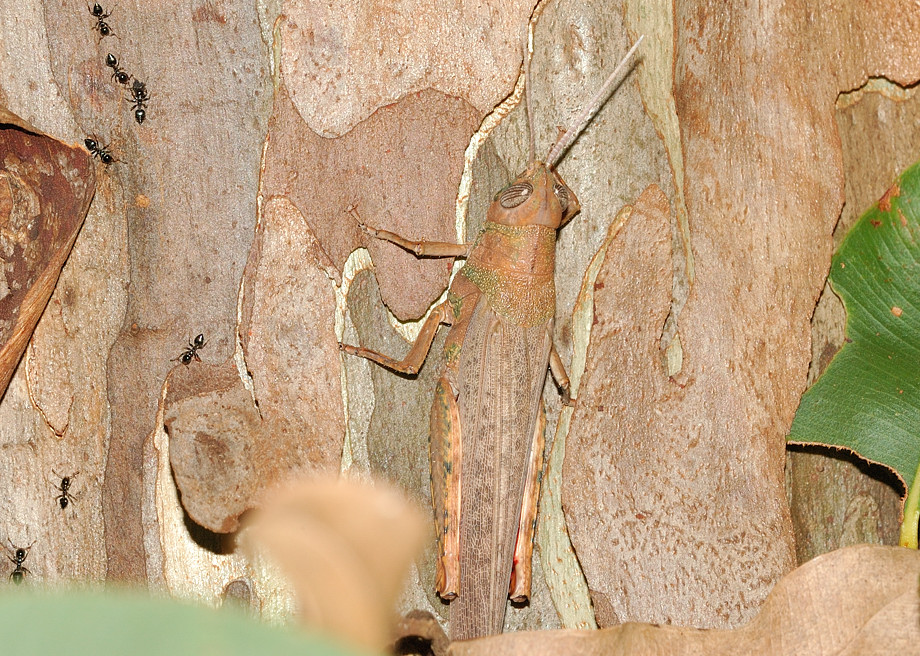
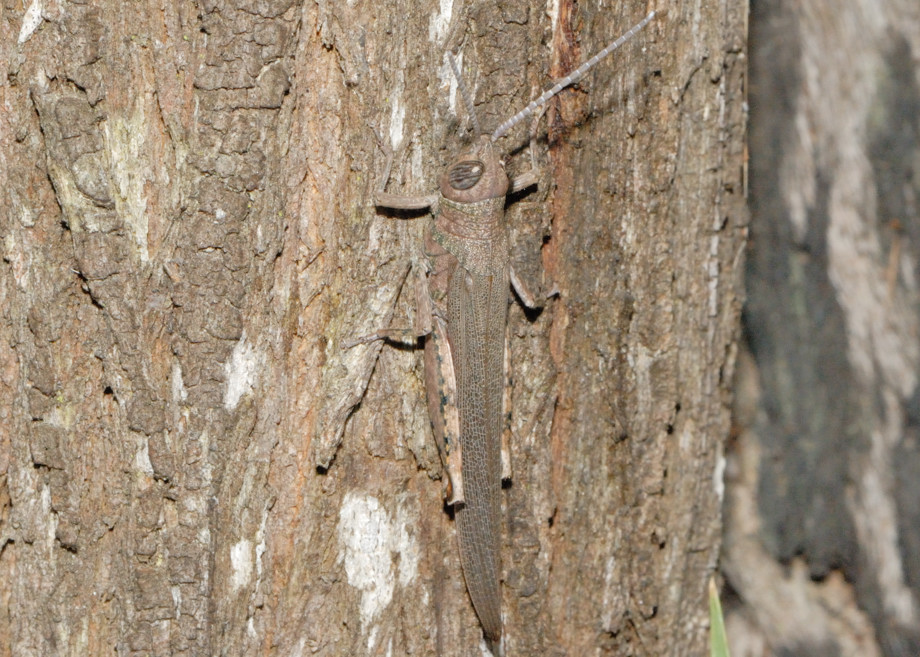
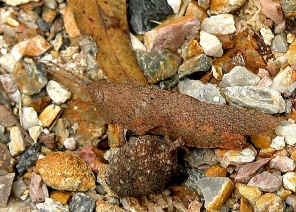
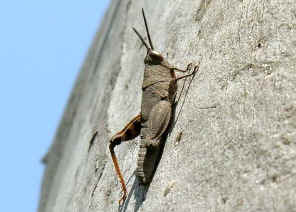
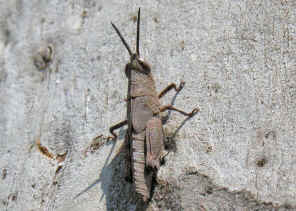
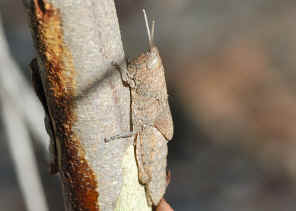
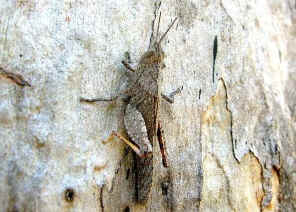
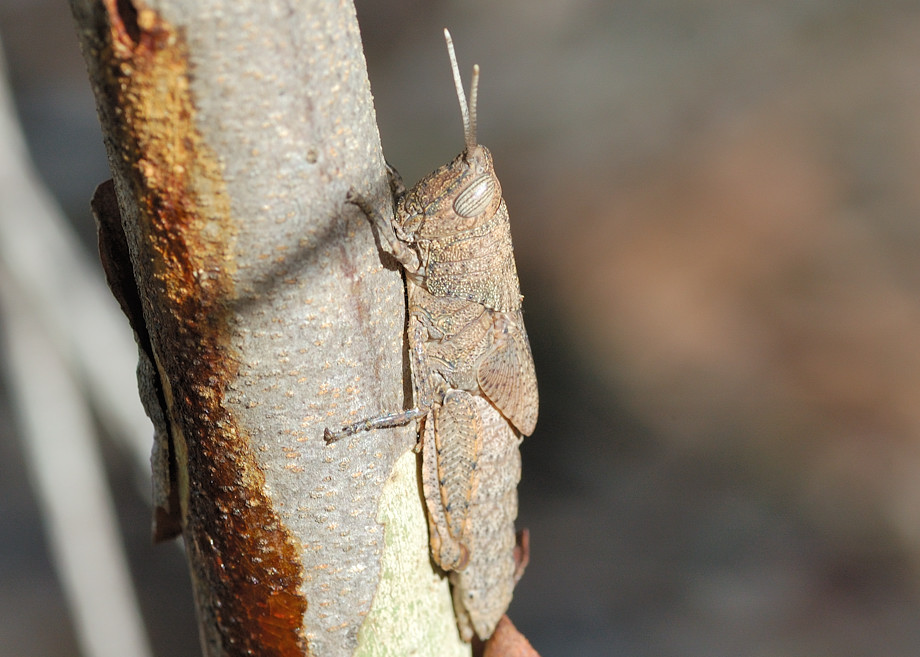
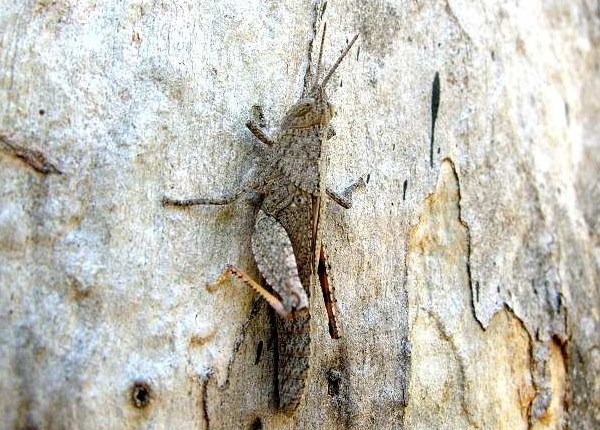
- This grasshopper usually found resting on branches or tree trunk. They are not very active during the day. They rely on the camouflaged colour for protection again predators. They jump and fly away only if come very close and try to touch them.
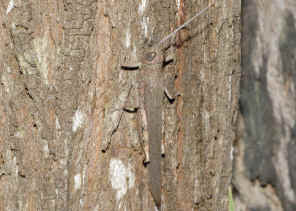
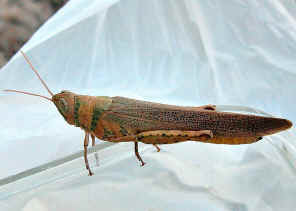
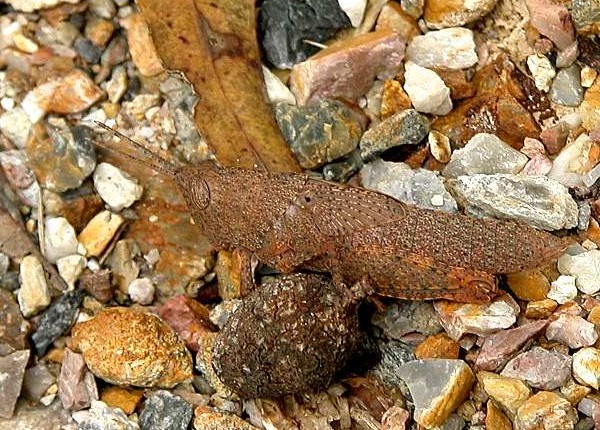
- They can be found resting on ground and on large tree trunk. We collected the nymph and kept it in a jar, fed it with fresh gum leaves. About two weeks later, it moulted and turned into an adult.
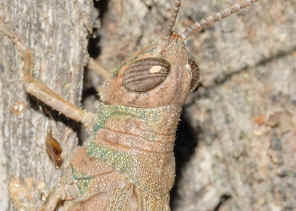
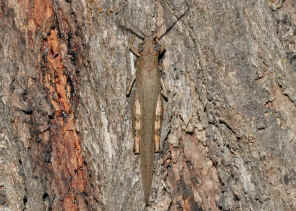
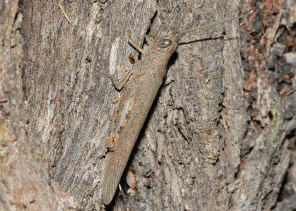
- Their large eyes may suggested they are active at night, but we are not sure yet.


Nymph
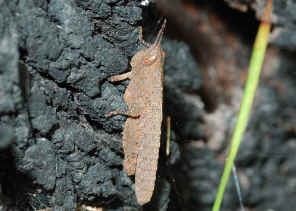
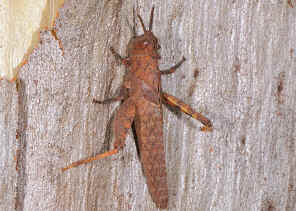
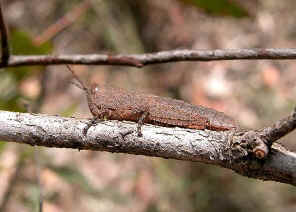
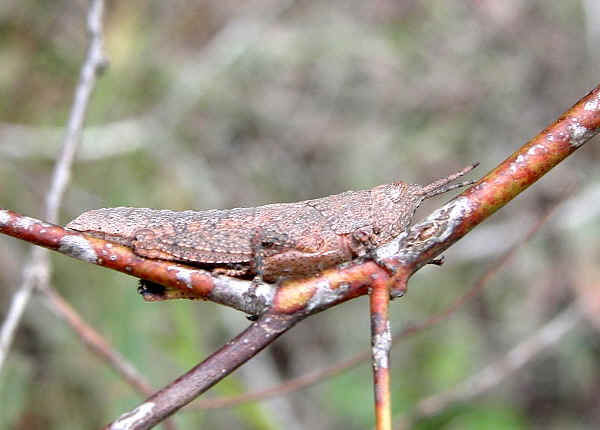
- They are incomplete metamorphosis and their young, the nymphs, look much the same as their adults excepts smaller and wingless. Later instars have wing buds but still cannot fly.
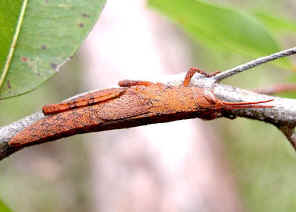
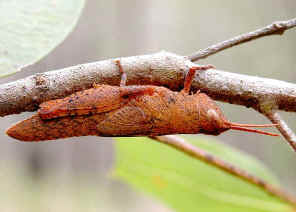
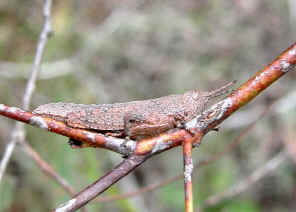
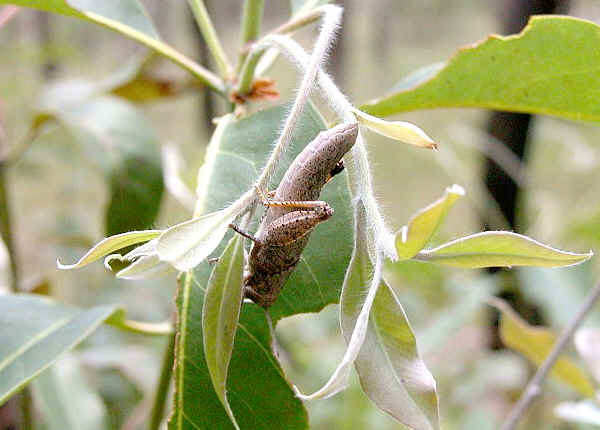
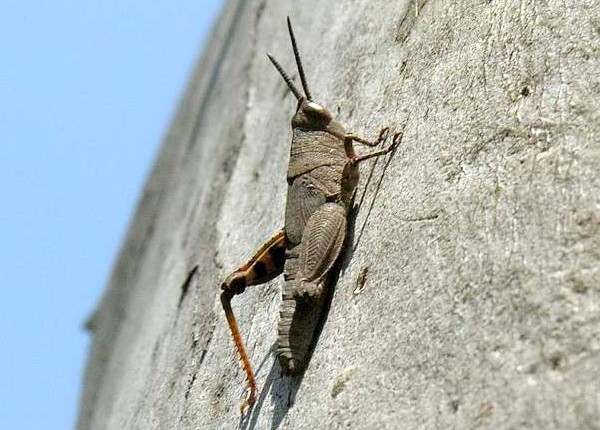
- Nymphs often found resting on branches and camouflage as part of the stem.
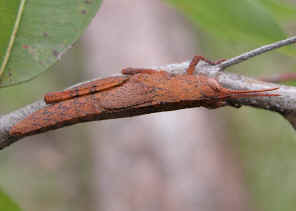
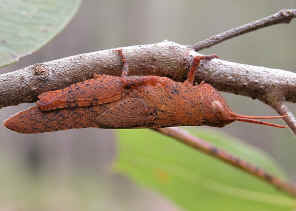
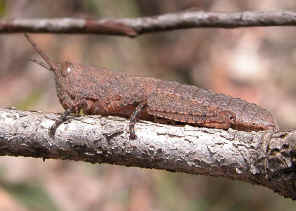
- We found this nymph hiding on tree under stem late afternoon in Karawatha Park during early summer. It was orange-brown with blue dots. The colours was some what different than the other Gumleaf Grasshoppers that we saw.
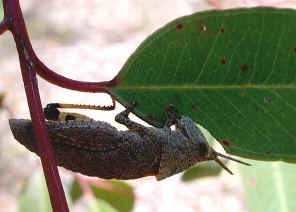
- Their large compound eyes may suggest that they are active at night, but they also found feeding during the day.





- Reference:
- 1. Grasshopper Country - the Abundant Orthopteroid Insects of Australia, D Rentz, UNSW Press, 1996, p188.
- 2. A Guide to Australian Grasshoppers and Locusts - DCF Rentz, RC Lewis, YN Su and MS Upton, 2003, p252.
