|
| |
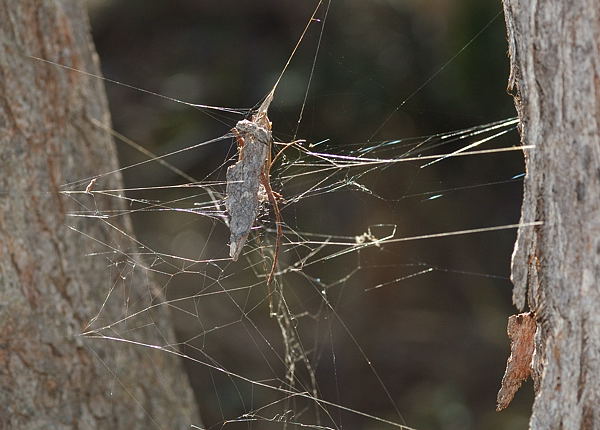
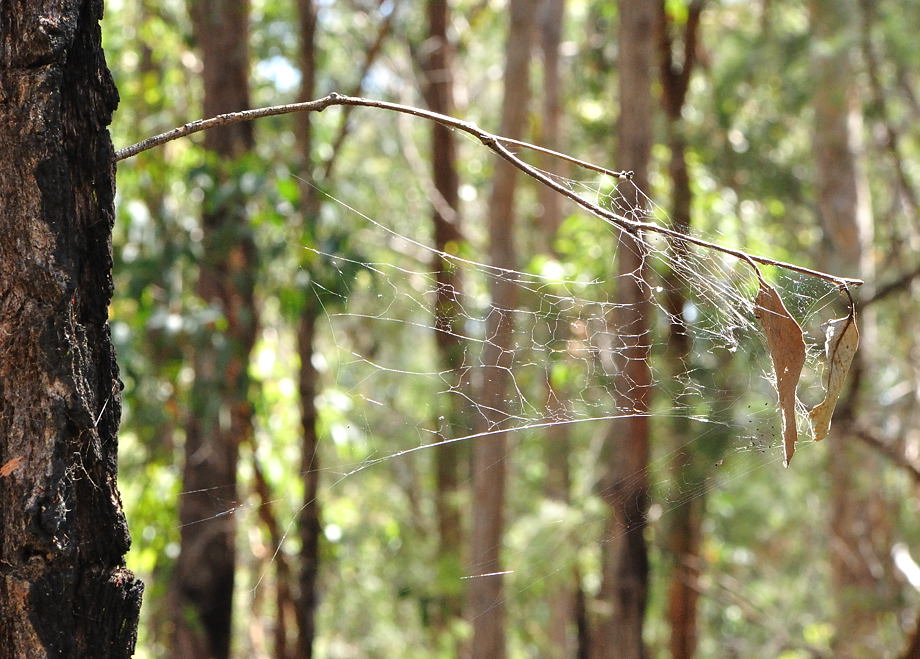
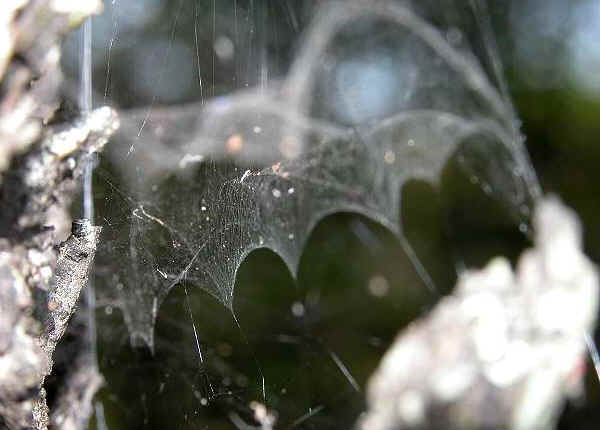
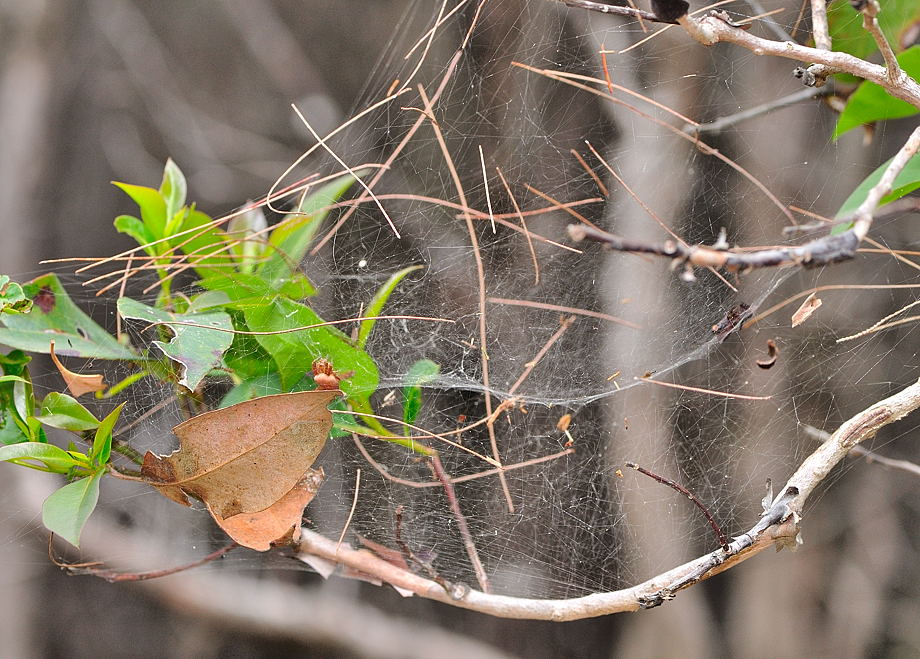
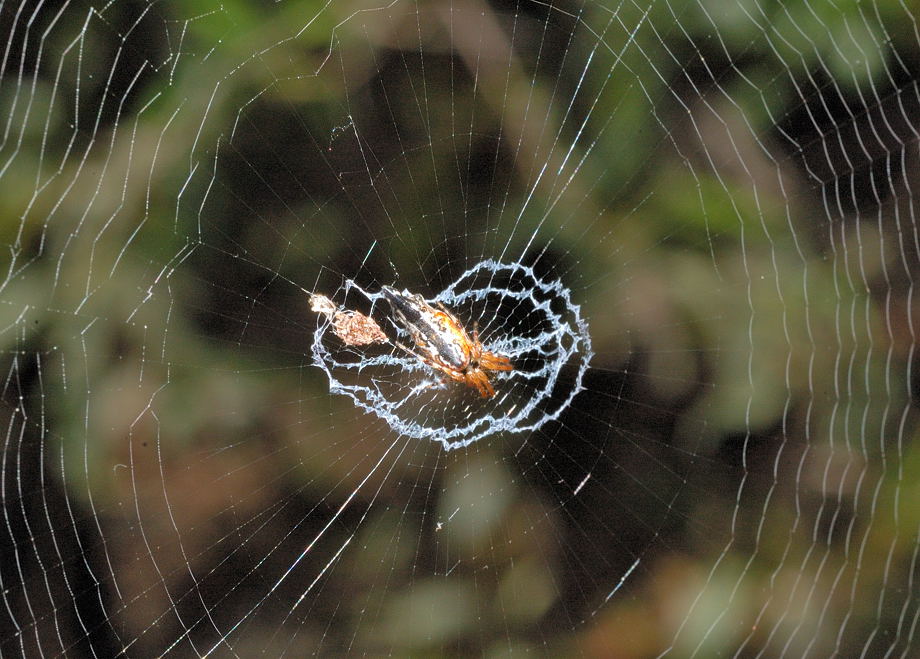
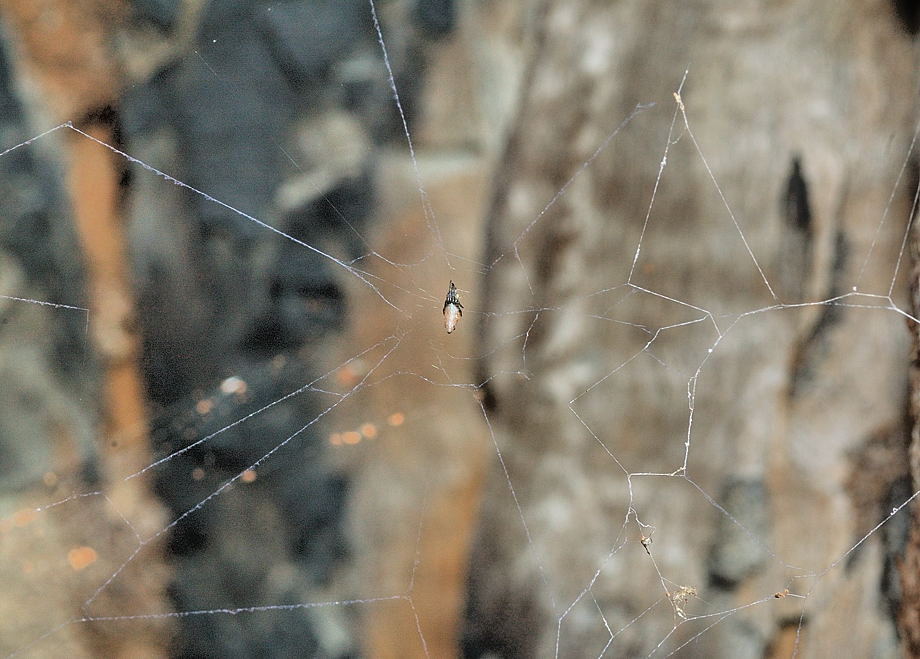
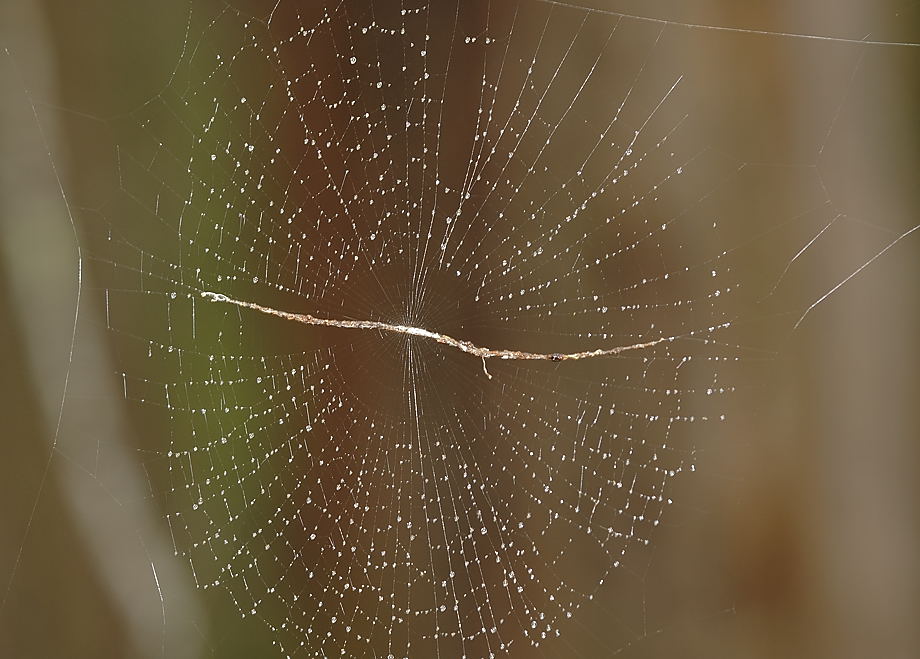
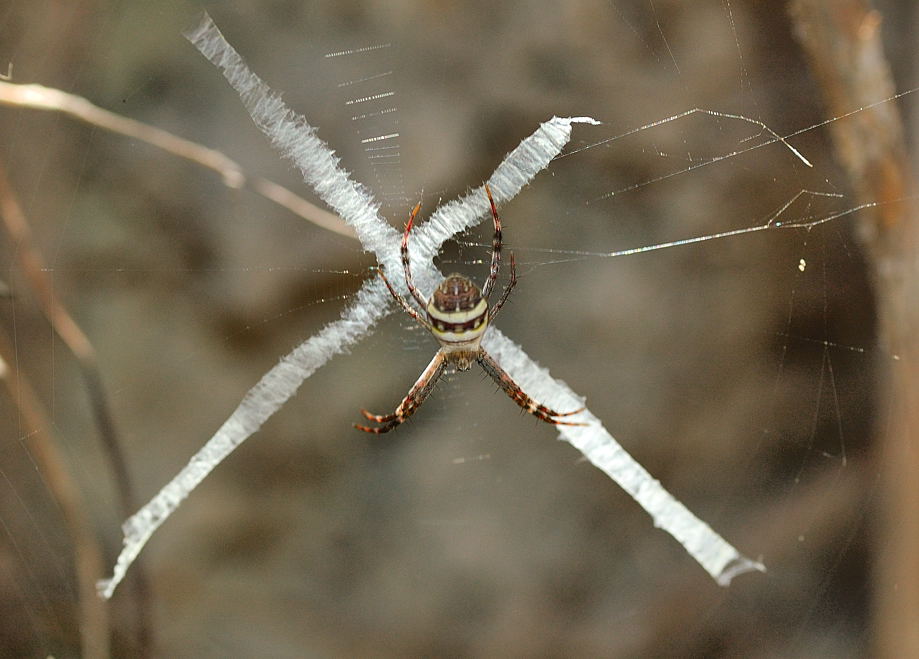
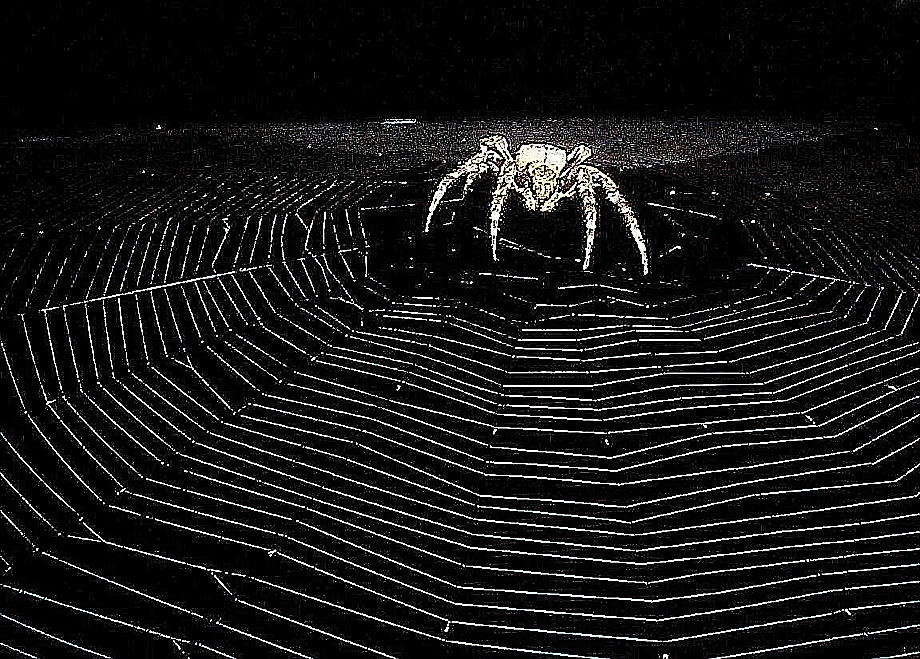
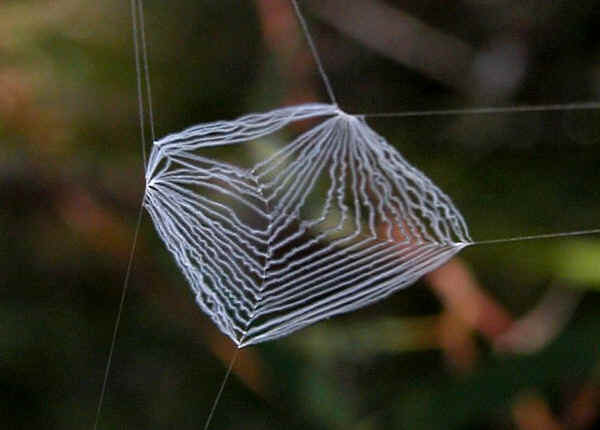
- This page contains pictures and information about Web Building Spiders that we
found in
the Brisbane area, Queensland, Australia. For Spiders that do not build
web, please visit this Hunting
Spiders web site.
-
 -
- Spider once spelt 'spinder' which
simply means 'spinner'. All spiders has their silk glands at their bottom of
their abdomen, the back side of their body. Some spiders build webs and some do not. But all spiders make silk
egg sac to protect their young.
-
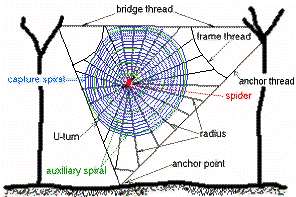 -
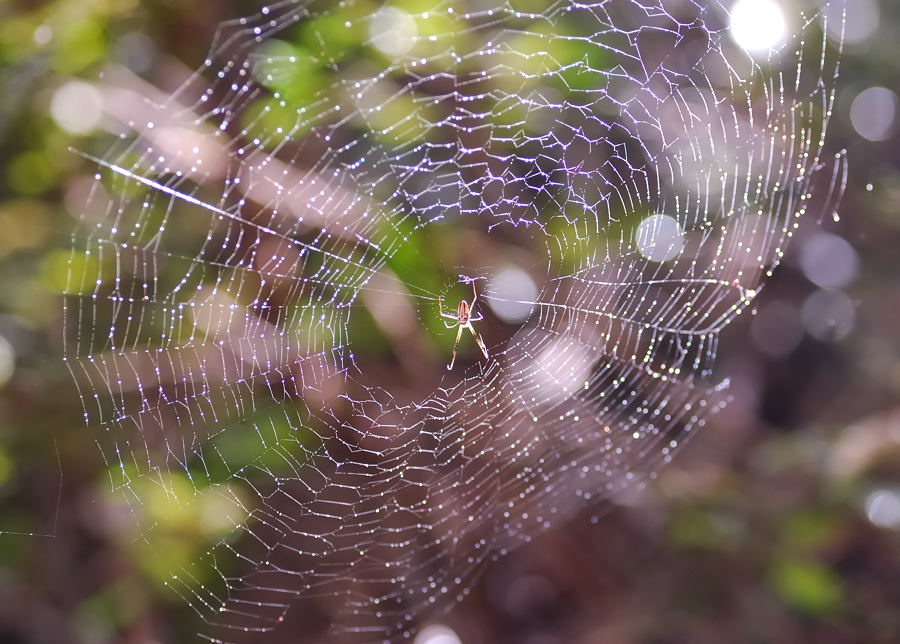
- The spider web is made of different type of spider silk. Spider
generates different type of silk to build different parts of their webs. We have
more information on spider web building in this page.
-
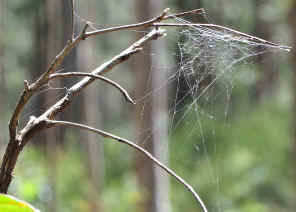
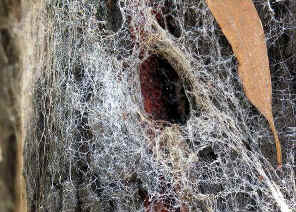
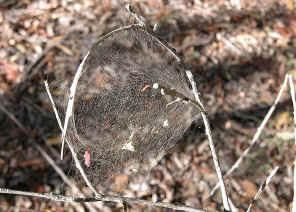
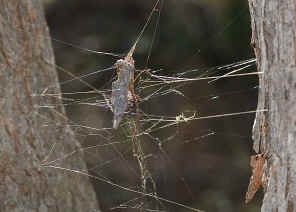
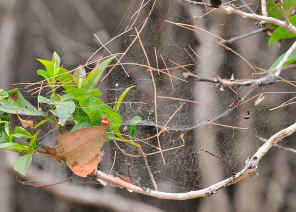
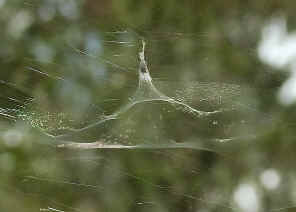
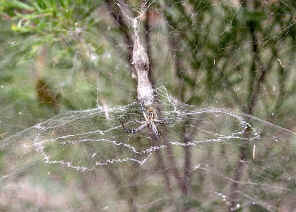
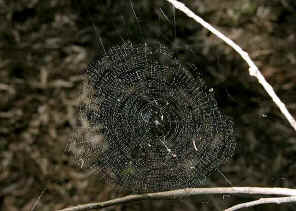
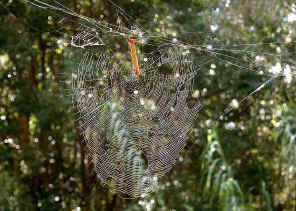
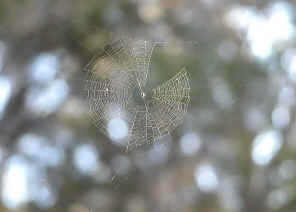
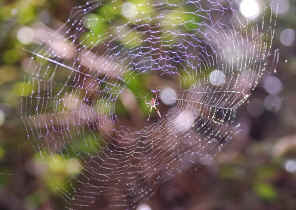
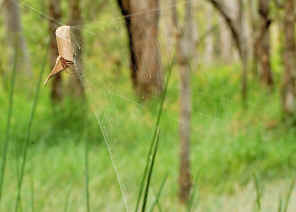
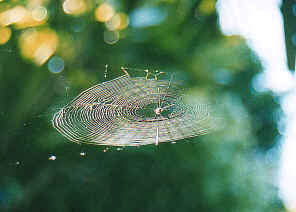
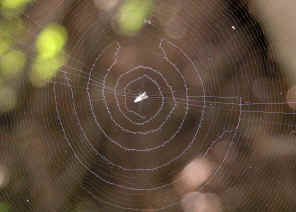
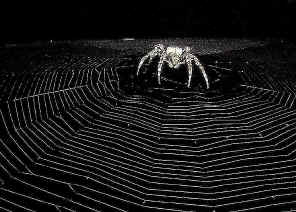
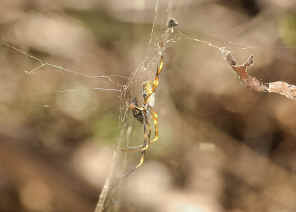
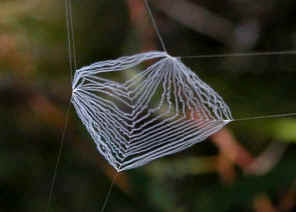
- Following we listed the different types of spider webs we found.
-
-
-


-
 -
 -
-
 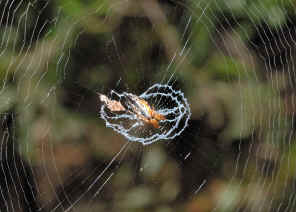
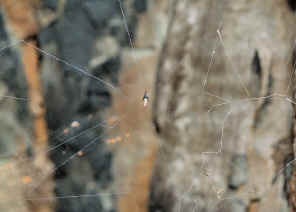 -
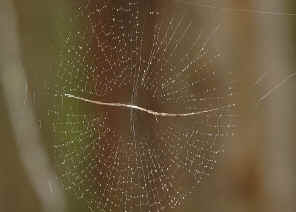 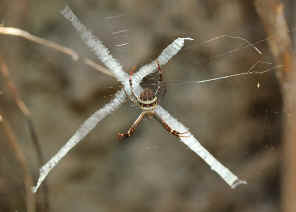  -
  -
- See more about spider in general in Spider
Scientific Facts page. We also has the Quick Field Guide of spiders found in Brisbane.
This includes most of the common species found in Brisbane near-by area and
South East Queensland, Australia. See more about the garcinia cambogia fruit on this
website with resources about weight loss
supplements.
Orb Web Building Spiders
- All orb-web building spiders were previously included in
one family Araneidae, or in the older literature called Argiopidae.
-
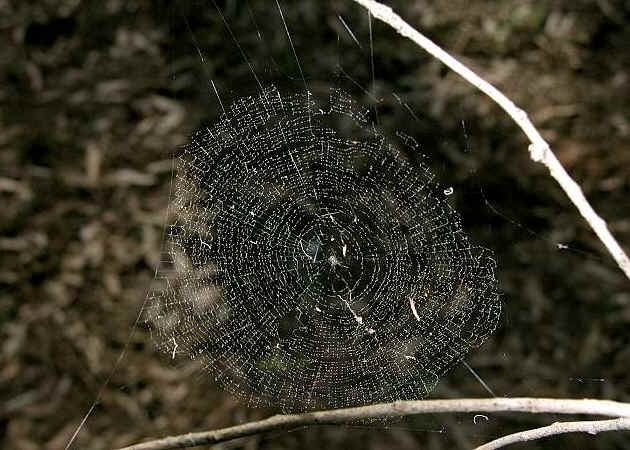
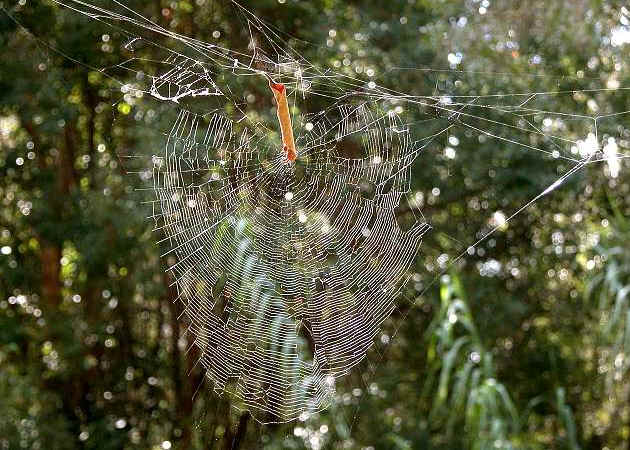
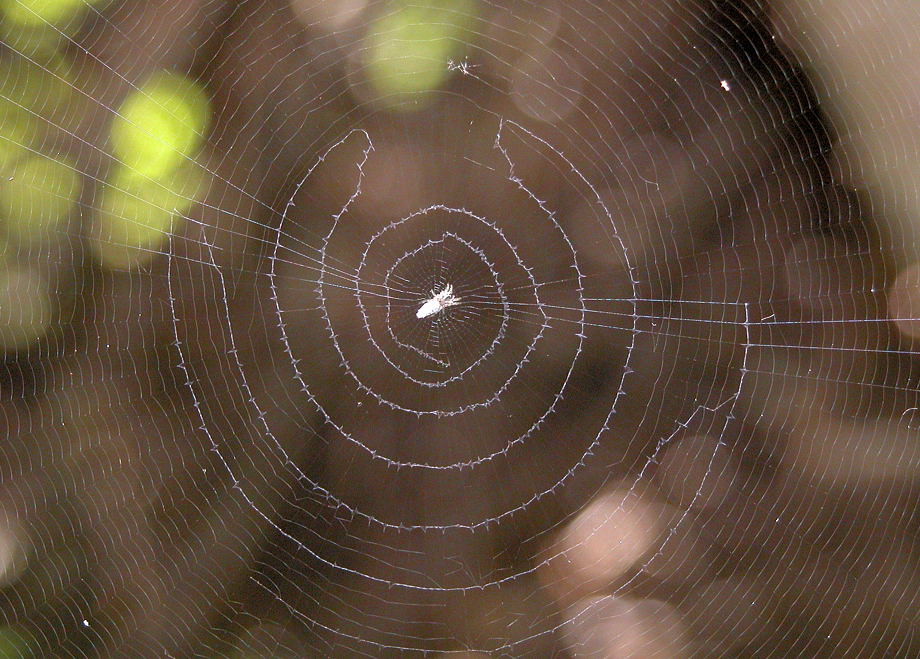
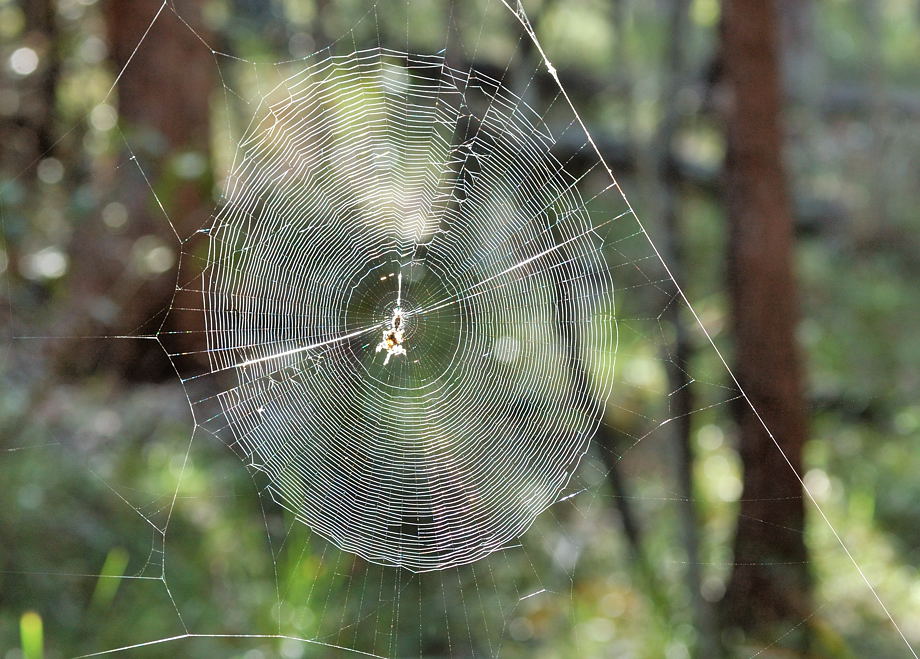
- Different families was separated from Araneidae due to certain morphological differences and the way in which they capture and consume their prey. Araneidae build orb webs with dense
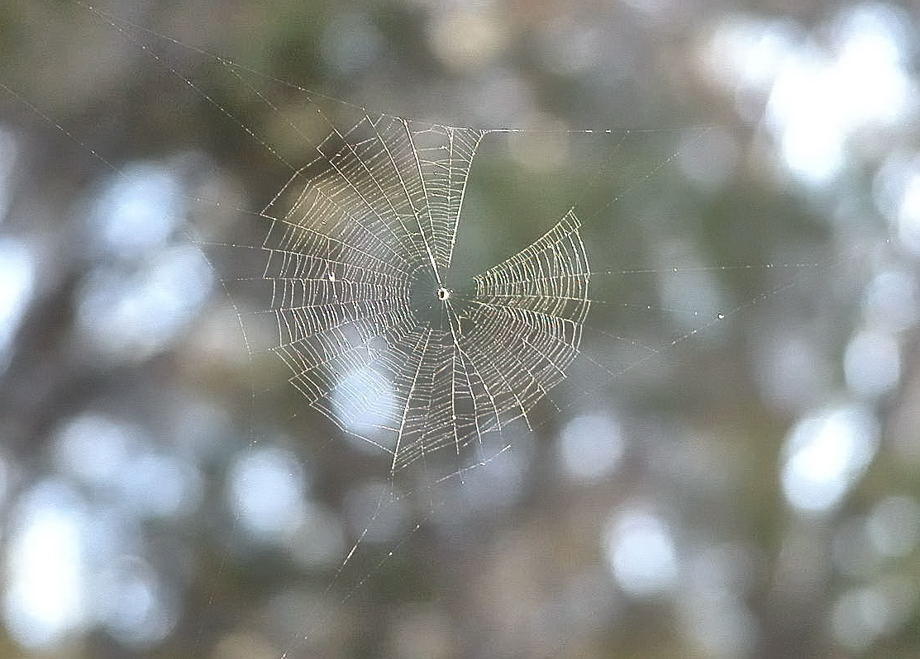
center while Tetragnathidae and Nephilidae build orb webs with open centre.
-
-
 Family:
Araneidae, Orb web spiders Family:
Araneidae, Orb web spiders
- The family name Araneidae is now preferred, in the older literature
they are called Argiopidae, which included all orb web building spiders, which
are now separated into other families. This is a large family. The spiders in
this family range from small to large in side. All species in this family, if they make webs,
make vertical or horizontal orb webs.
-
-
-
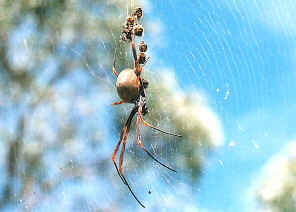 Family
Nephilidae,
Golden-web Spiders Family
Nephilidae,
Golden-web Spiders
-
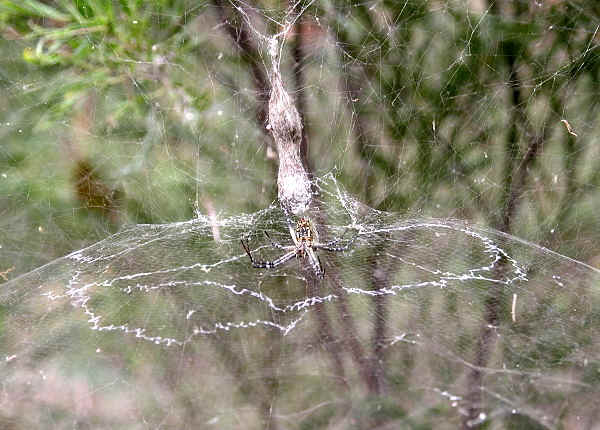
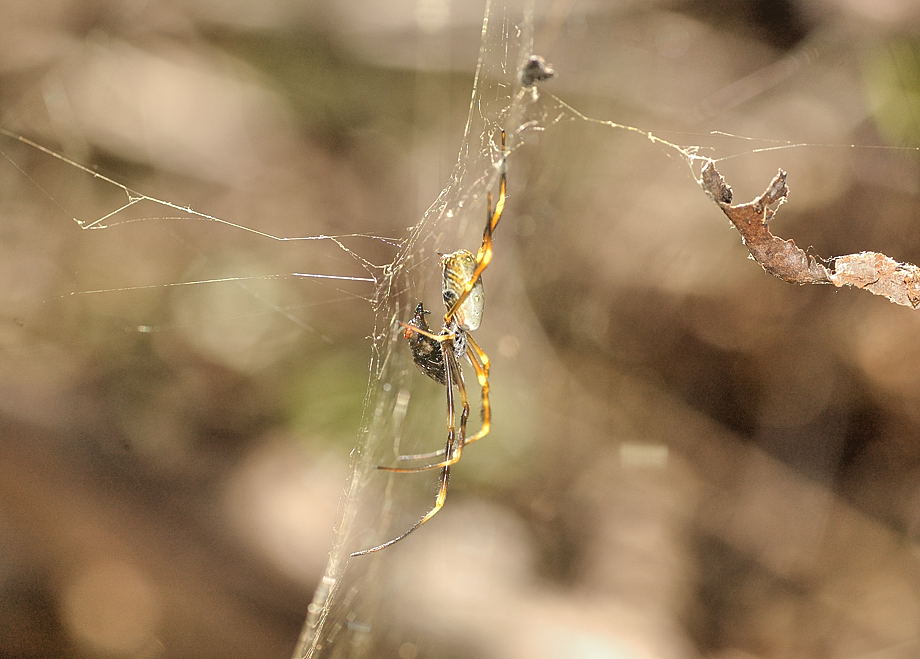
The group has only recently been raised to family level status. It
includes the Australia's biggest spiders, the Golden Orb Weavers. They were formerly grouped in the families
Araneidae and Tetragnathidae.
-
-
-
-
 Family:
Tetragnathidae, Stretch spiders,
Long-jawed Orbweavers Family:
Tetragnathidae, Stretch spiders,
Long-jawed Orbweavers
- This family is newly separated from the family Araneidae. They also
build orb webs, but a little different from Araneidae. They build orb webs
with open centre while members in family Araneidae build orb webs with dense
center.
-
-
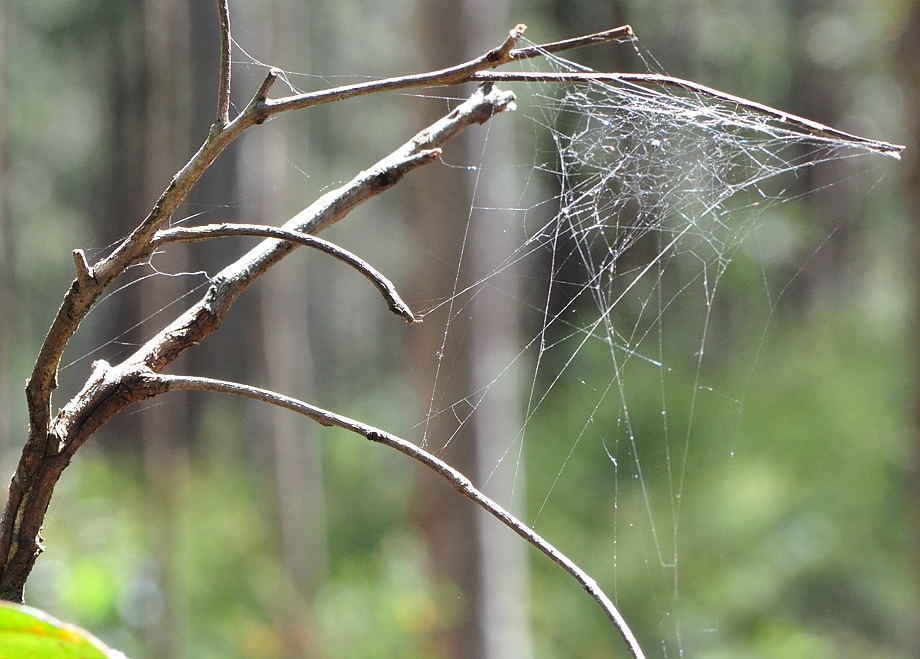
Tangle Wed Building Spiders
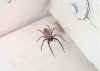 Family:
Desidae, House spider Family:
Desidae, House spider
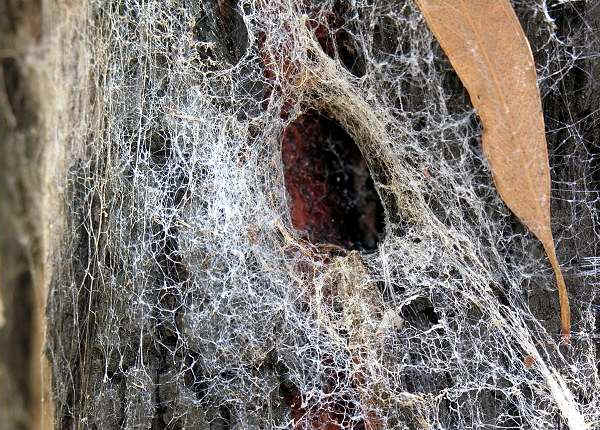
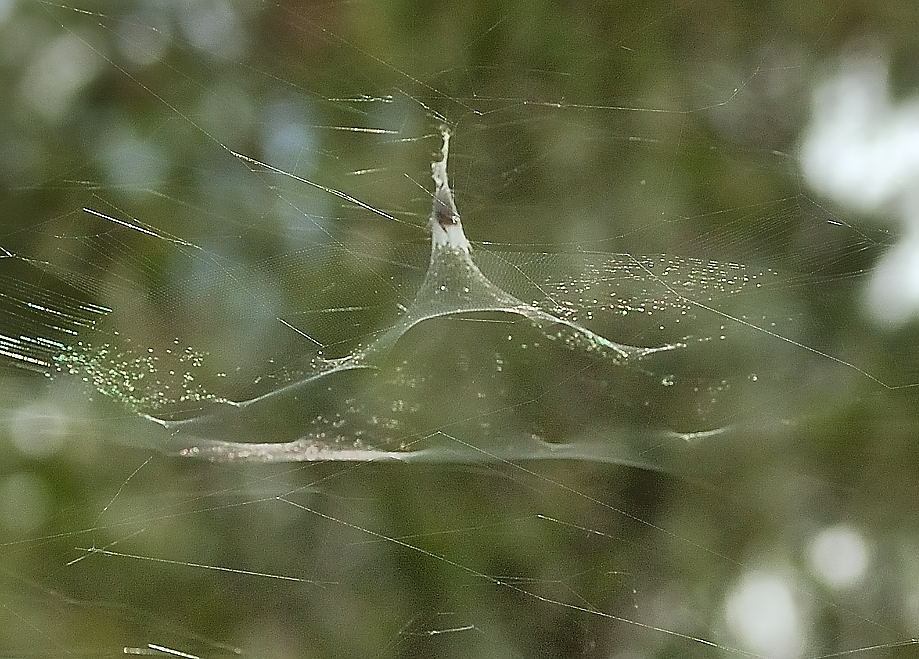
Spiders in this family are small to medium size spiders, with round or oval
abdomen dark or brown in colour. Their eight eyes are in two rows of four. They
build tangled web with a tubular retreat, so they are also called 'cobweb'
spiders. The egg sac is made in the funnel and the male often stays with the
female.-
-
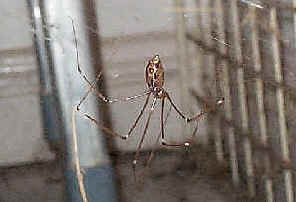 Family: Pholcidae, Daddy long-leg spiders Family: Pholcidae, Daddy long-leg spiders
- They are small spiders with very long, thin legs. Eight pearly eyes in
three groups, three eyes group in each side and two in the middle.. The abdomen
is long and cylindrical. The female warps the eggs with a few stand of silk and
hold in her chelicerae.
-
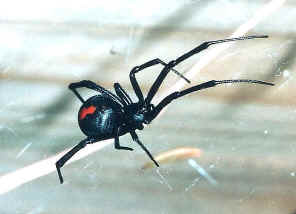 Family:
Theridiidae, Comb-Footed Spiders Family:
Theridiidae, Comb-Footed Spiders
- They are commonly called Comb-Footed Spiders. The famous Red Back Spider is
in this family. Usually they build tangled
webs under stones, against fences or walls. The distinguishing feature of this
family is the row of spines on the tip of the fourth legs, which are used to
comb out wide swathes of silk to entangle their prey. Their eyes are in two
rows of four.
Web Casters
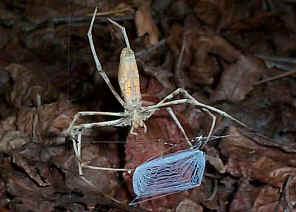 Family:
Deinopidae, Net-casting spiders Family:
Deinopidae, Net-casting spiders
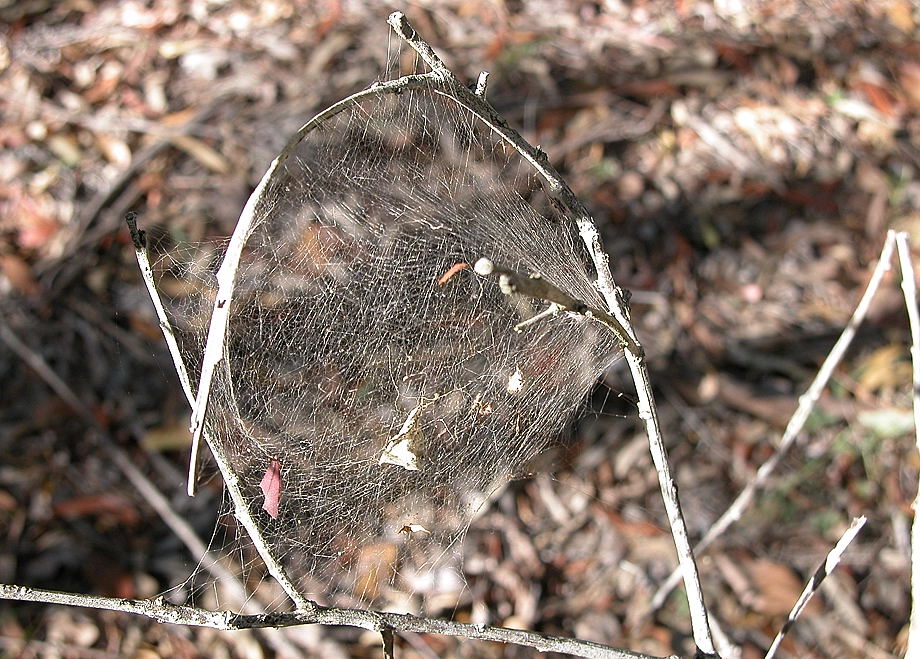
- Species in this family are large and slow moving spiders. They have long body and stick like
legs. Their bodies are light brown or grey in colour. They do not build
permanent web, instead, they hold their net and throw it towards their prey.
Net-casting spiders are active at night. They hide in the middle of the plants
over leave or ground waiting for prey passing by.
-
Cribellate Spiders
 Family
Uloboridae, Uloborid spiders Family
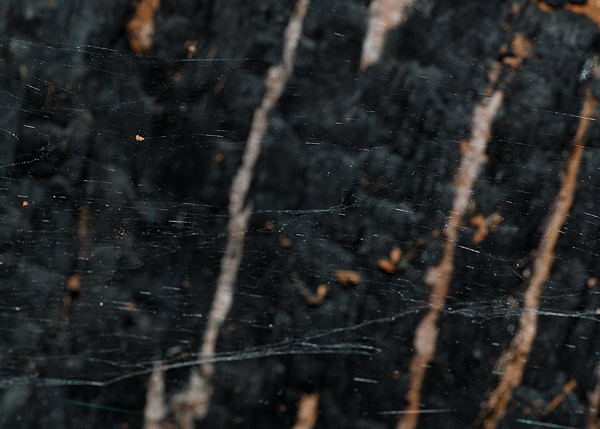
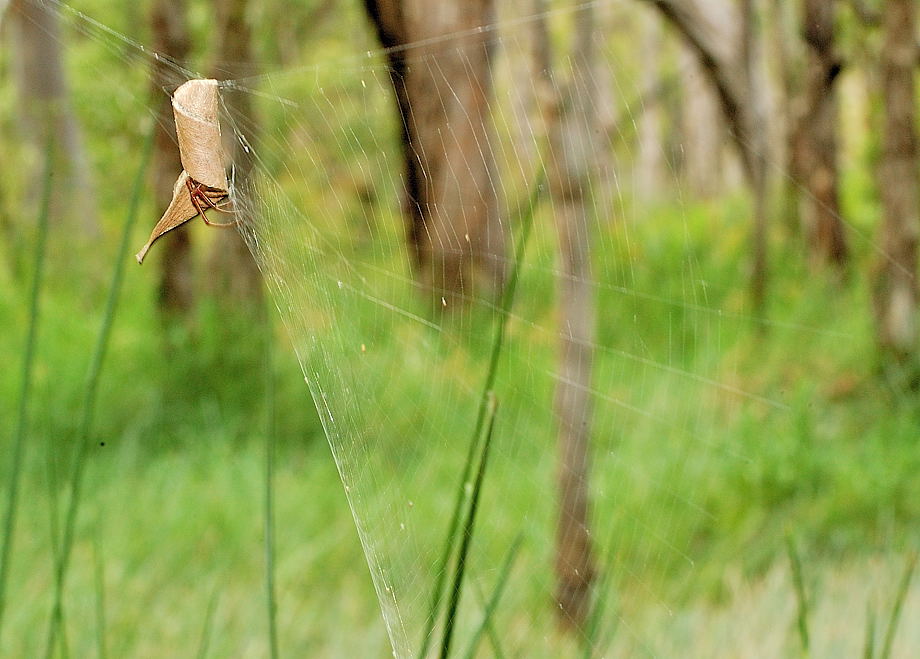
Uloboridae, Uloborid spiders- Spiders in this family do not have poison glands. They capture prey only
rely on wrapping by silk. They build small incomplete orb web, mostly
horizontal, usually not as perfect as those built by spiders in other web
building families. They use different type of silk, known as cribellate
silk which is woolly appearance. Those spiders sometimes find live in group
with individual webs loosely connected.
-
-
- Unknown Spiders
- In this page there are the spiders that yet to be identified. Please advise
if you know any of them.
-
- For Spiders that do not build
web, please visit this Hunting
Spiders web site.
-
Back to top
[ Spider Scientific Facts ] [ How spider builds its web ? ] [ Nephilid Spiders ] [ Long-jawed Orb Weavers ] [ Lace Wed Spiders ] [ Daddy Long-leg Spiders ] [ Comb-Footed Spiders ] [ Net-casting Spiders ] [ Uloborid spiders ] [ Unknown Spiders ]
| |
|