|
|
Common Gum Tree Shield Bug - Poecilometis patruelis (Eumecopus patruelis)
Family Pentatomidae
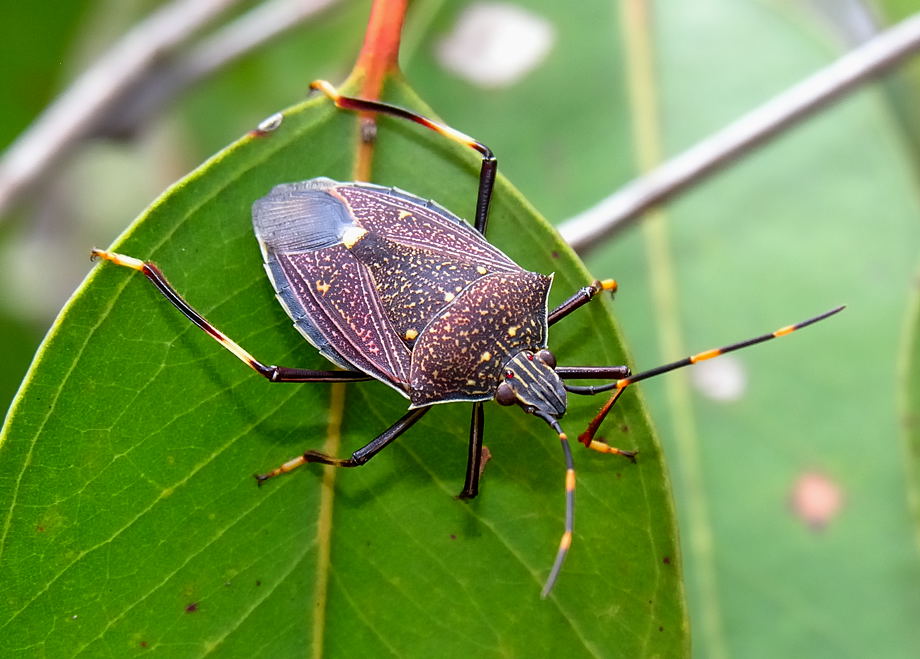
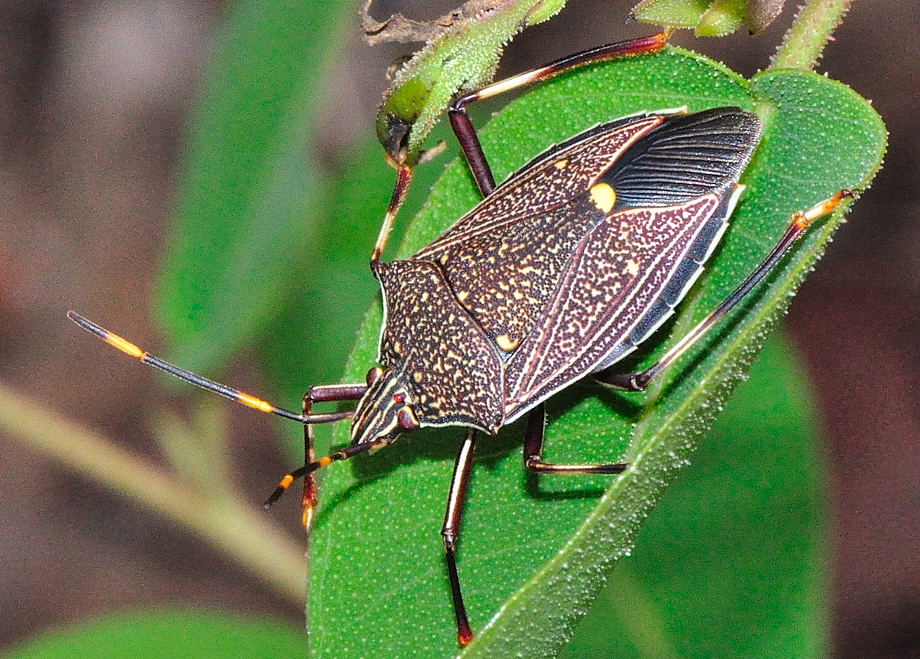
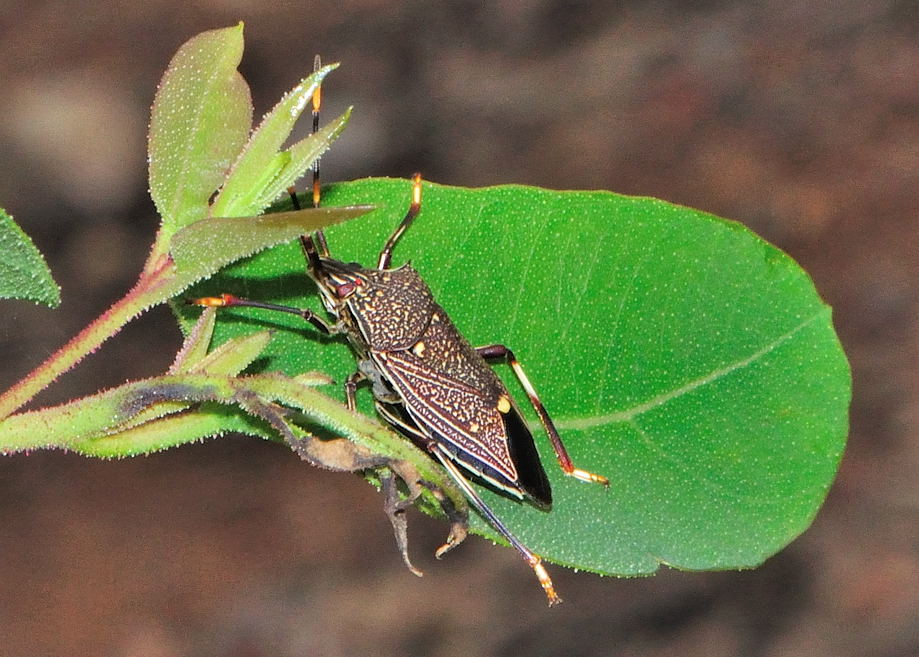
This page contains pictures and information about Common Gum Tree Shield Bugs that we found in the Brisbane area, Queensland, Australia.
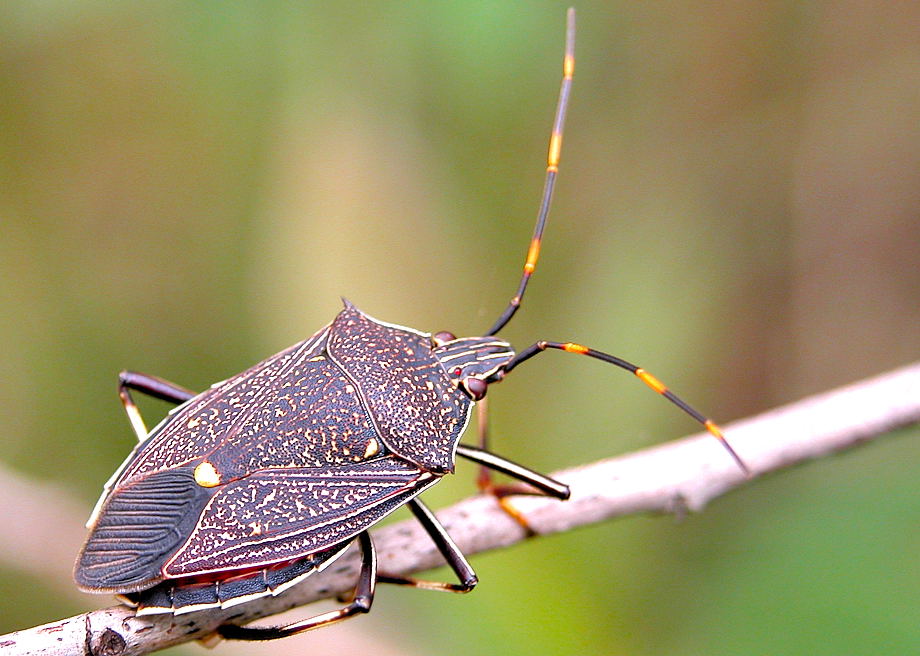
- Body length 25mm
- Common Gum Tree Shield Bugs are also known as Eucalypt Shield Bugs. They are common in Brisbane forest and bushland. Many related species look similar. Bugs in this Pentatomidae family are known also as stink bugs and produce foul smelling defensive liquids. Most animal, including human, learnt about their stink liquid weapon and will avoid contact with them.
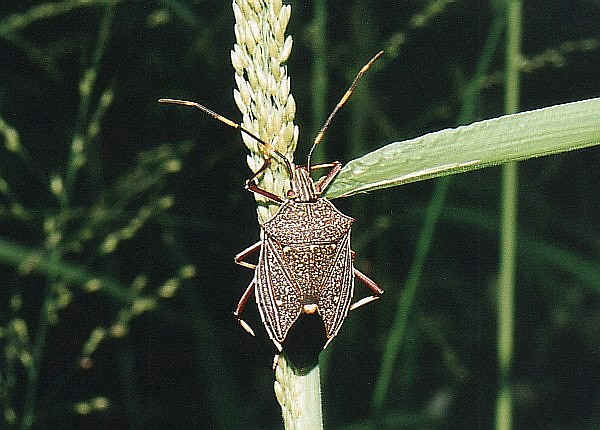
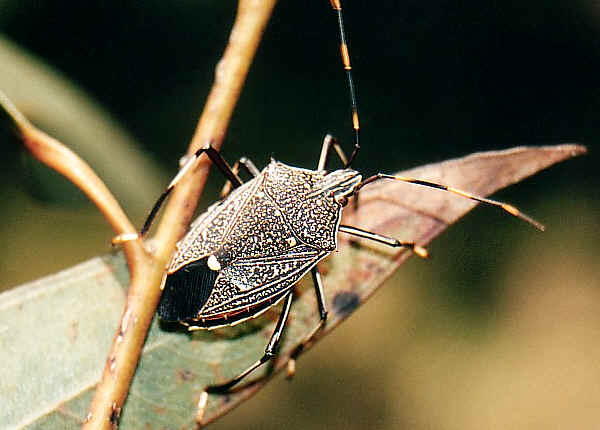
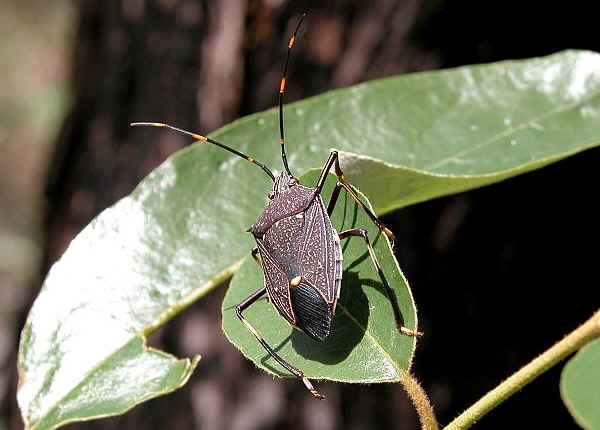
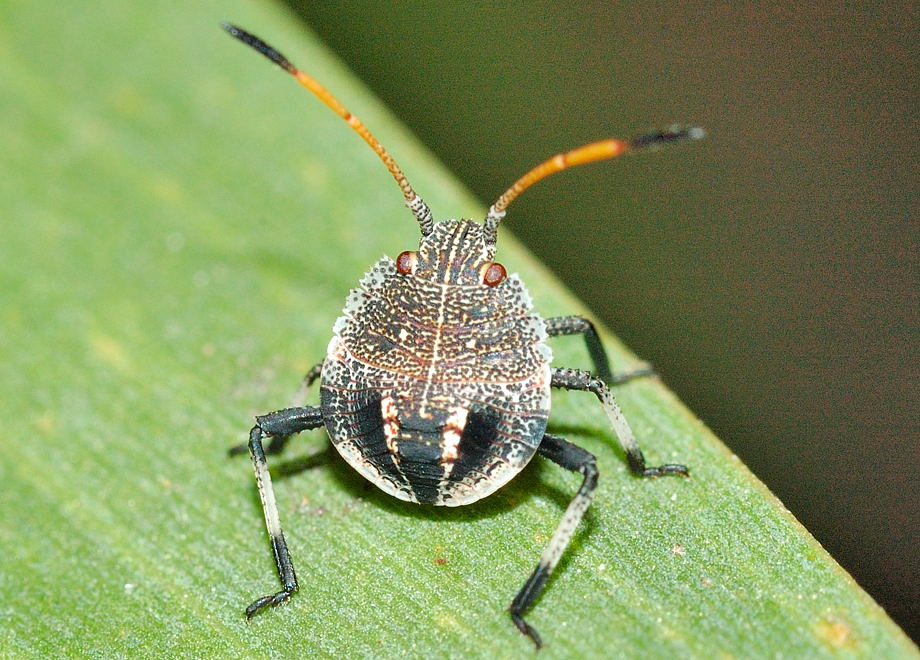
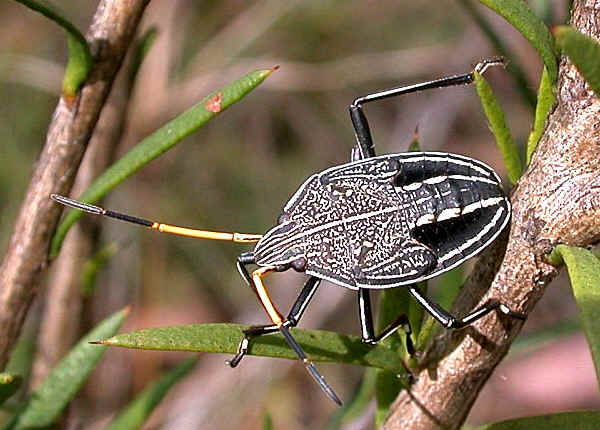
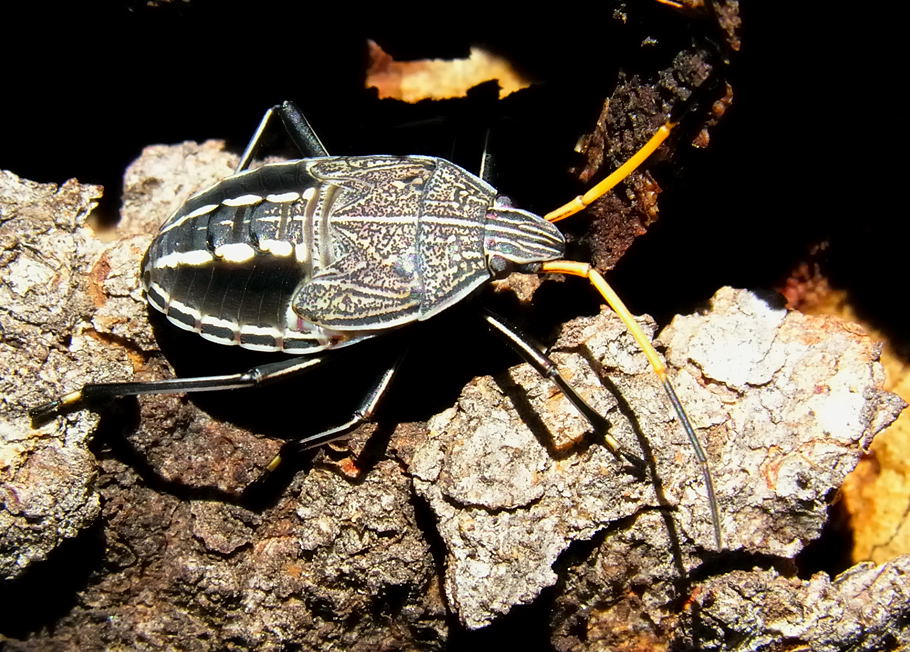
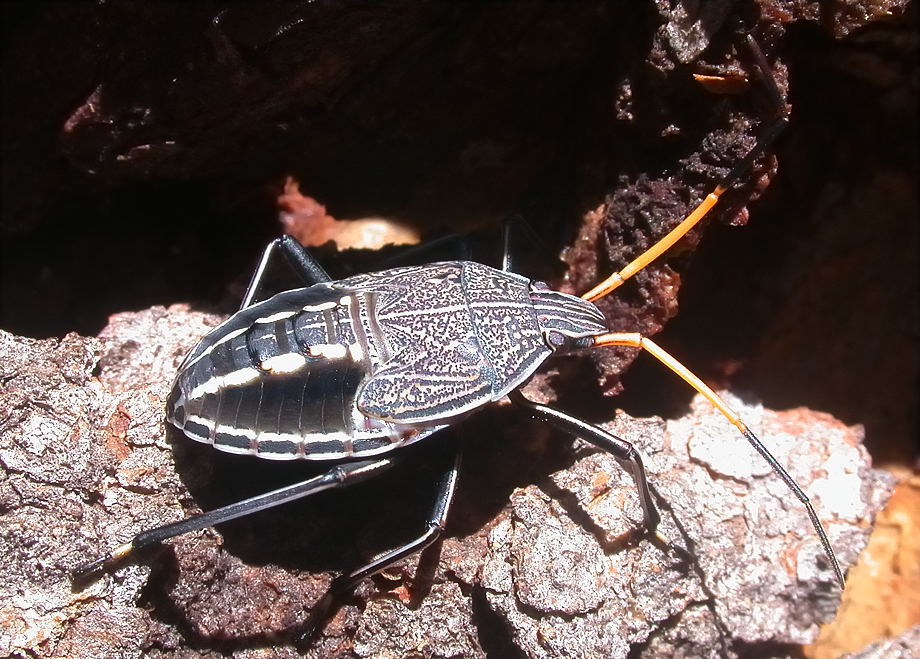
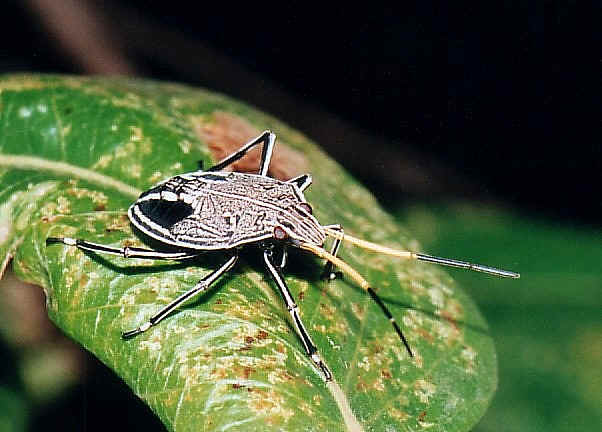
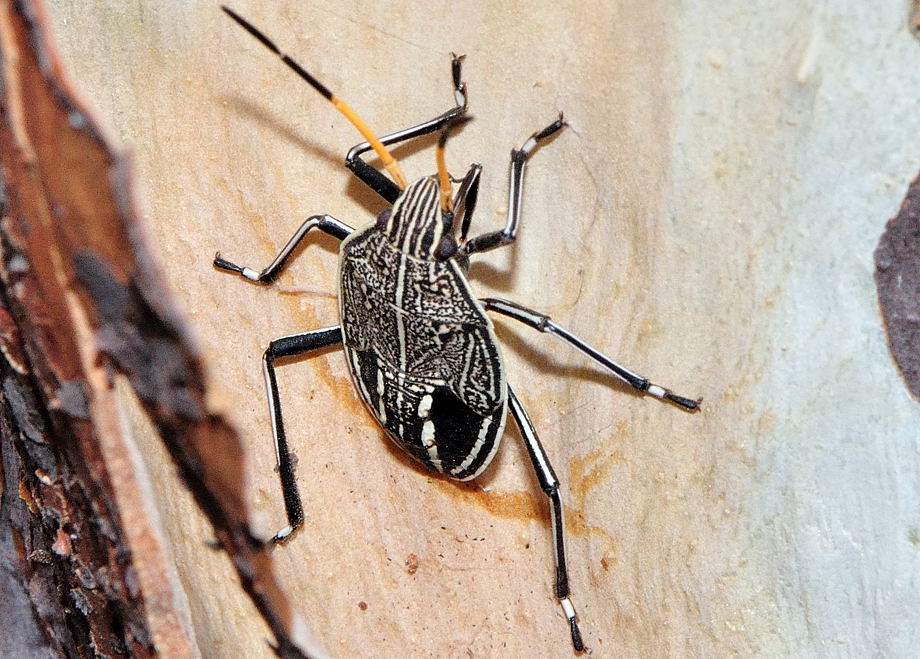
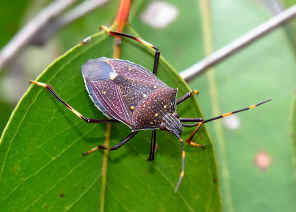
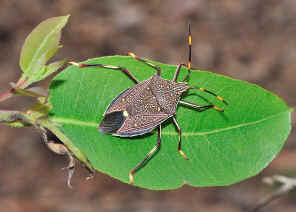
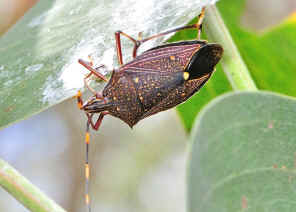
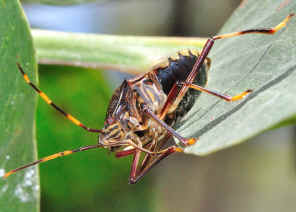
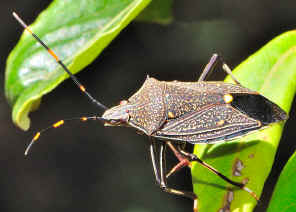
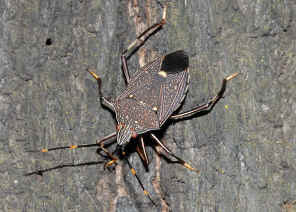
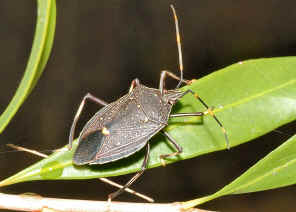
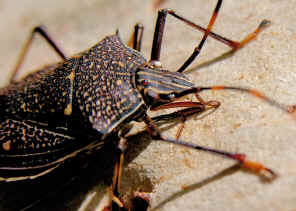
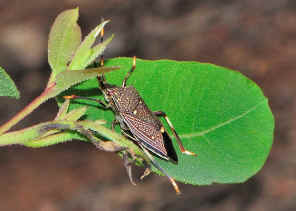
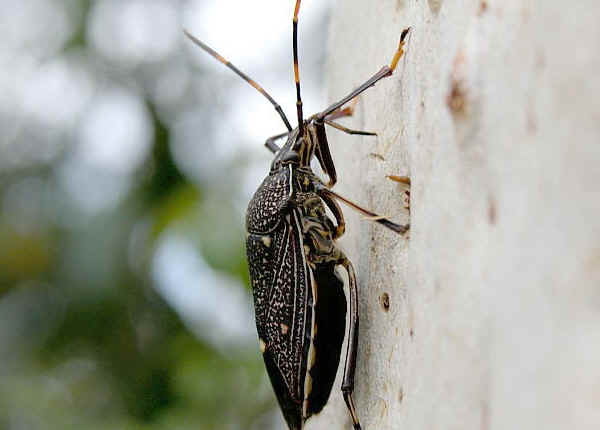
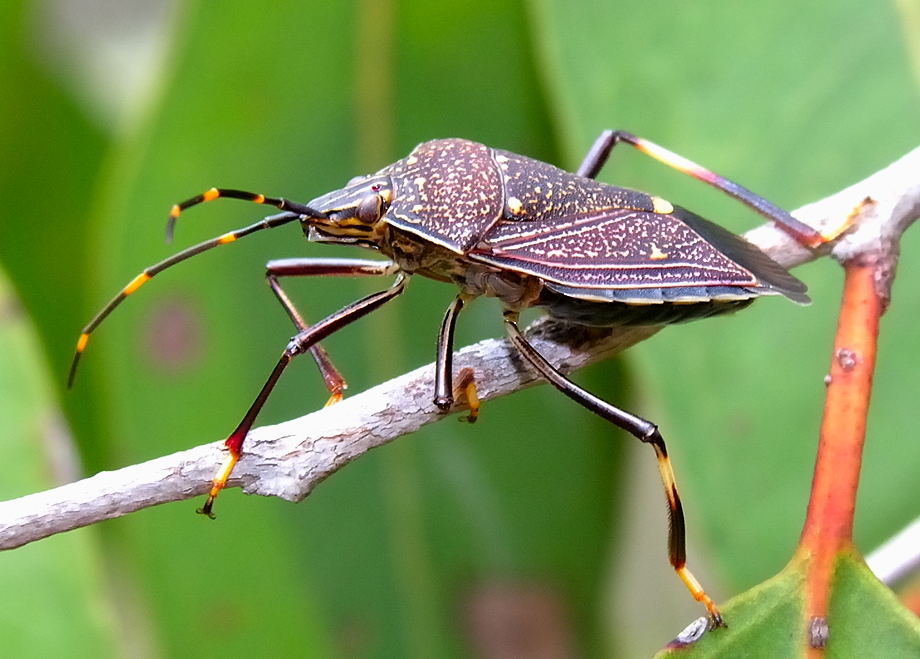
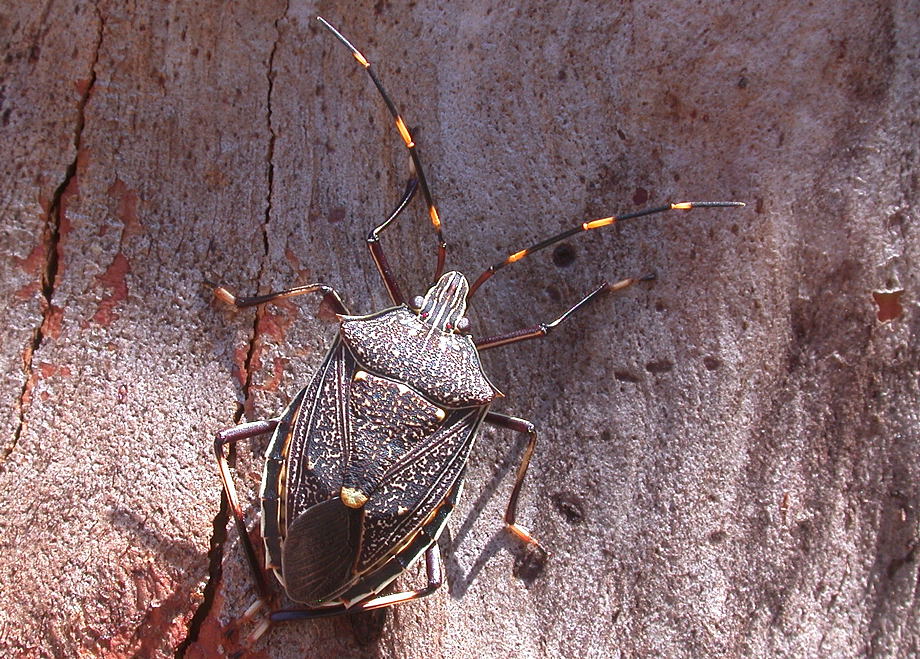
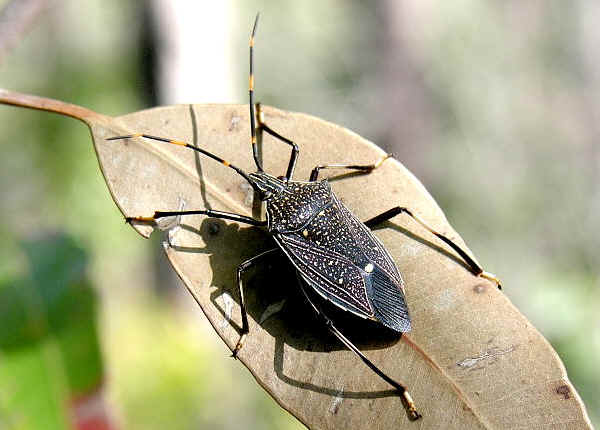
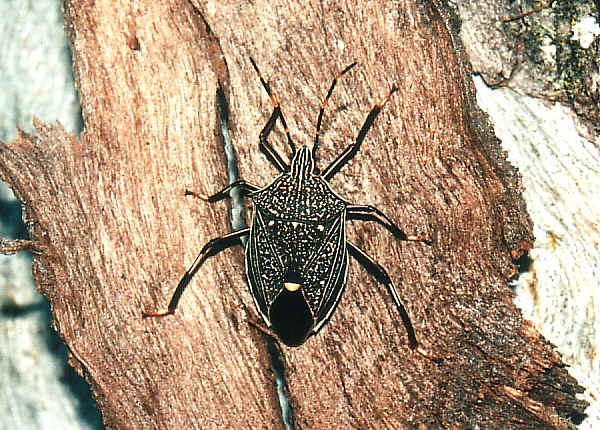
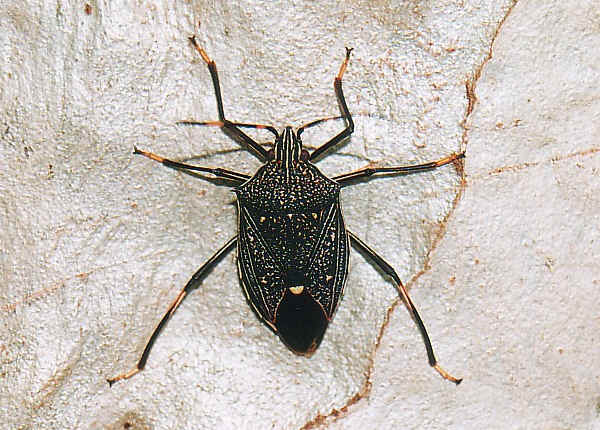
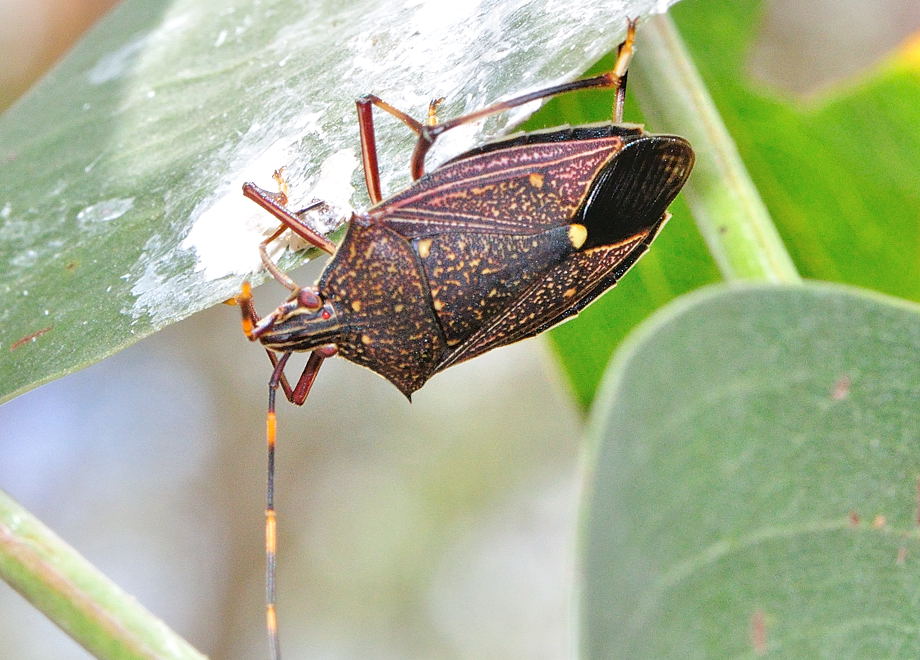
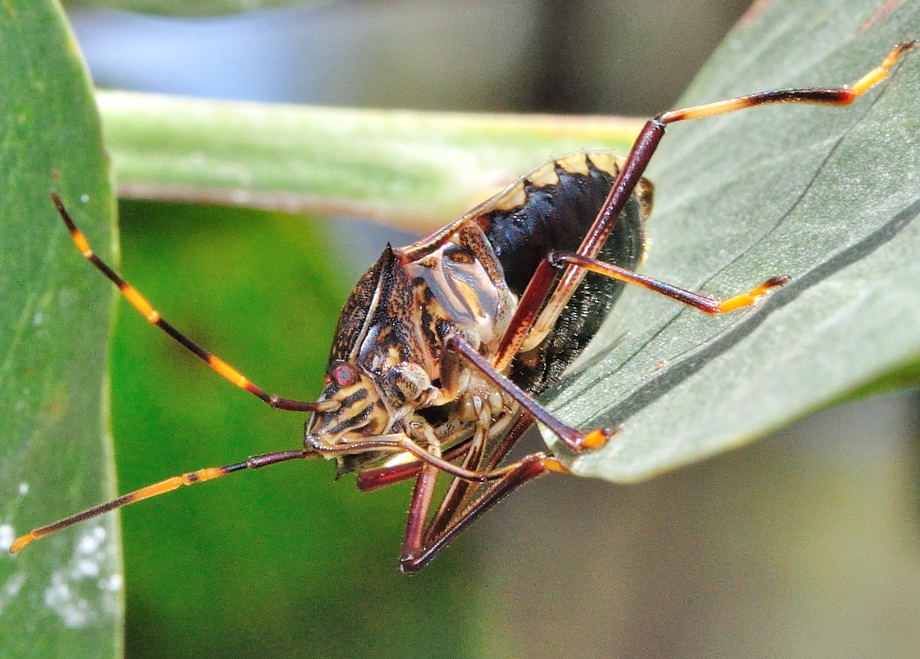
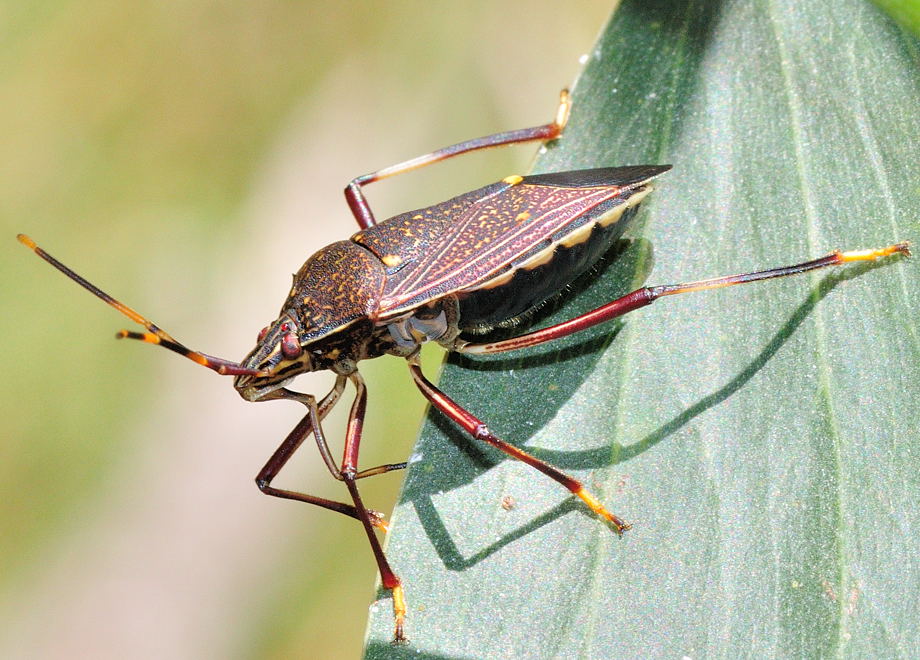
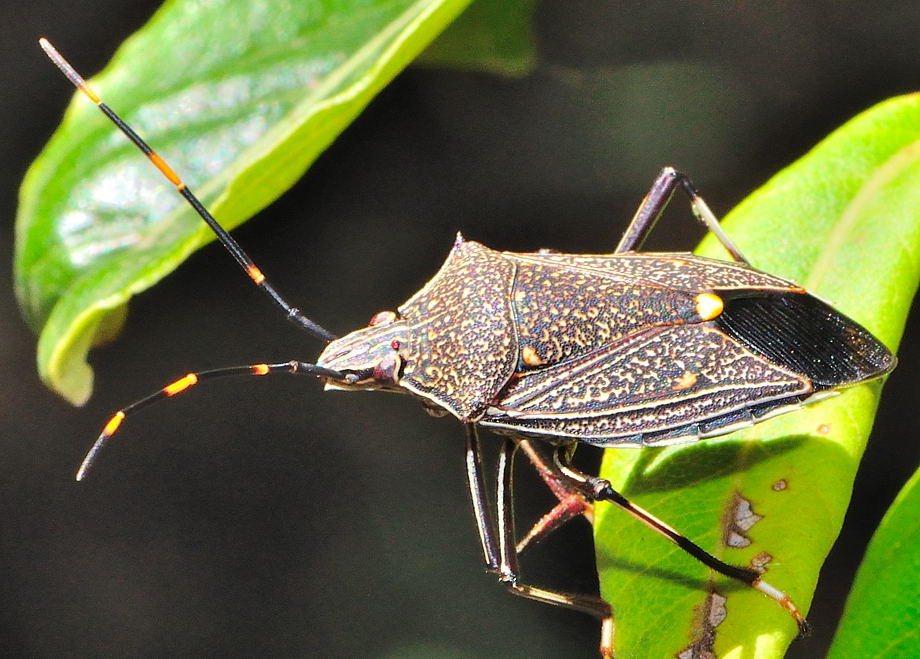
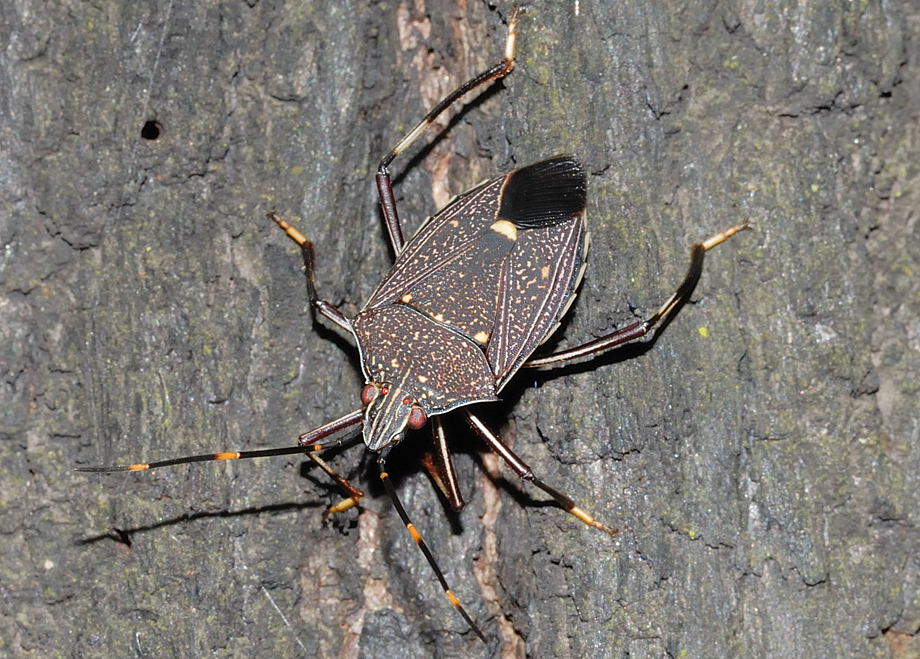
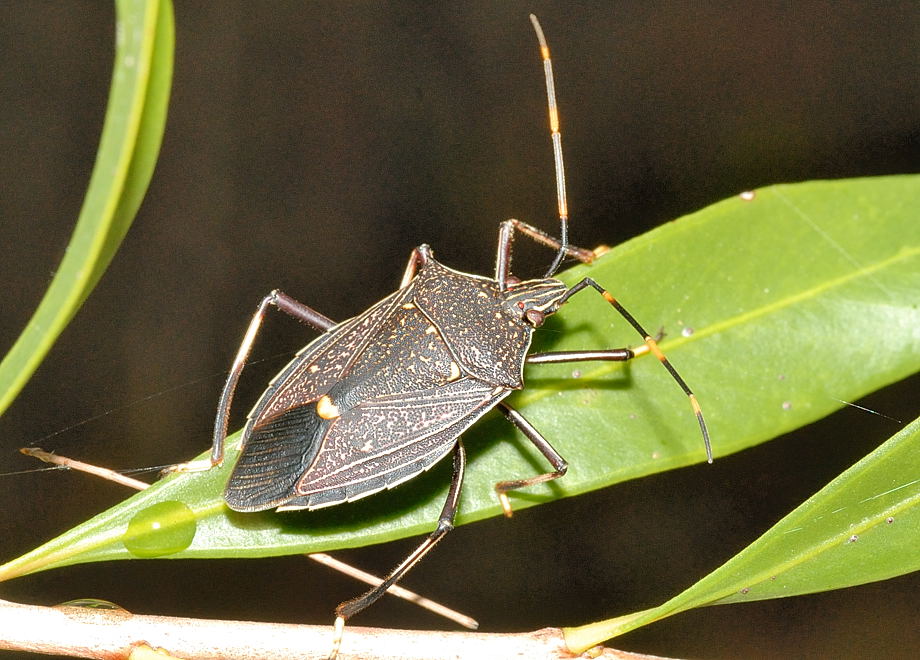
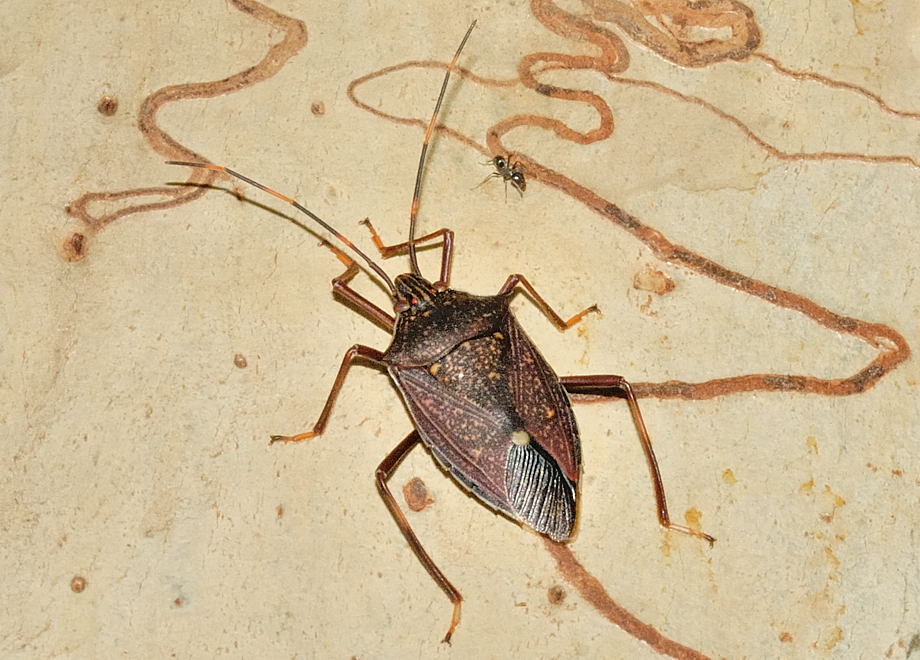
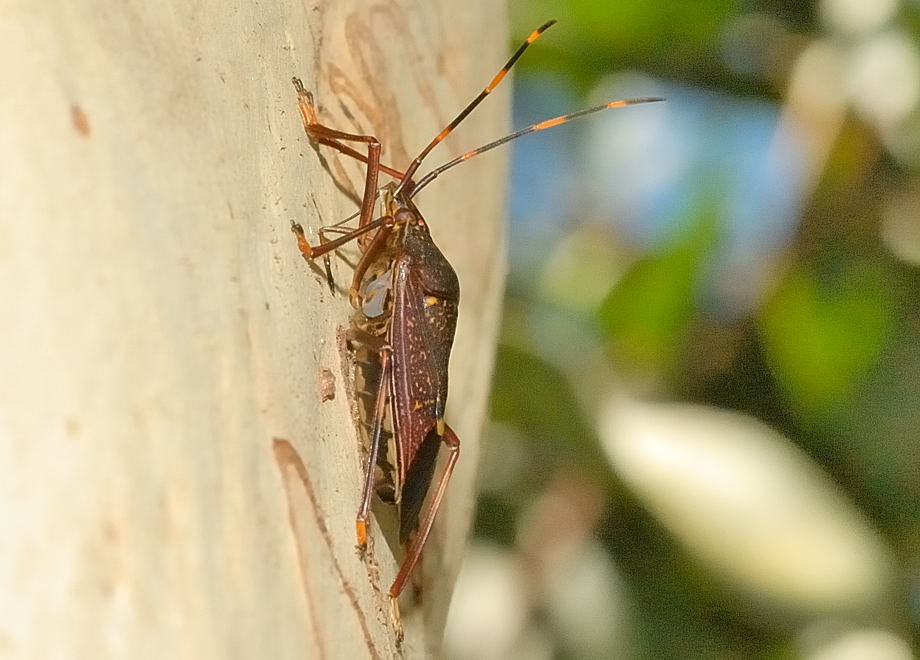
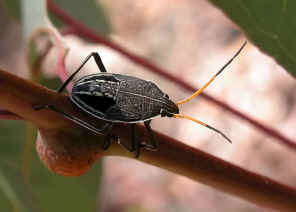
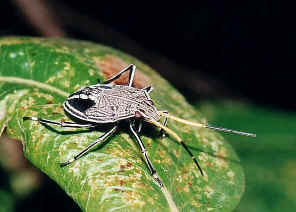
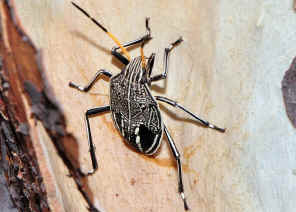
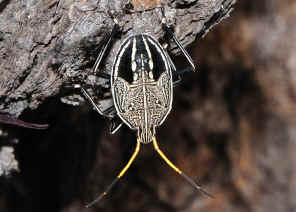
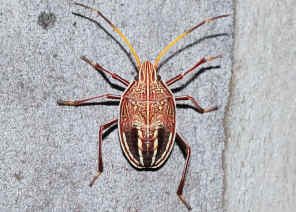
- This is one of the most common stink bug in Brisbane bushland. The bug has five-segmented antennae, with segment three and four double the length of other segments. The antenna are black and yellow banded with dark tip. The adult bugs are in shield shape with dark brown and black in colour. The scutellum, or the protective back shield, has a write tip. Legs are black in colour with white band.
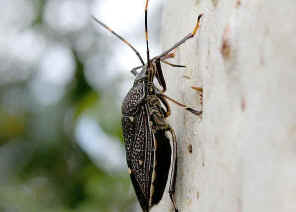
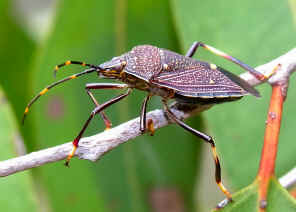
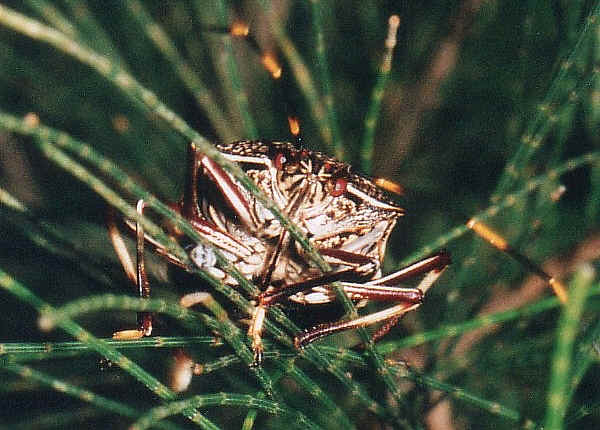
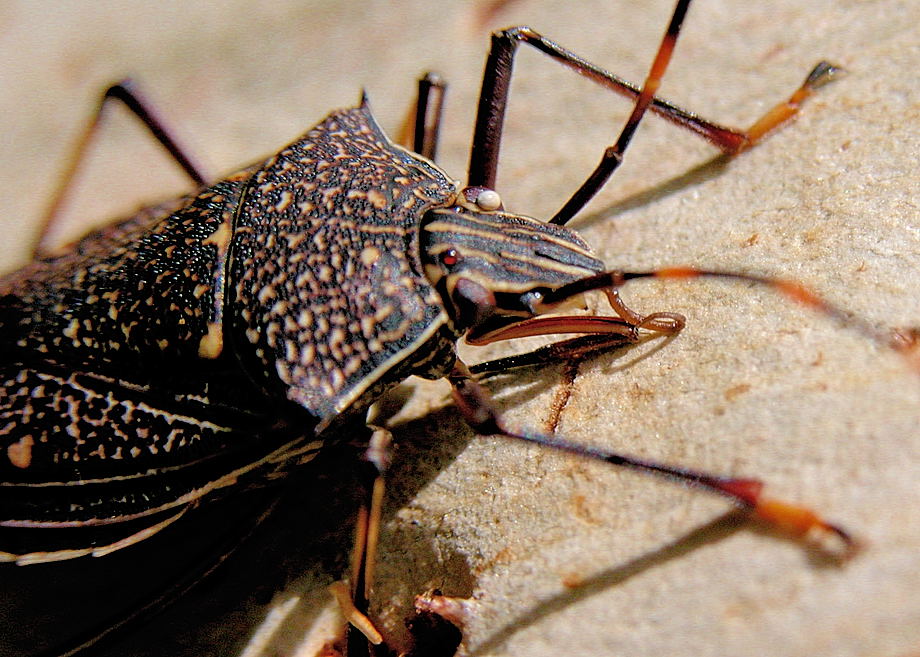
- The above pictures show its face and its needle-like mouth used for punching and sucking. The adult bugs fly around the bush and feed freely by sucking the juice of plants. This Gum Tree Shield Bug suck juice from Gum tree trunk.
-
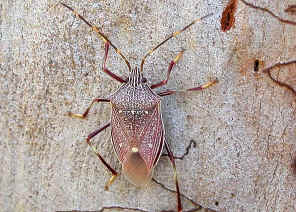
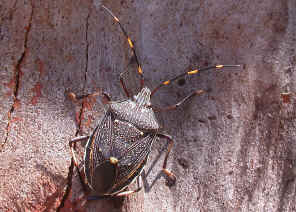
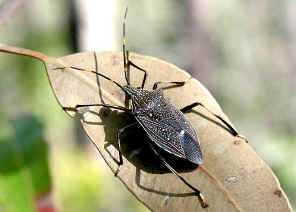
- Adult, just moulted, colour not darken yet
- As a stink bug It is large in size.
-
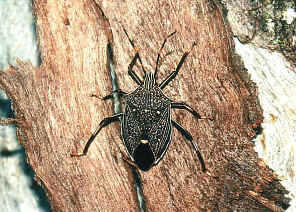
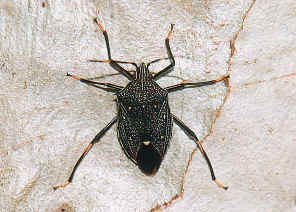
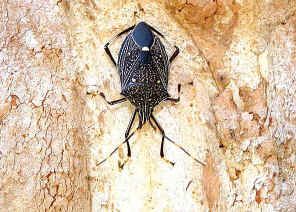
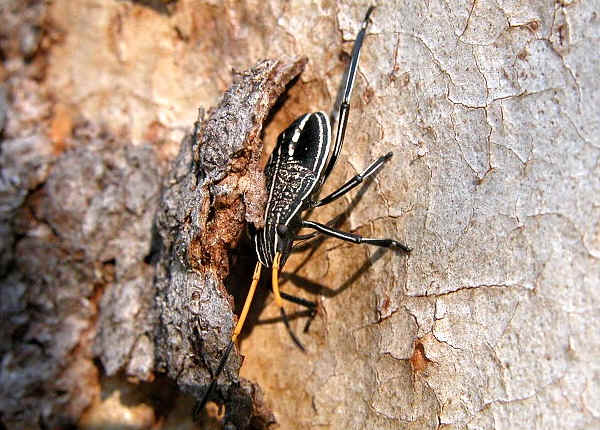
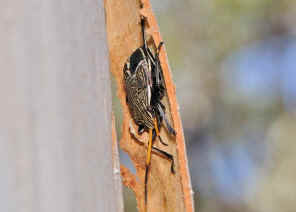
- They are usually found feeding on large gum tree trunks. Adults can be found on stems and leaves as well.
-
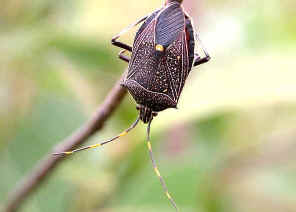
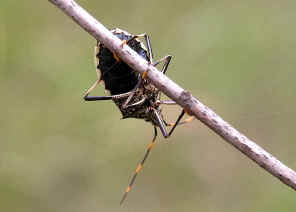
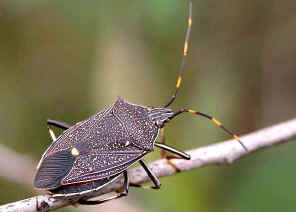
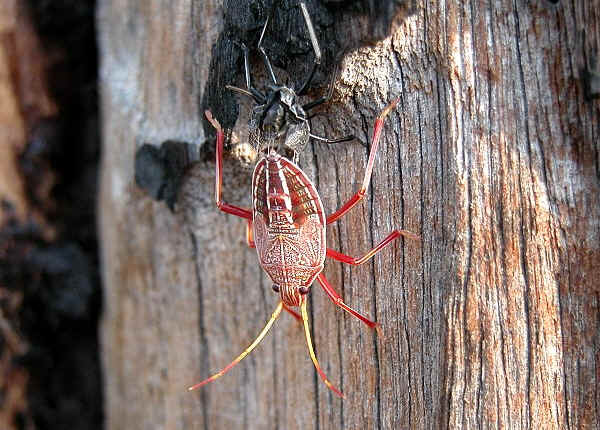
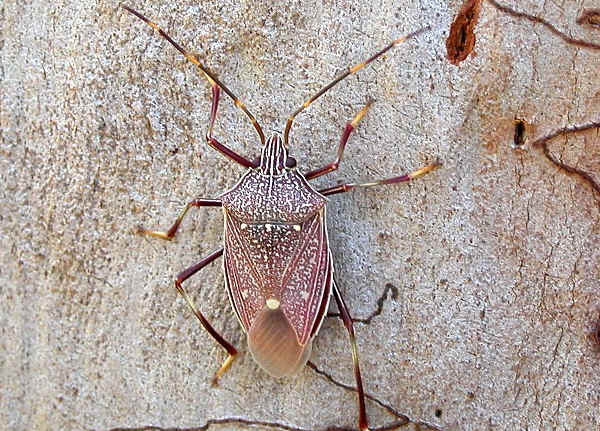
- The adult's body is bright red in colour, covered by its wings. The adults are slow moving. In a sunny day they are active flyer.
-

-

-
-

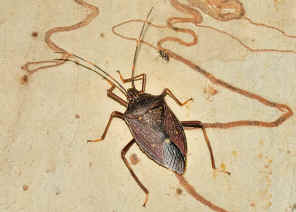
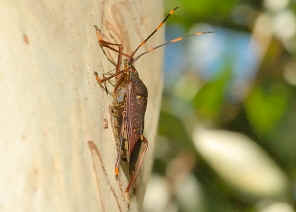
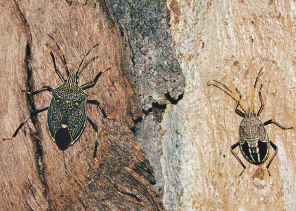
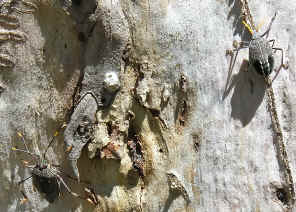
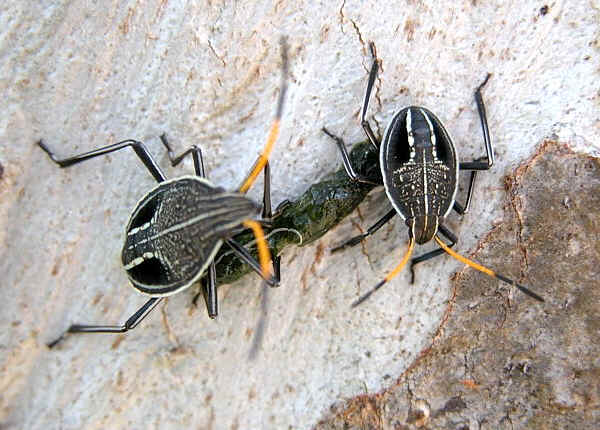
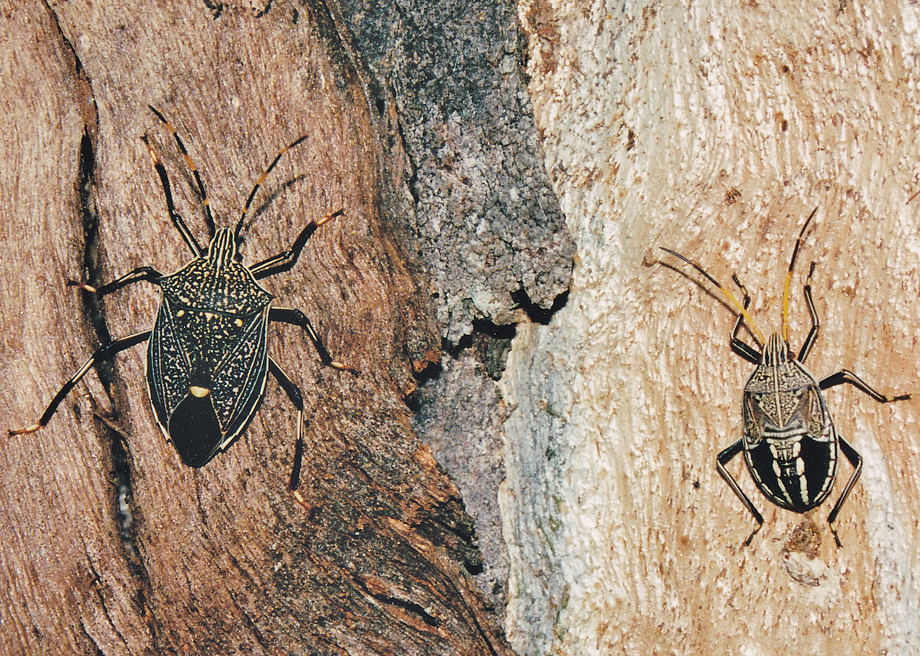
- Adults and nymphs can be found on the same tree trunk.
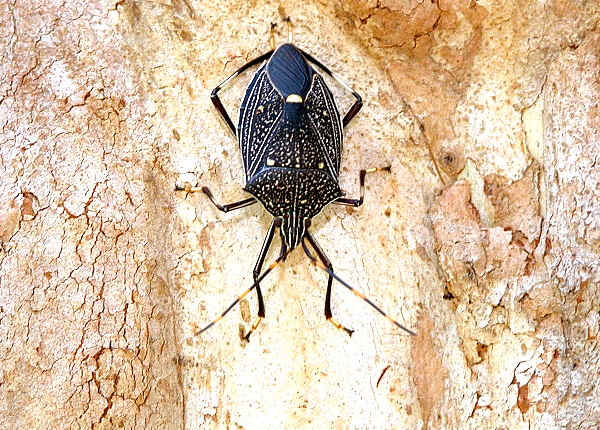
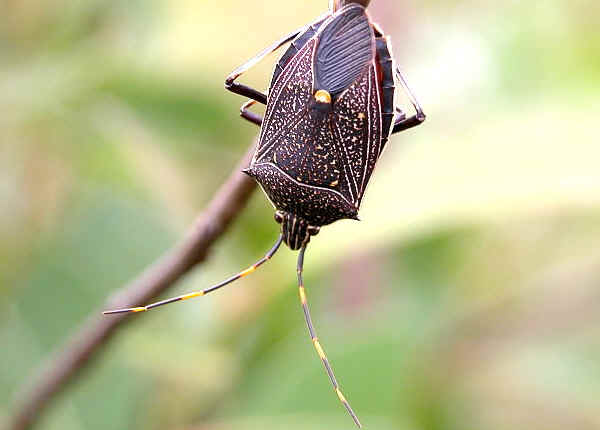
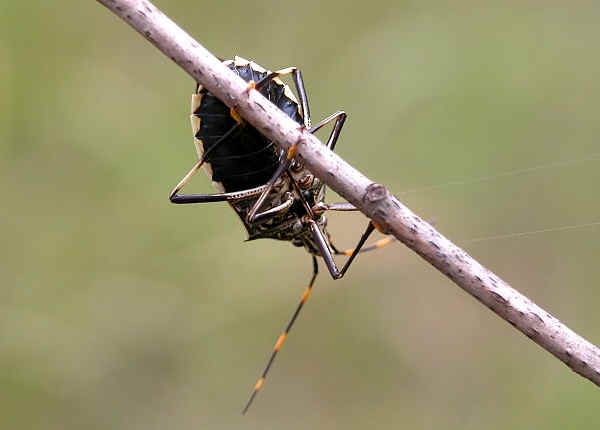
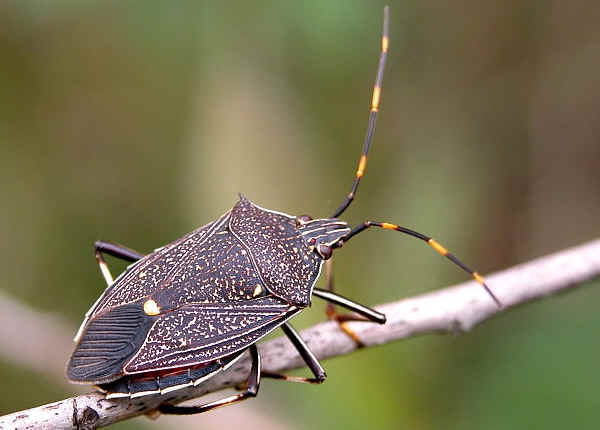



Eggs and 1st instars
-
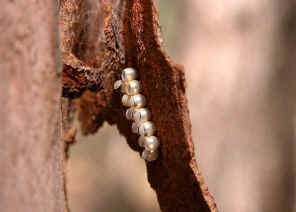
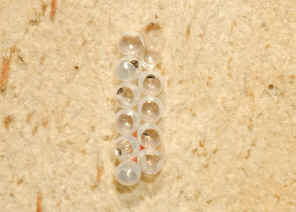
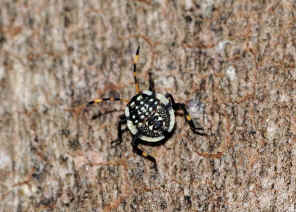
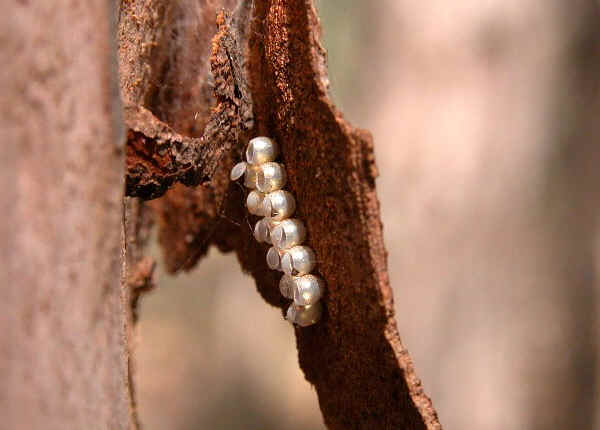
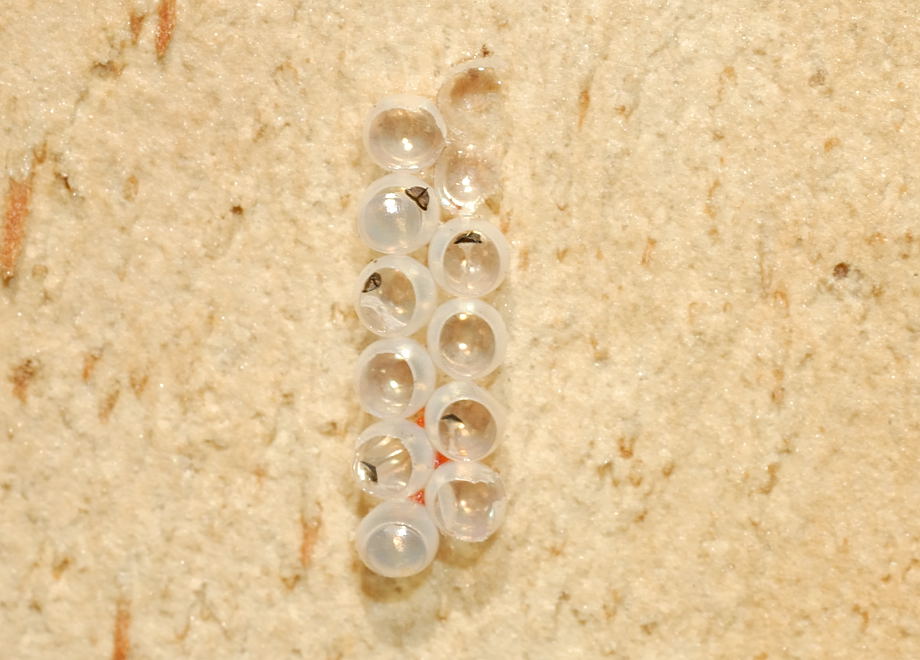
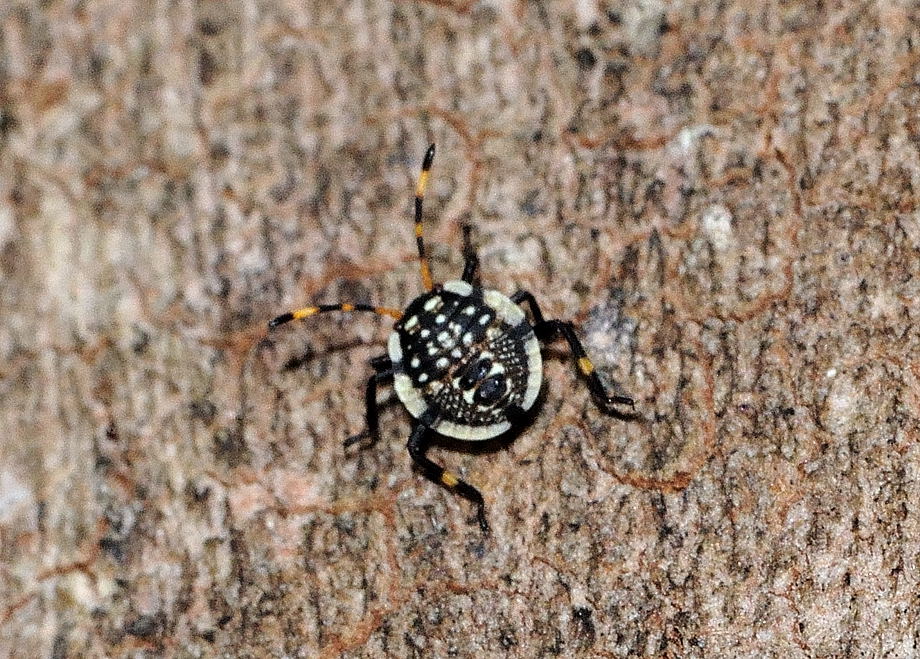
- Eggs Egg-shell 1st instars
- Females lay eggs under the loose barks of smooth-bark gum trees. Number of each batch of eggs is twelve, laid in tow row of six.
2nd instars
-
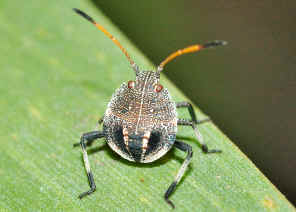
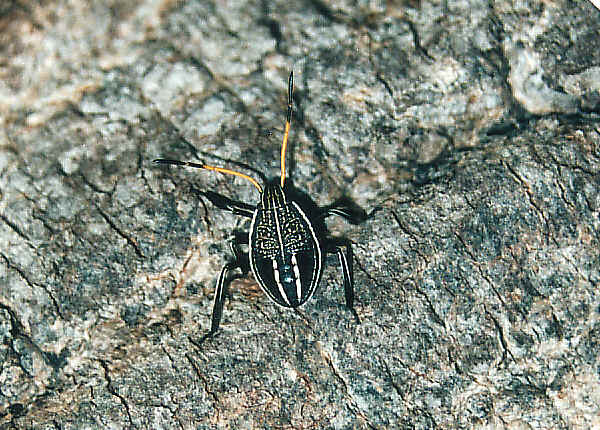
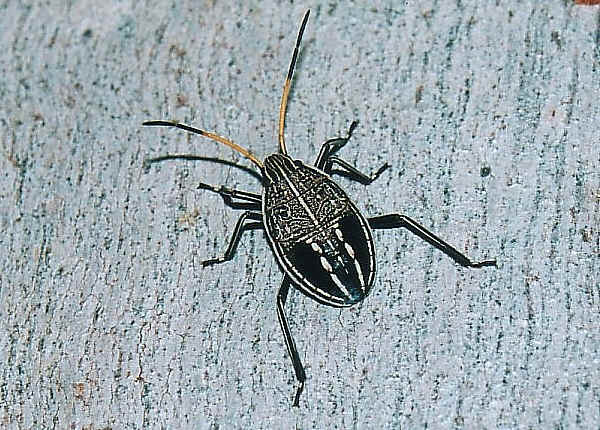
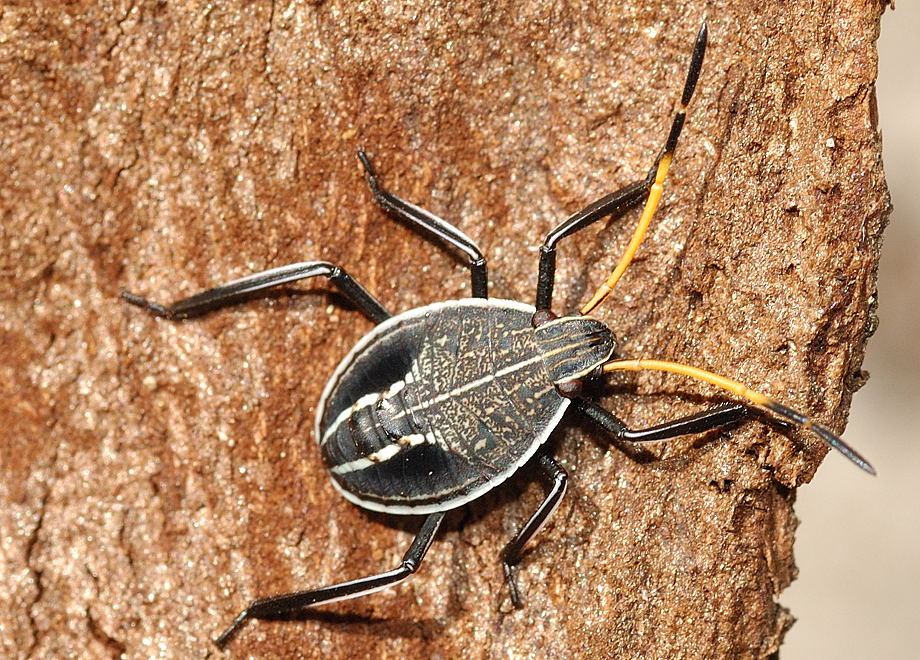
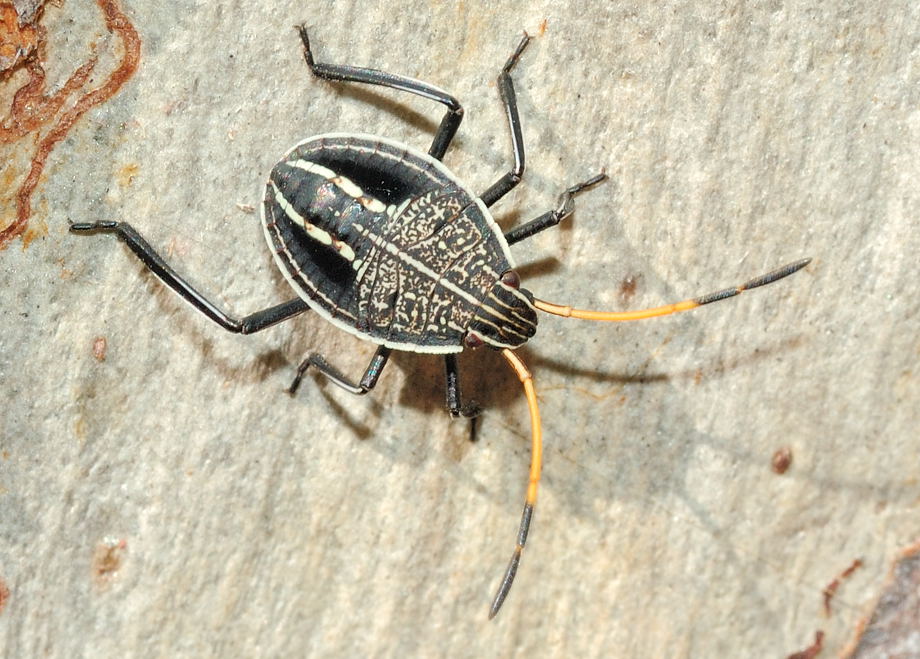
- Their nymphs are even more common than the adults. Almost anytime any season we can easily find them on any large smooth-bark gum trees in Brisbane forests.
-
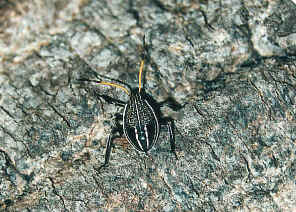

- 3rd and 4th instars
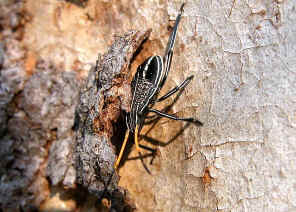
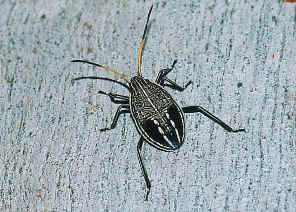
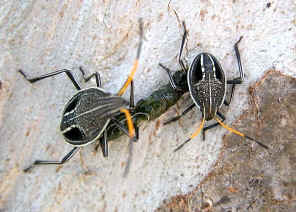
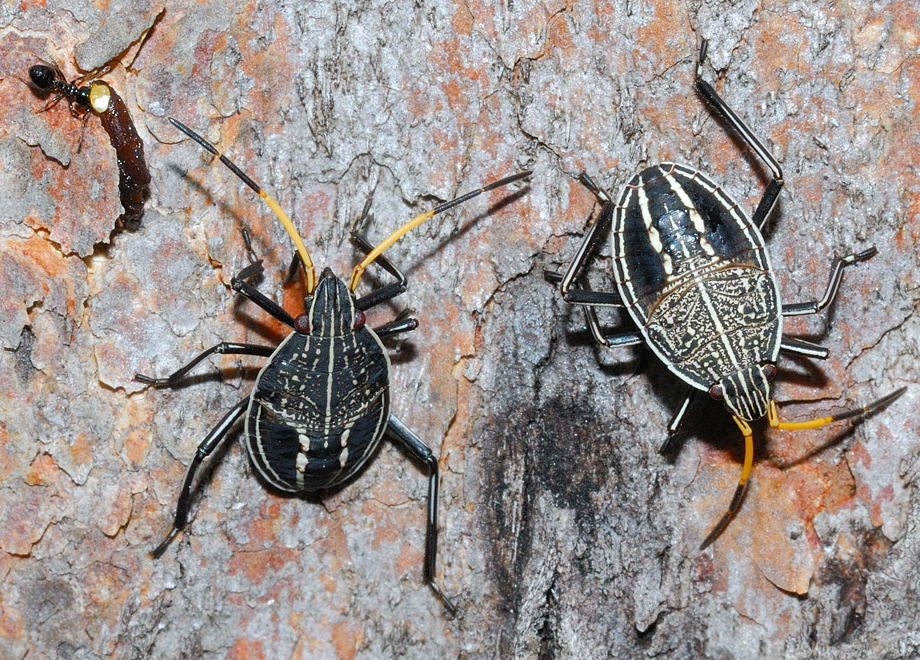
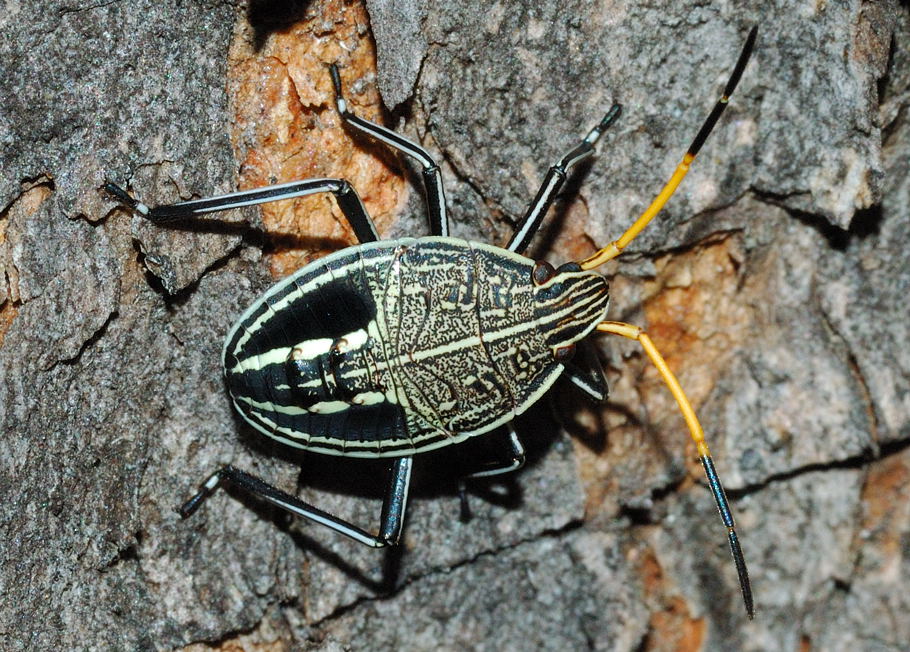
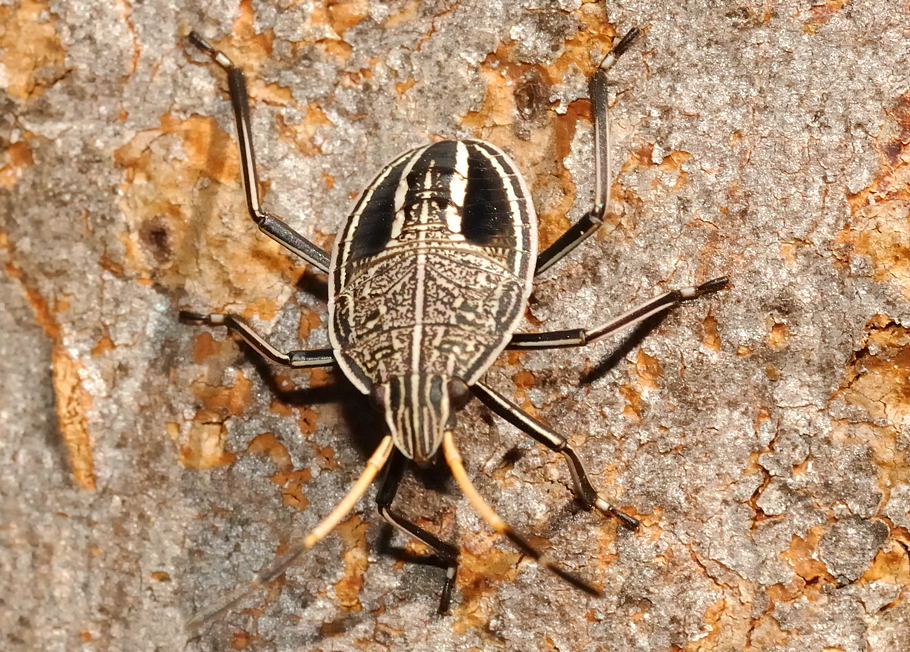
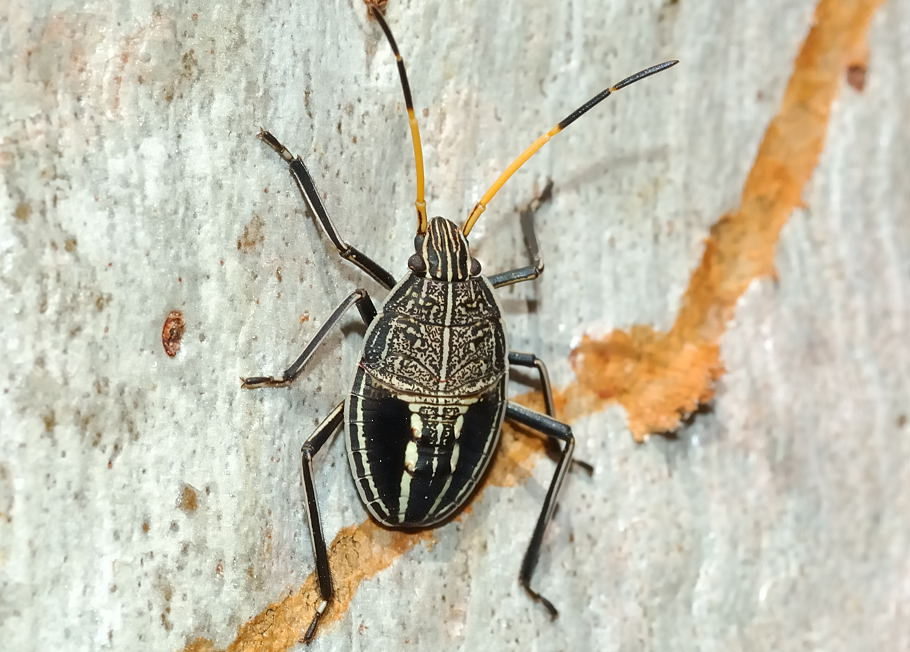
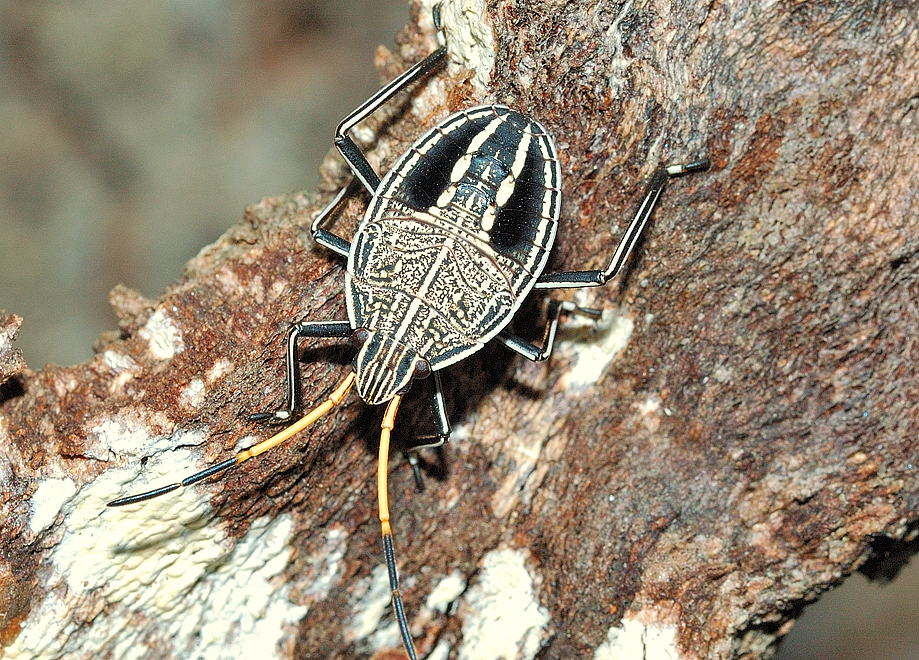
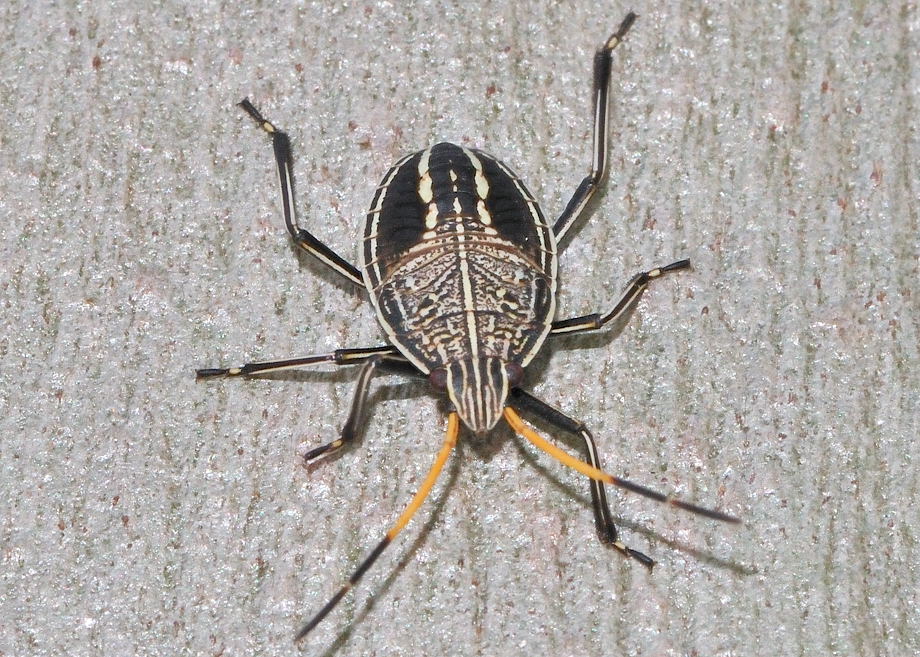
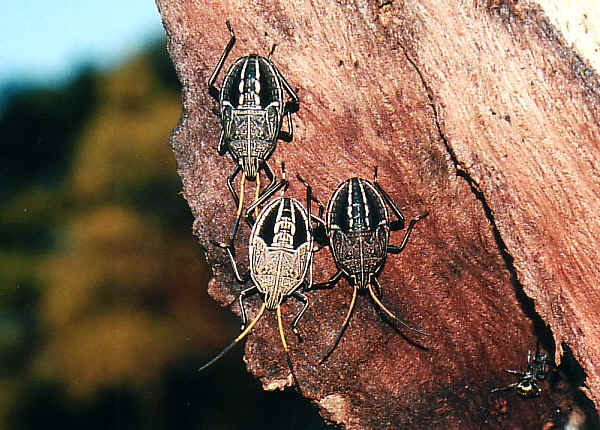
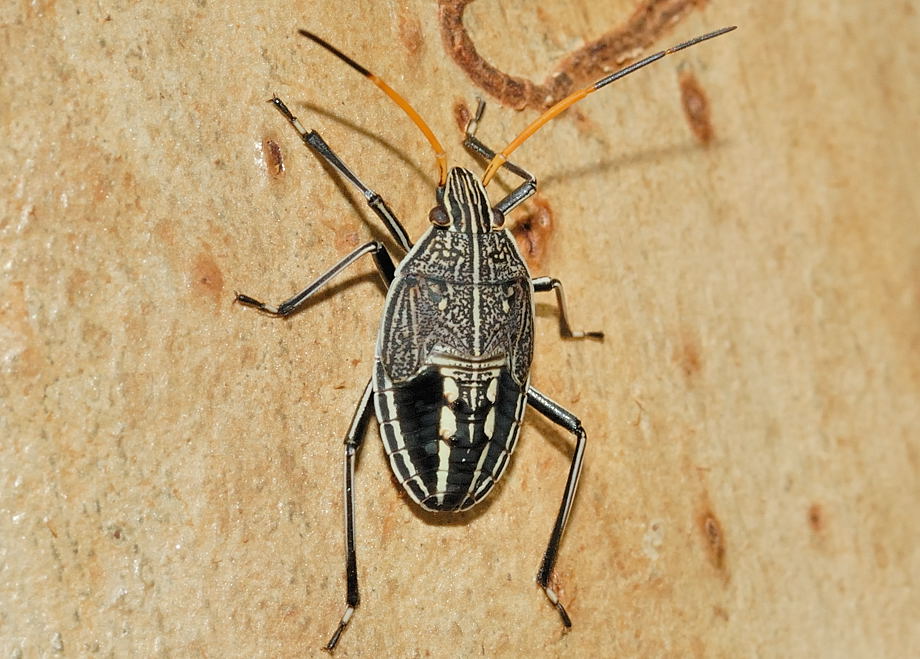
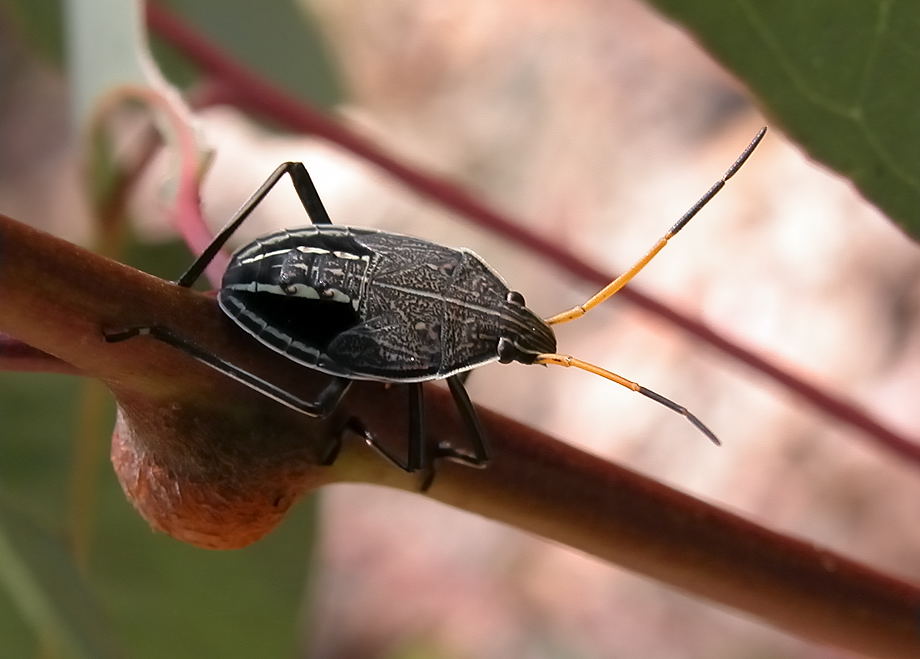
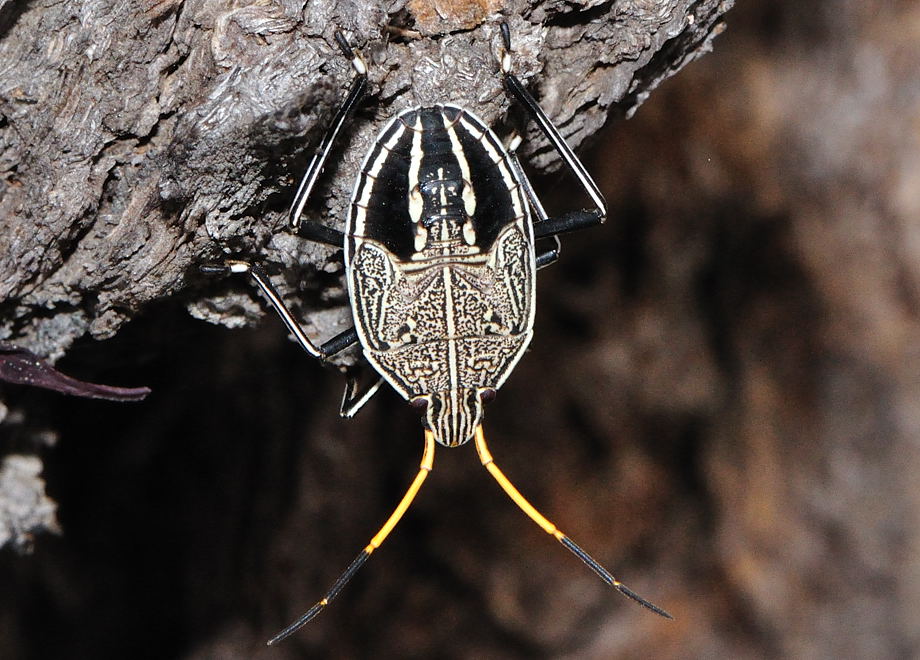
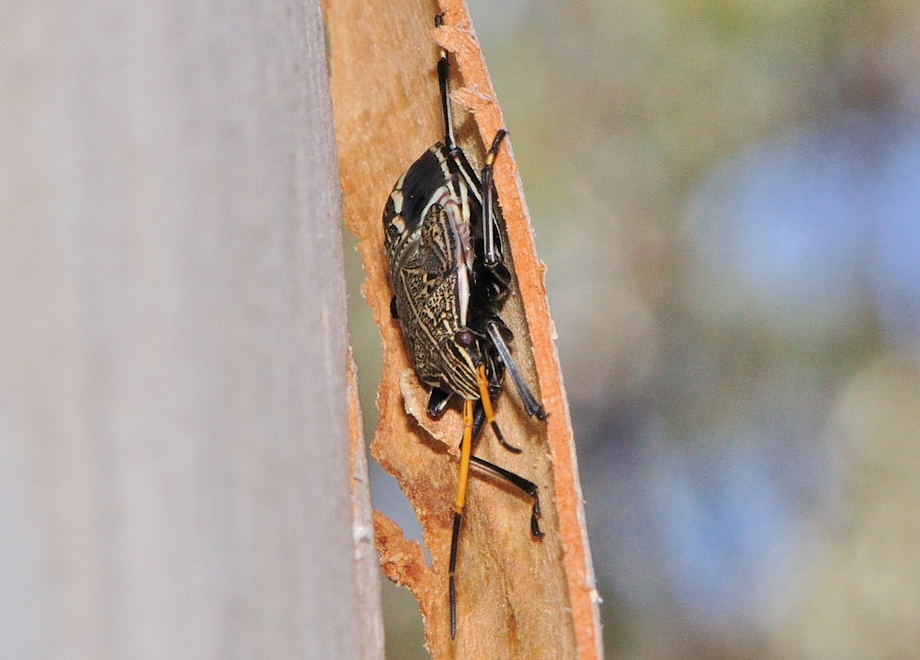
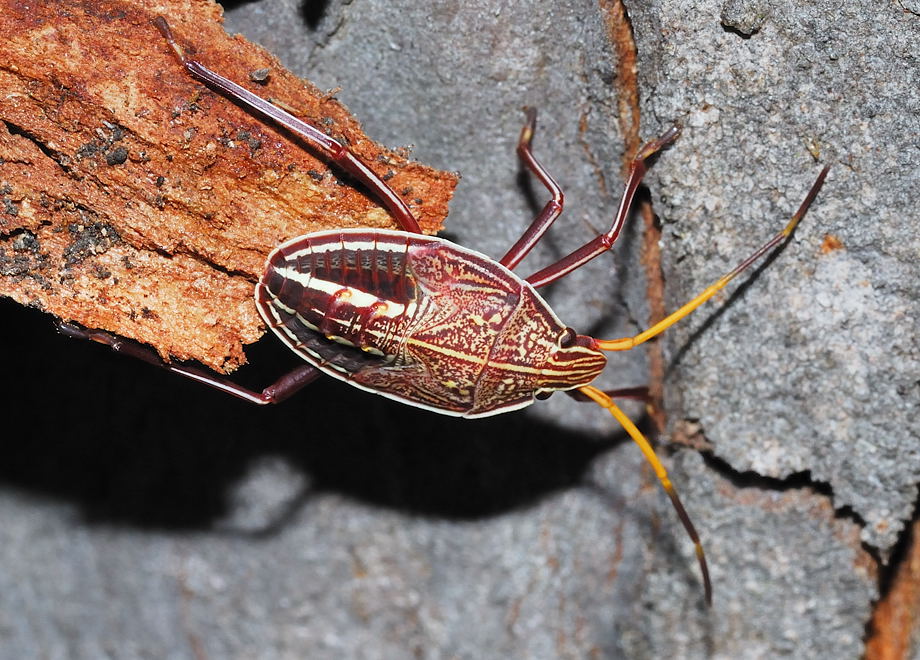
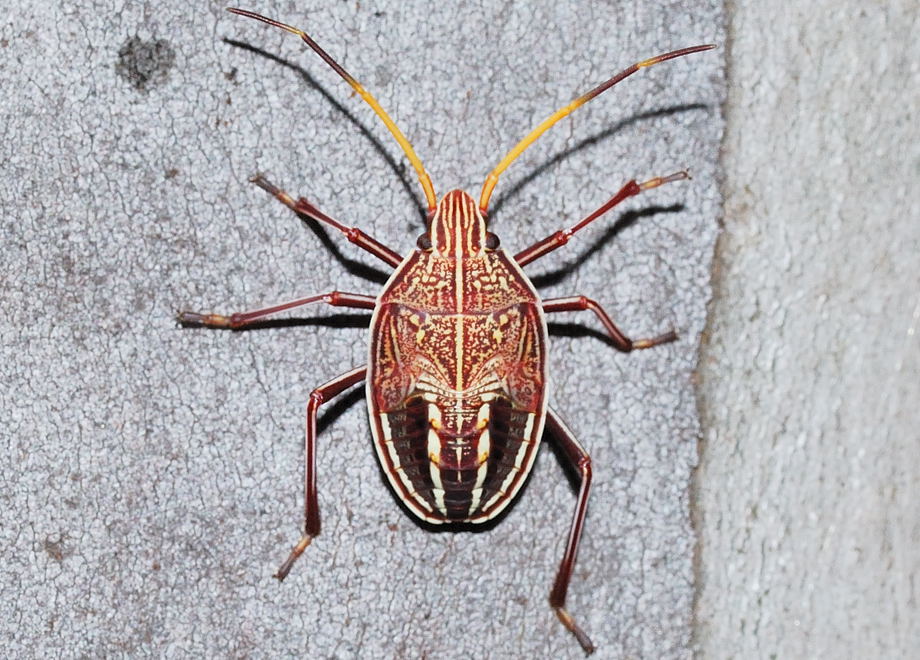
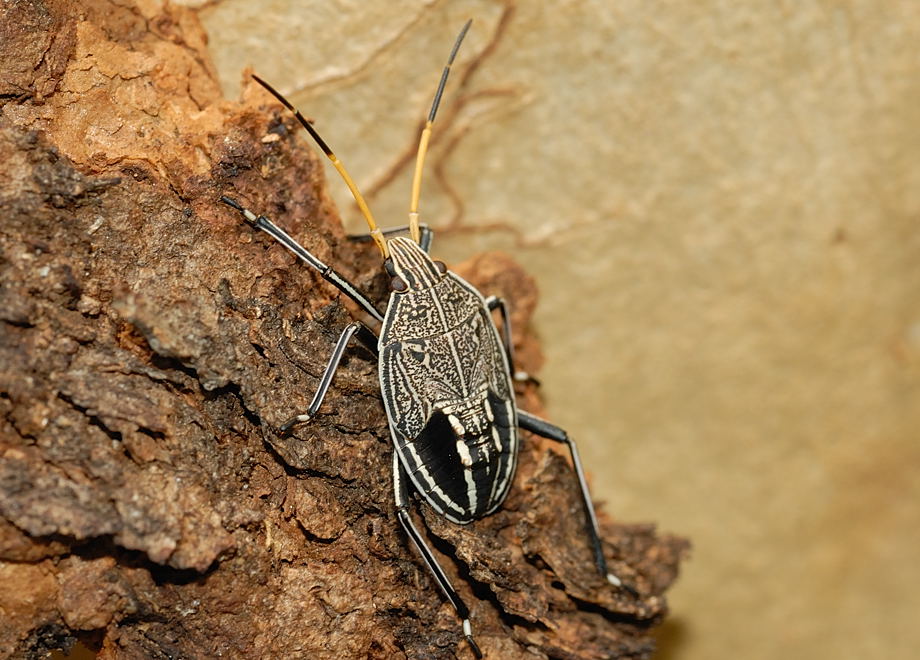
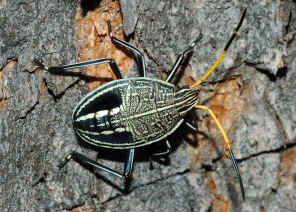
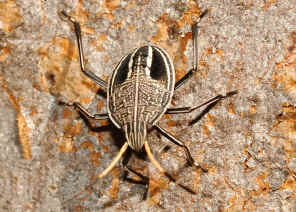
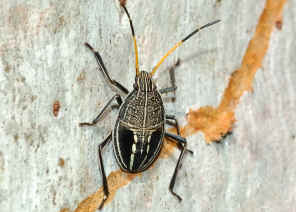
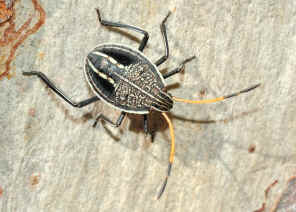
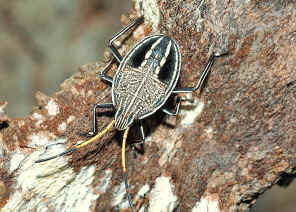
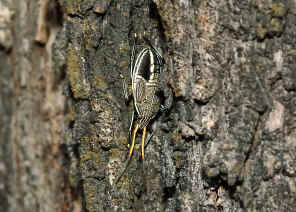
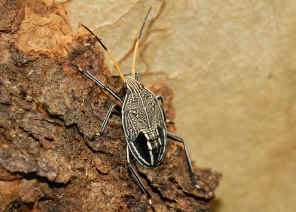
- Gum Tree Shield Bug nymphs are black and white in colour. The antenna are yellow with dark end. They can be found usually in clusters of six to eight under loose bark of gum trees.
-
-

-
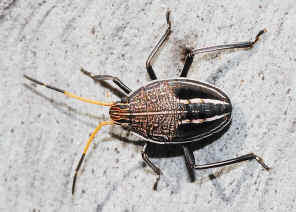
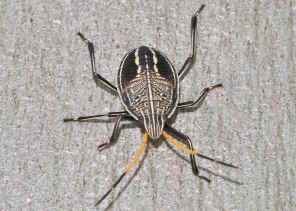
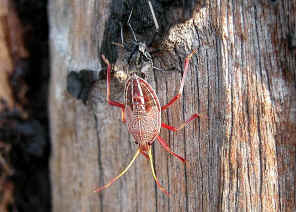
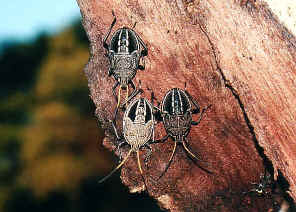
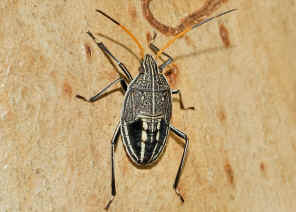
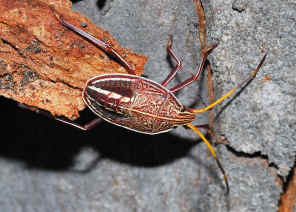
- The above 1st photo is the newly moulted 5th instars, was still in pale colour. It would turn dark back into normal colour after a few hours.
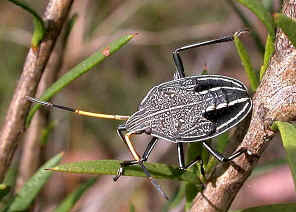
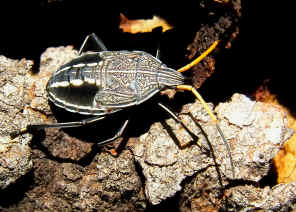
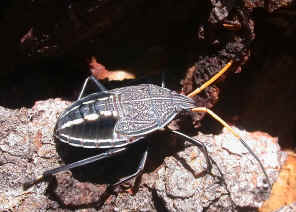
- The nymphs usually hide under loose bark of living gum tree where they suck up the tree juice. You can find them easily by gently tapping on the lose bark of gum trees. Then they will come out to see who is visiting. But beware sometimes it will come out a Huntsman Spider.
-
-
-
- Reference:
- 1. Stink Bugs of Australia - FaunaKeys, Australian Museum online 2003.
- 2. Insect Reference Collection Database - Department of Agriculture Western Australia (Eumecopus australasiae).
- 3. Species Poecilometis patruelis Stål, 1860 - Australian Biological Resources Study, Department of the Environment and Heritage, Commonwealth of Australia 2005.
- 4. A revision of the species of Australian and New Guinea shield bugs formerly placed in the genera Poecilometis Dallas and Eumecopus Dallas (Heteroptera: Pentatomidae), with description of new species and selection of lectotypes. - Gross, G.F. (1972). Aust. J. Zool. Suppl. Ser. 15: 1-192 (description, revision), Fig 49.
- 5. Poecilometis patruelis Stål, 1860 - Types of Heteroptera, Swedish Museum of Natural History.
- 6. Plant-feeding and Other Bugs (Hemiptera) of South Australia. Heteroptera-Part II - Gross, G.F. (1976). Adelaide: A.B. James, p317.