|
| |
Family Ascalaphidae
- This page contains pictures and information about Australian Common Owl-flies that
we found in the Brisbane area, Queensland, Australia.
-
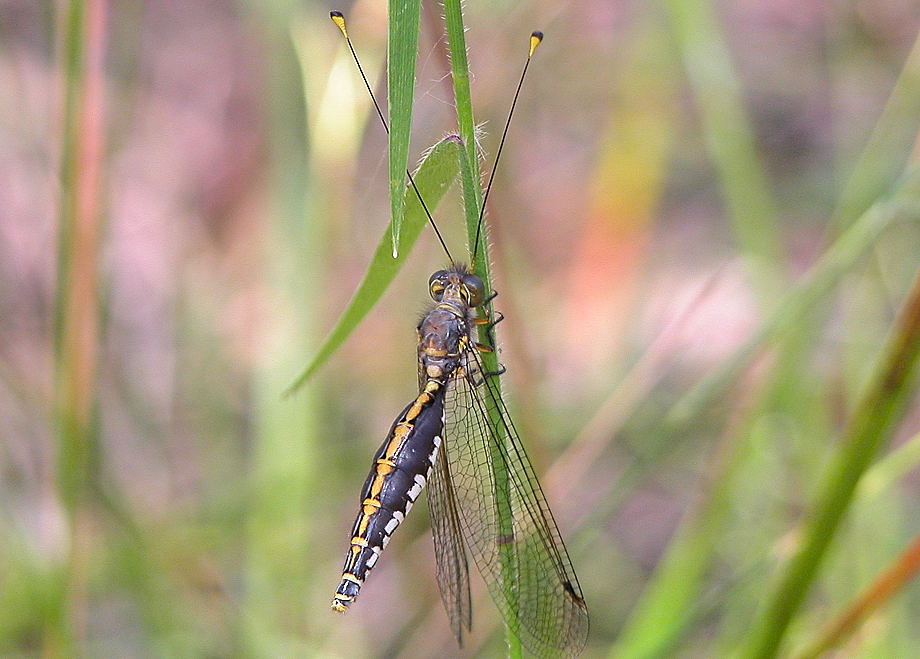
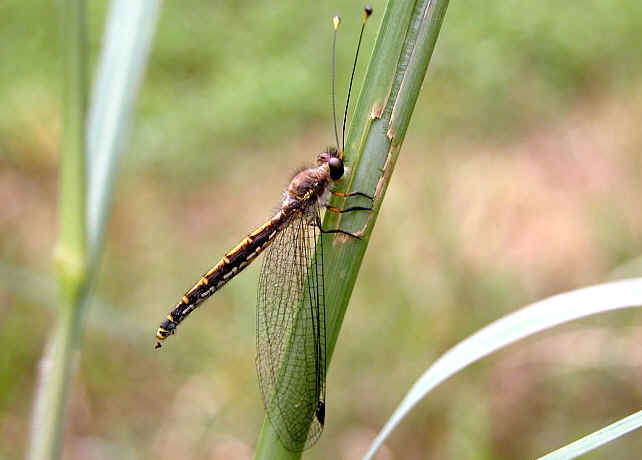
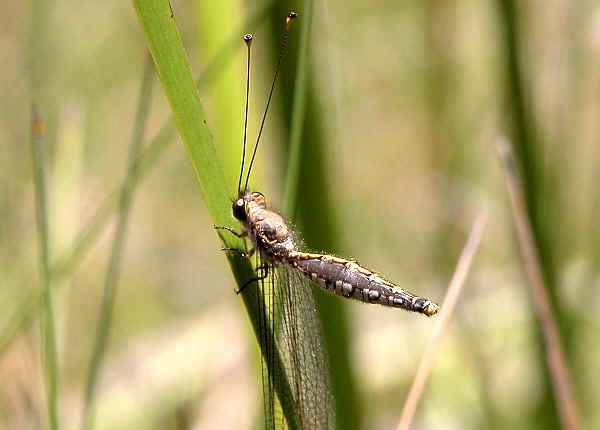
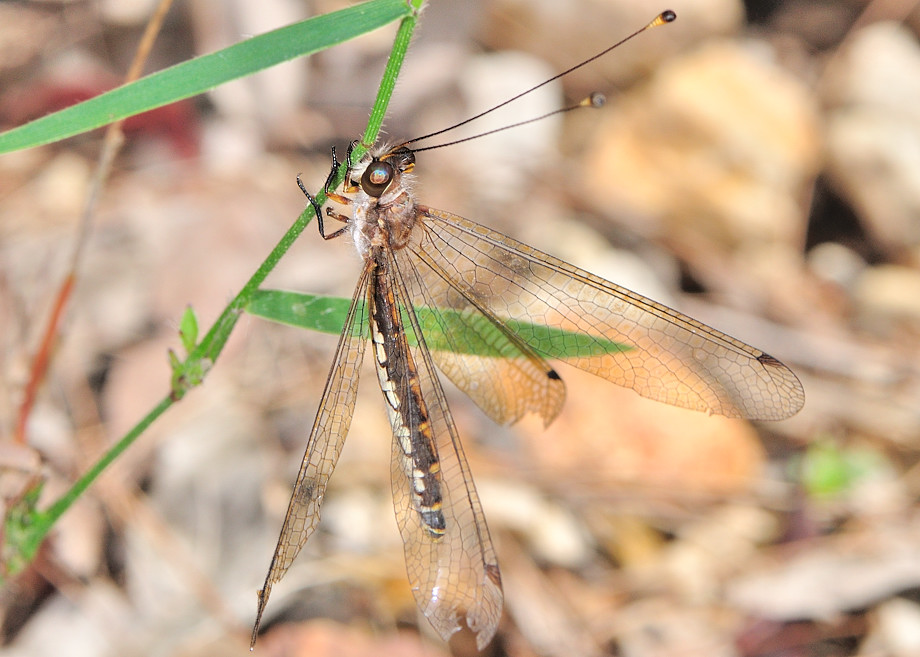
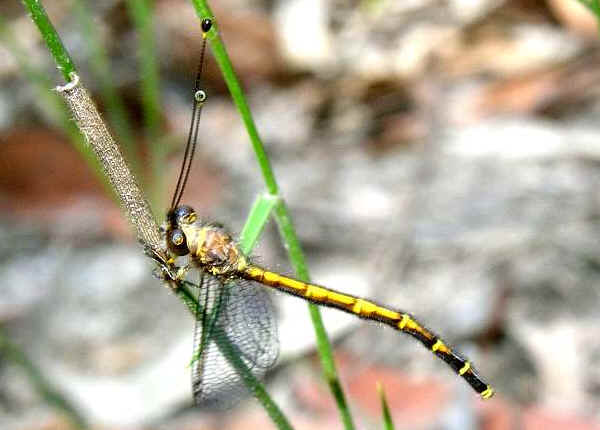
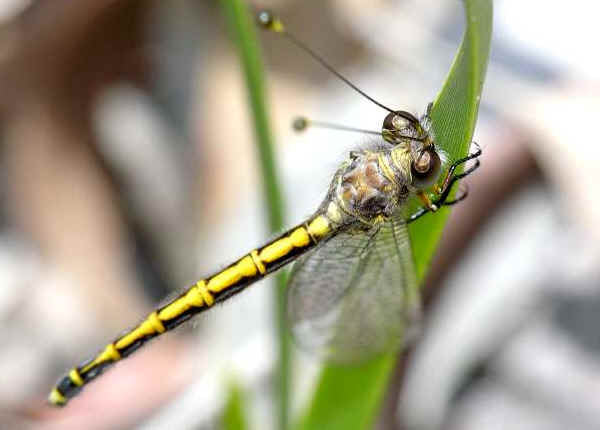
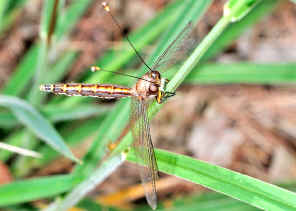
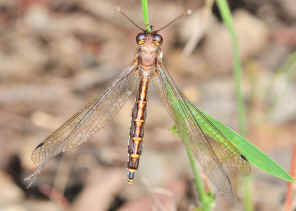
- Female, body length 45mm
-
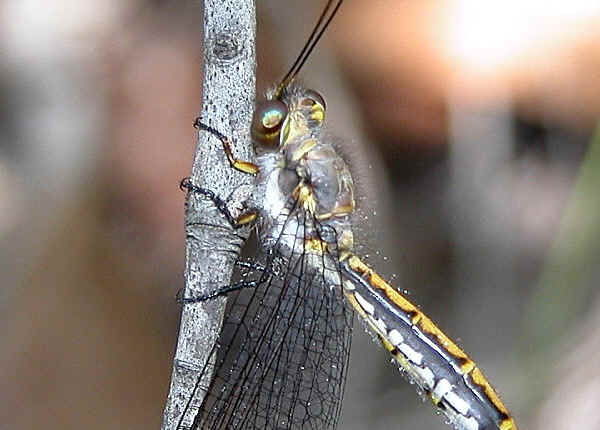
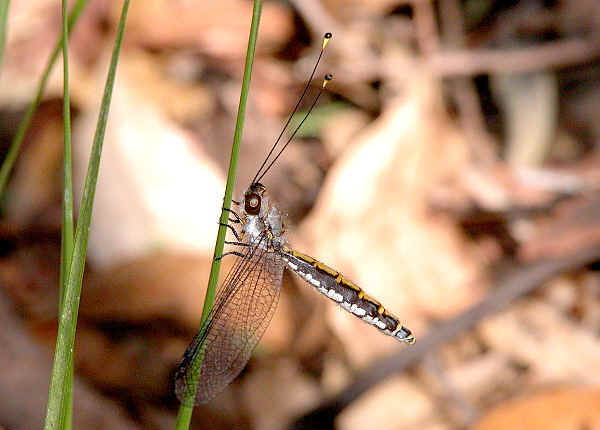
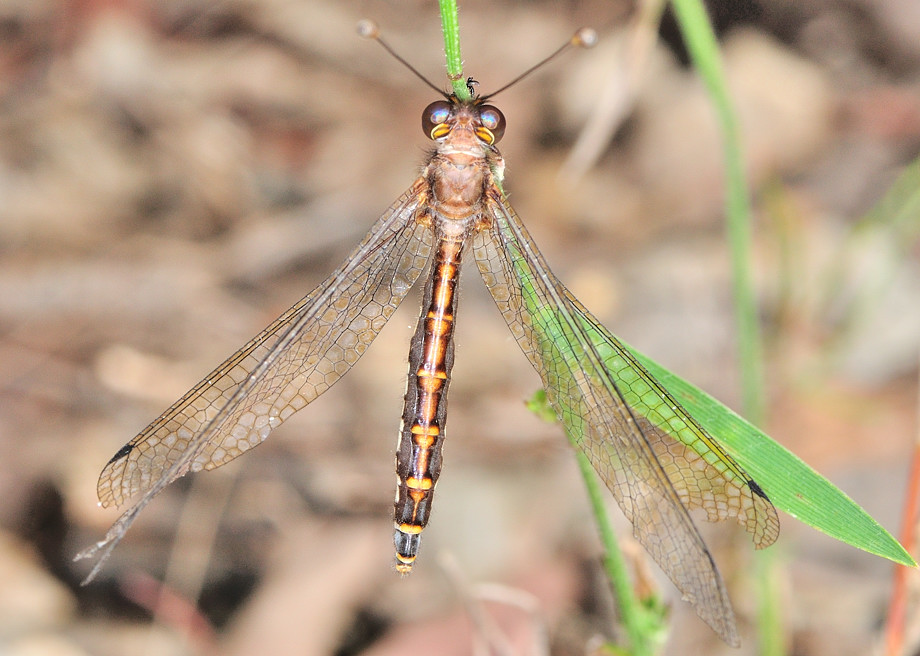
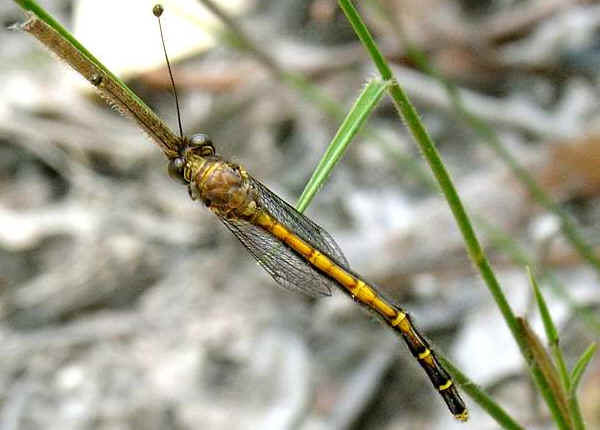
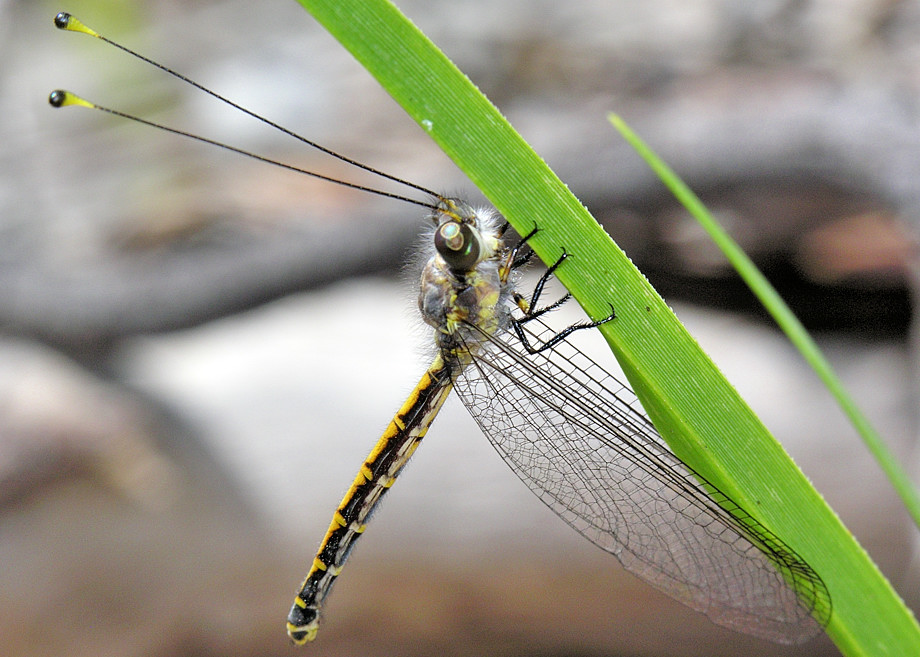
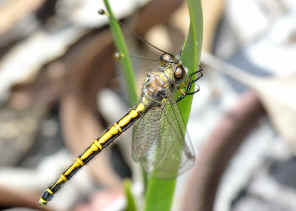
- The Australian Owl-fly is dark grayish brown in colour with yellow
markings. Eyes are greyish brown, with long and clubbed antennae. Two pairs of
membrane wings are clean with dark brown pterostigma.
Legs are short and dark in colour.
-
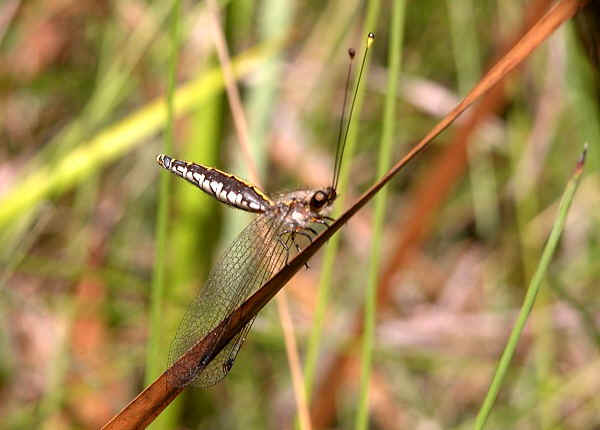
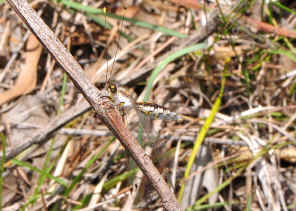
- This is the most common Owl-fly that we found in Brisbane. We sometimes saw this
Owl-fly in Alexandra Hill, Mt Cotton and Karawatha Forest (all are opened Eucalypt forest in Brisbane) in mid summer.
They rested on
plant about a meter from ground. When distributed, it slowly fly away to another plant near by.
-
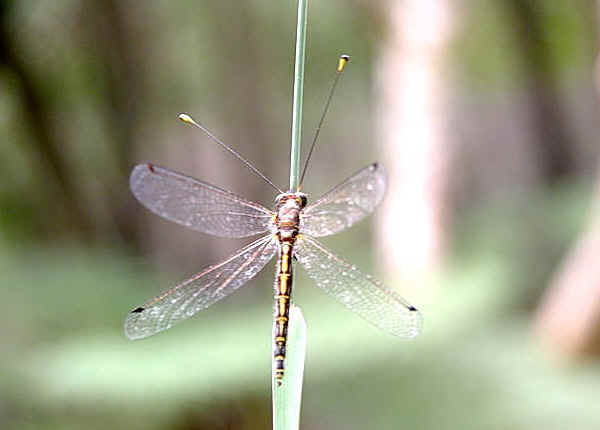
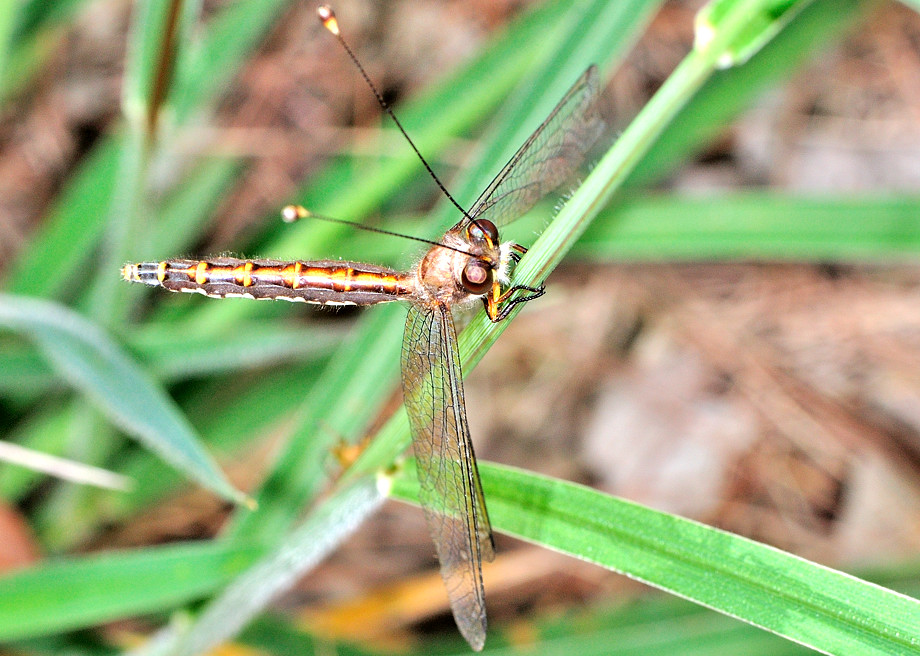
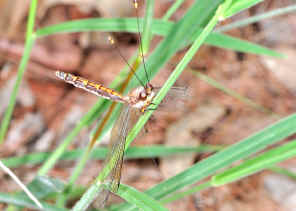
Female
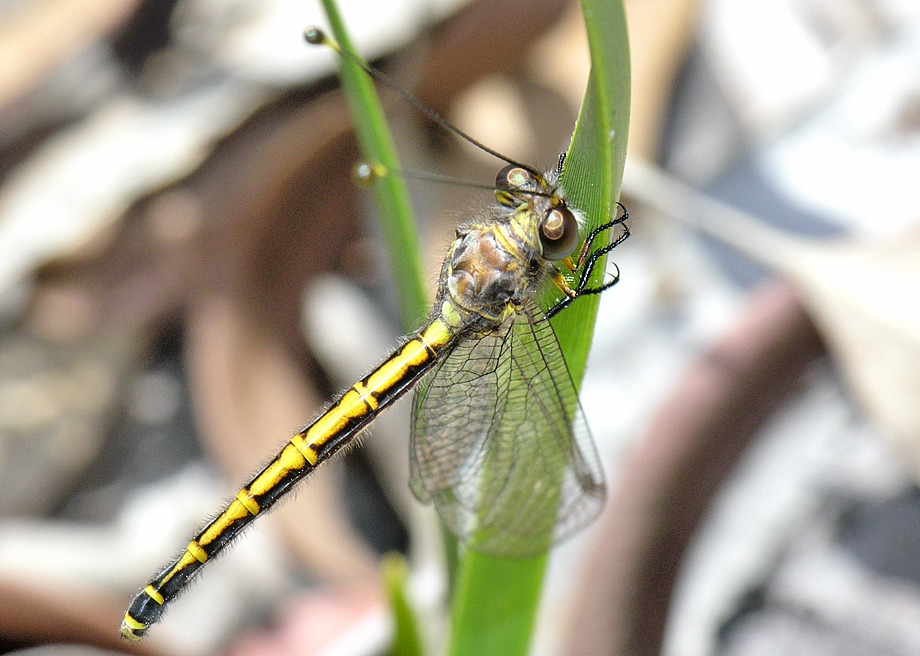
- Females and males are look similar, male with slender abdomen.
-
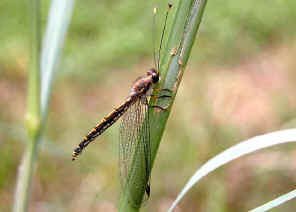 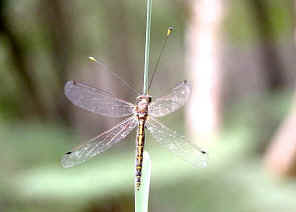
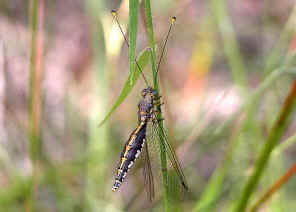
- Found in Alexandra Hill
-
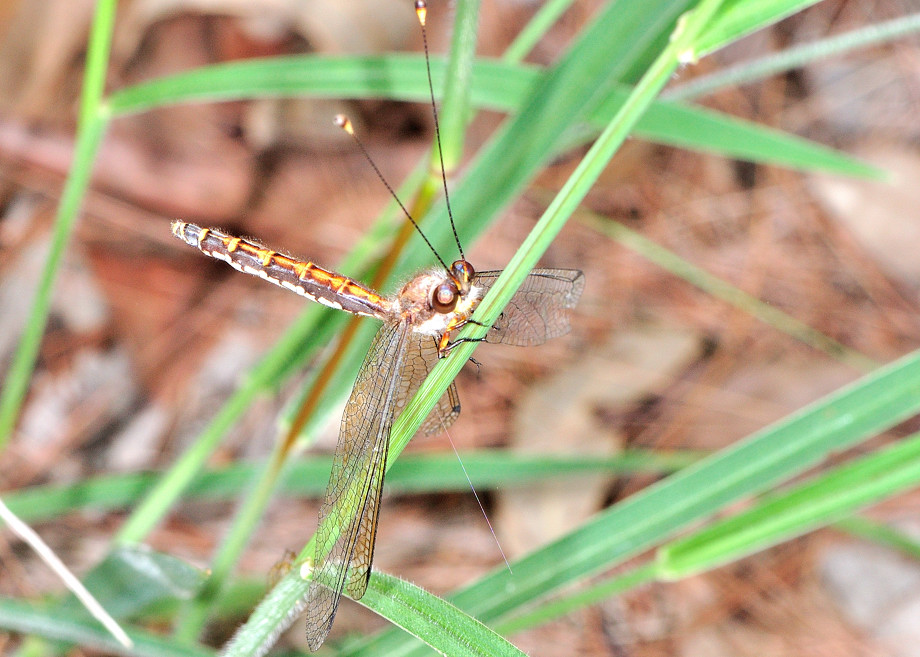
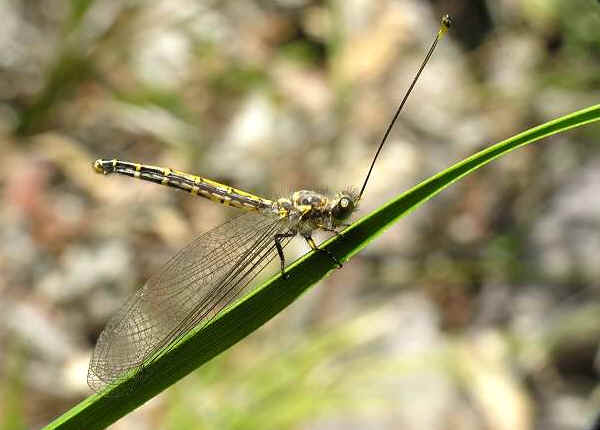
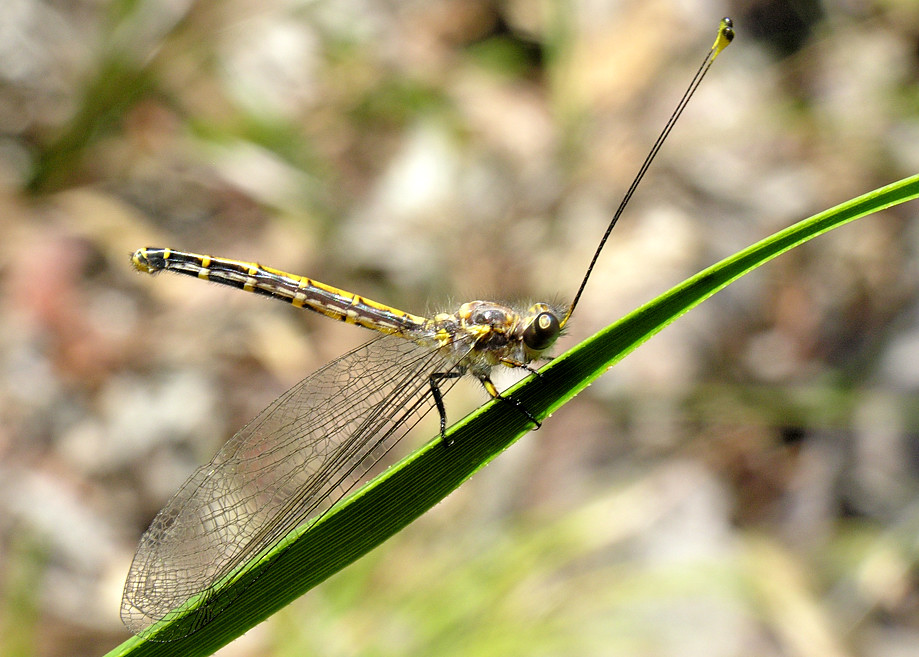
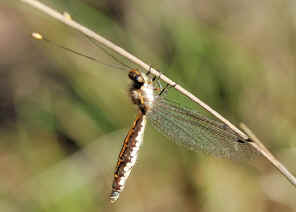
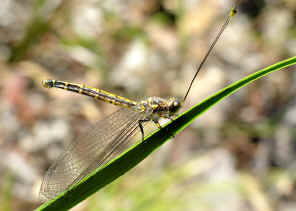
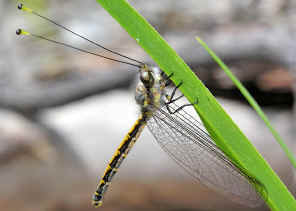
- The Owlfly has the long and clubbed antenna, otherwise
it looks like a dragonfly.
-
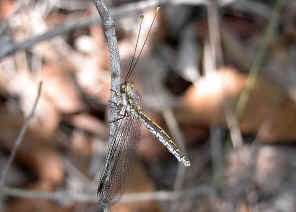 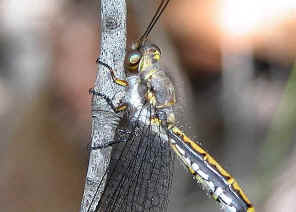
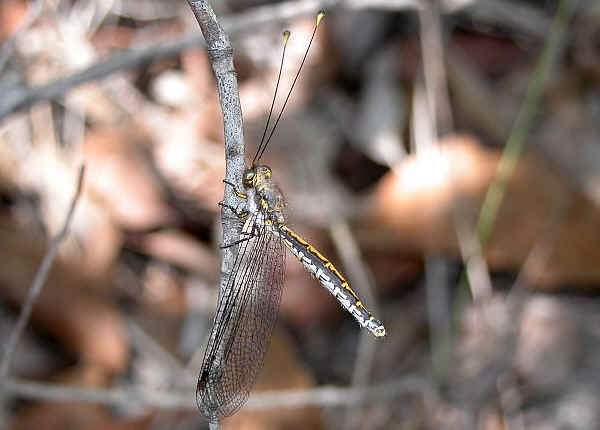
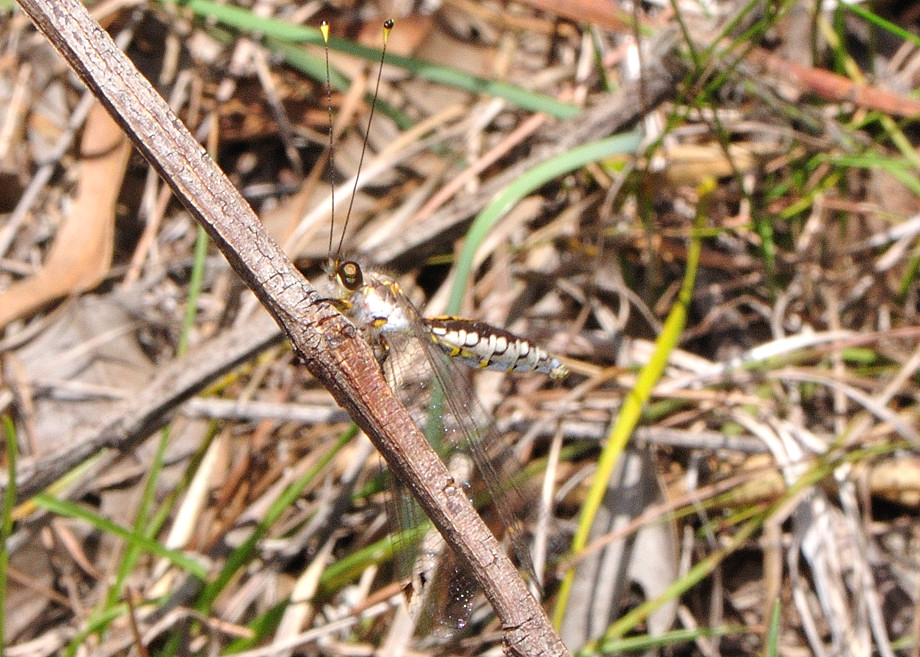
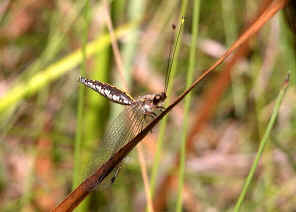 - Pictures taken in Karawatha Forest, early summer
-
- As a Lacewing, the Owl flies relatively
fast-flying insects, however, they are not as a good flier as the dragonfly.
They rest on stems most of the time. They fly only when disturbed. They fly in
short distance.
-
-
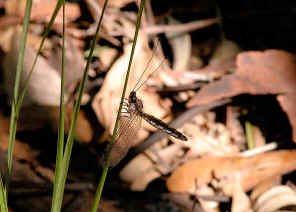
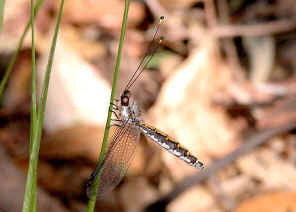
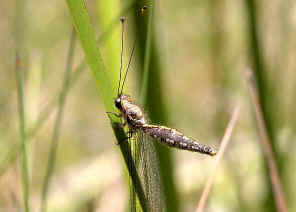
- Mt Cotton, mid-summer
-
-
-
-
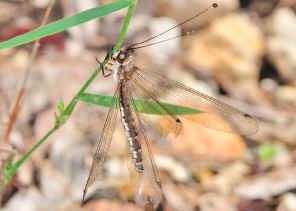
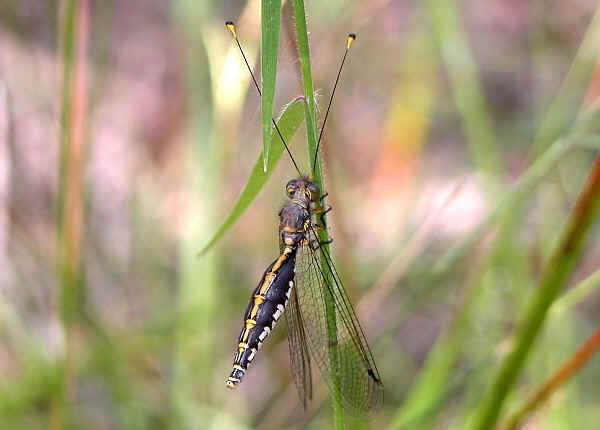
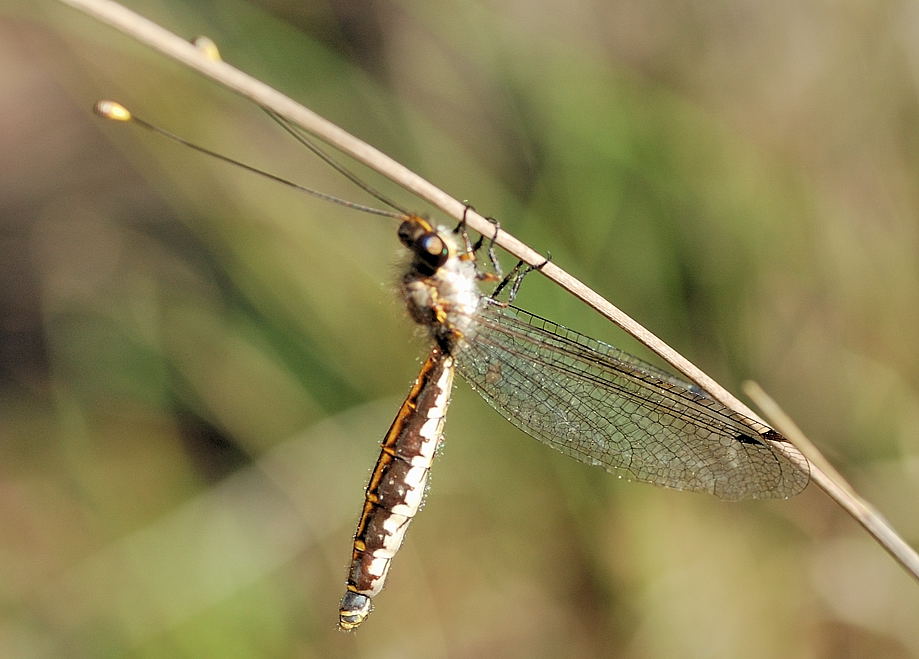
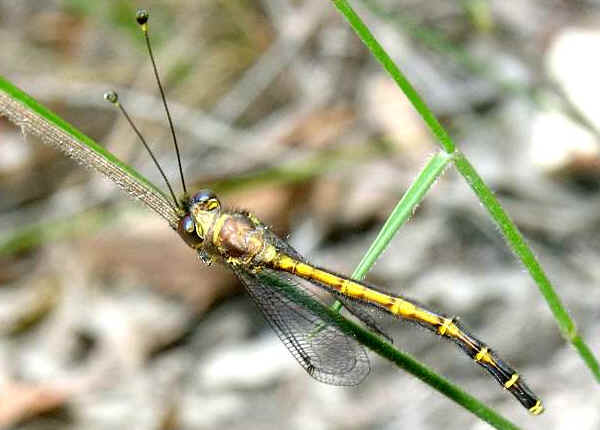
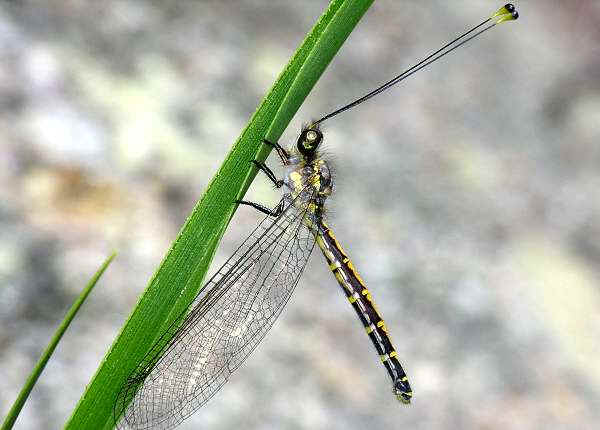
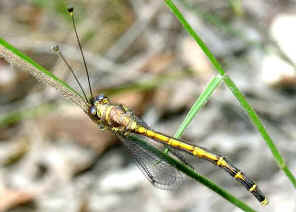
Male
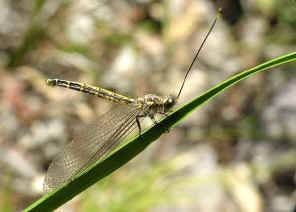
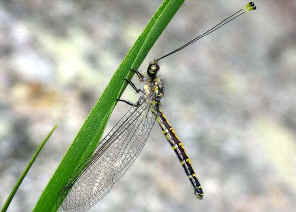
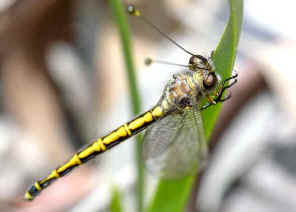
- Males look similar to the females with slender and longer abdomen.
-
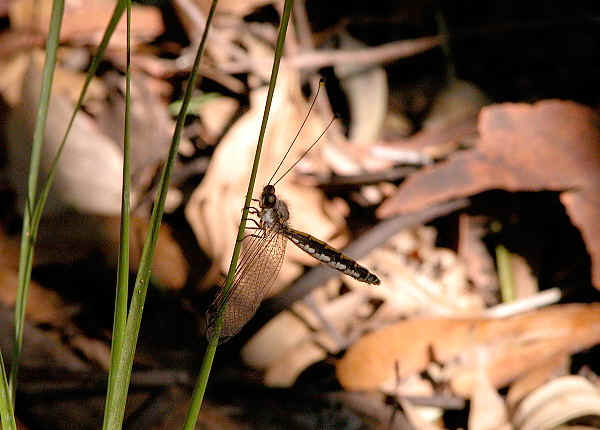
- Those Owlflies were usually found late
afternoon in Karawatha Forest during early summer. It flied away only when we came too closely.
-
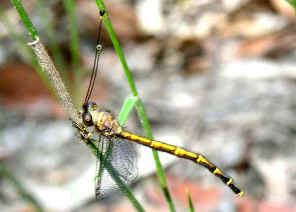
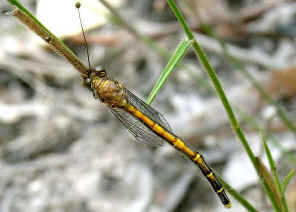 - Body
length 45mm, found
in Karawatha Forest
-
- It
seems that they are active near late afternoon to evening, likes to rest on grass
stems.
-
 -
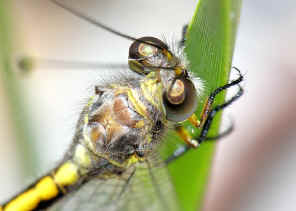 -
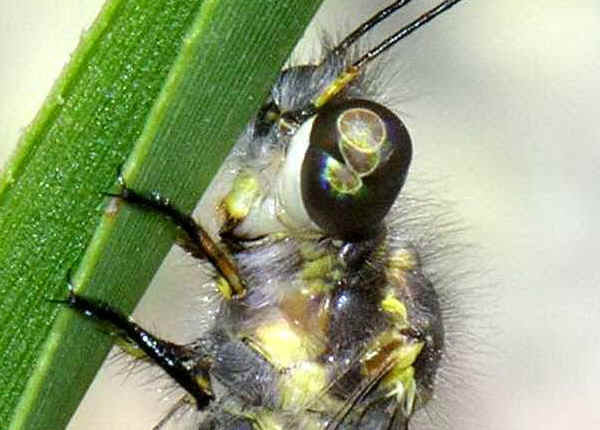
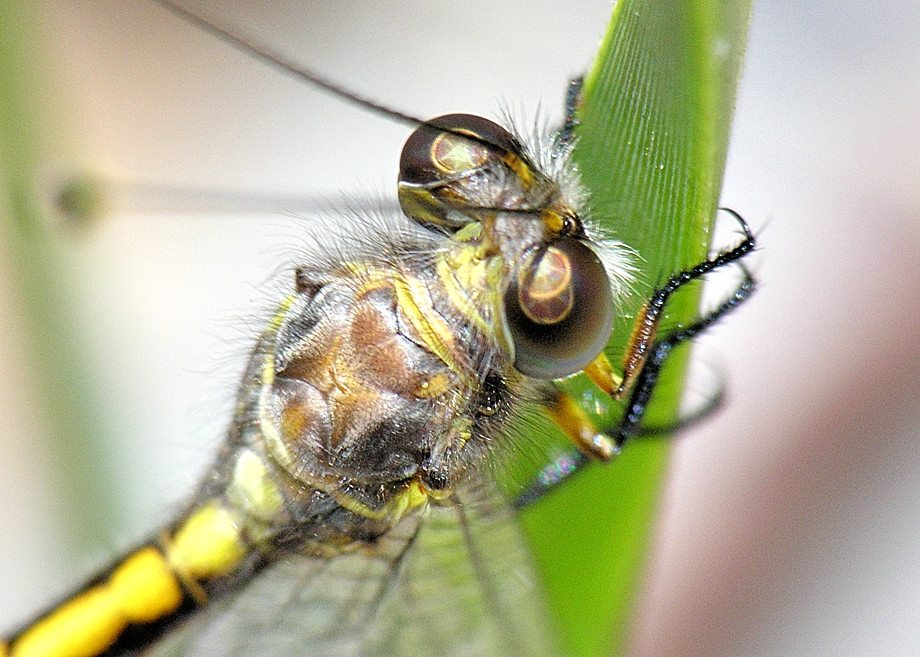
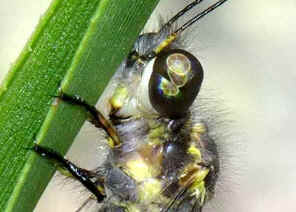
- Notice
the eyes divided horizontally.
-
-
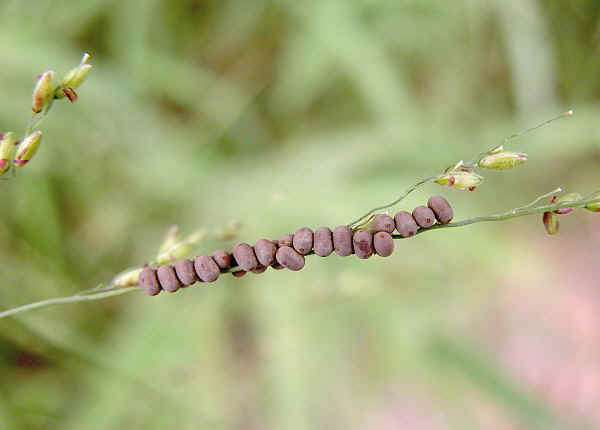
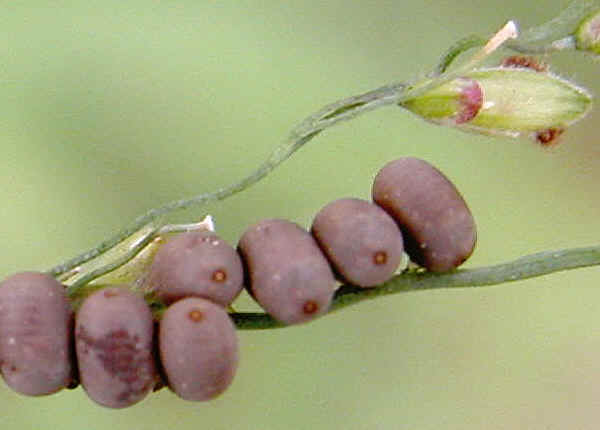
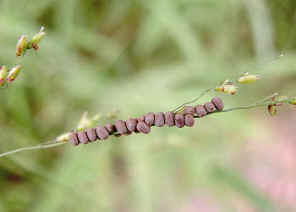 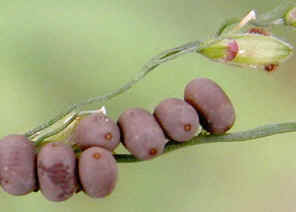 - Eggs,
2mm x 3mm
-
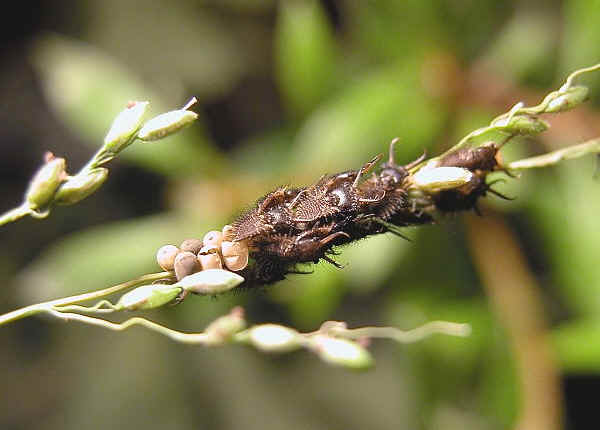
- In mid-summer we found a cluster of eggs on grass seed stem.
There were more than 30 eggs encircling the stem. We took them home and waited
to see what would come out.
-
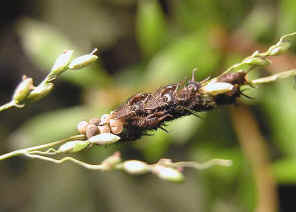
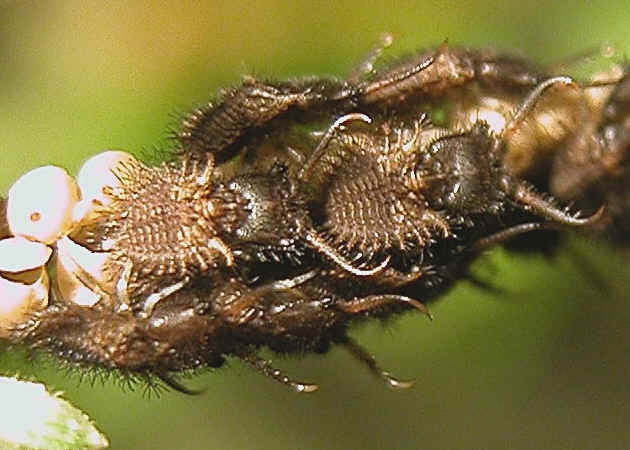
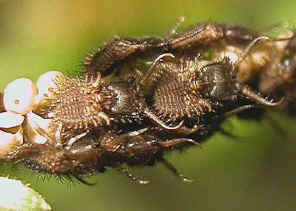 - Larvae
body length 4mm
-
- A few days later, an Owlfly larva came out from each eggs.
They stayed together on the empty egg shells motionless for one or two days.
Then that started to move around. We put them back to where we found them. The
Owlfly larvae are predators live in plant litter or on trees.
-
- Reference:
- 1. Insects
of Australia, CSIRO, Division of Entomology, Melbourne University
Press, 2nd Edition 1991, pp 541.
- 2. Revision
of the Australian Ascalaphidae (Insecta: Neuroptera) - New, T.R.
(1984). Aust. J. Zool. Suppl. 100: 1-86.
-
[ Up ] [ Australian Common Owl-fly ] [ Yellow Owl-fly ] [ Lyriform Owl-fly ] [ Black Owl-fly ] [ Cloudy-wings Owl-fly ]
| |
|